Add Row
Add Element
cropper
update

[Company Name]

update
Add Element
  • Home
  • Subscribe
  • Contact Us
  • Categories
    • Authority & Positioning
    • Reputation
    • Lead Generation
    • Visibility & Discovery
    • Content & Media
    • Funnels & Conversion
    • Brand Voice
  • All Posts
  • Authority & Positioning
  • Reputation
  • Lead Generation
  • Visibility & Discovery
  • Content & Media
  • Funnels & Conversion
  • Brand Voice
December 19.2025
1 Minute Read

Why Price Objections Are Usually Authority Problems

Roofing price objections often feel personal, but they usually stem from a deeper issue: authority and trust. Recognizing this critical difference transforms your sales approach, empowering you to connect better, shift difficult conversations, and close more deals. In modern roofing sales, understanding this principle is the key to overcoming relentless price competition, earning higher-quality leads, and building a resilient brand. Let’s reveal the real source of price pushback and refocus your roofing business for long-term success.

Introduction: The Hidden Truth Behind Roofing Price Objections

  • Roofing price objections are deeper than dollars—a matter of authority and trust.
  • Roofing contractors face a unique set of frustrations: constant price competition driving down profits, low-quality leads that waste time, a dependency on platforms like HomeAdvisor or Angi, and the complexity of SEO that rarely seems to deliver. These challenges eat away at your confidence and your margins.

Candid roofing contractor standing near a suburban house with roofing tools and notes, emphasizing authority - roofing price objections
  • What’s at stake: When prospects object to your price, it’s not always because they can’t afford it. More often, it’s because they don’t trust or recognize you as the expert who can deliver a successful roofing sale without regret. Authority isn’t just about technical skills – it’s about building the trust buyers need to say yes to your terms and your prices.

What You’ll Learn About Roofing Price Objections and Authority

  • Why authority is the real culprit behind most roofing price objections, not just the price tag itself.
  • How to flip price pushback into genuine opportunity by establishing reputation and proof at every step.
  • Concrete, actionable strategies to elevate your roofing sales process and close more deals with confidence.

Common Roofing Price Objections: More Than Meets the Eye

  • “That’s higher than another quote I got.”
  • “Can you give me a discount or a free upgrade?”
  • “That seems expensive for a roof replacement.”
  • “My insurance company says it should cost less.”
  • “Other roofing companies say they’ll install for less.”

Diverse homeowners reviewing roofing quotes with contractor, highlighting common objections - roofing sales objection
  • The truth is, most roofing sales objections aren’t about the price itself—they’re about uncertainty, fear of a bad decision, and the emotional risk of trusting the wrong roofing contractor. The common objections you hear daily from potential clients are often just ways for homeowners to test your authority or try to regain control in a high-stakes purchase.
“People don’t buy the cheapest roof—they buy the roofer they believe can solve their problem without regret.”

Sales Tip: Recognizing the Authority Gap in Roofing Sales

  • What is an authority gap? It’s the hidden disconnect between your expertise and how homeowners perceive your ability to solve their problem. If prospects question your price, chances are you haven’t yet earned their trust as the leading expert—or you haven’t shown enough proof to justify your proposal.
  • Signs that your authority needs a boost: Requests for discounts, constant comparisons to competitors, or hesitance to sign after your roofing sale presentation. These symptoms signal a lack of visible credibility or a gap in your brand story. Roofing contractors who focus only on closing without first closing the authority gap will face more objections and lower margins.
  • Consider industry leaders who close more deals: They showcase past project portfolios, share testimonials, and transparently display their process—transforming sales objections into opportunities by reinforcing proof and trust at every step.

Confident roofing contractor sharing portfolio with homeowner, building trust and authority - roofing sales

How Roofing Contractors Can Build Authority and Reduce Price Objections

  • Step-by-step strategies to bridge the authority gap:
    • Request and publish detailed testimonials.
    • Develop comprehensive case studies that showcase how you solved unique roofing challenges.
    • Encourage clients to leave online reviews (Google, BBB, neighborhood platforms).
  • Content-driven authority: Consistently share before-and-after project features, educational blog posts, and FAQ videos. Visibility of your process and results builds trust long before the price conversation even starts.
  • Leverage your brand and story: Authenticity matters. Be transparent about your approach, warranties, and guarantees—real authority is built on honesty and documented success.
“Own your proof, or be owned by the lie that price decides everything.” — Valis Pro

Satisfied homeowners leaving online reviews from their homes, boosting authority - roofing contractor authority

Top Roofing Sales Tips: Handling Price Objections with Proof

  • Shift the conversation from dollars to value. Present real before-and-after photos, testimonials, and quantifiable outcomes from comparable roofing projects. When you demonstrate superior results and customer satisfaction, sales objection pressure drops.
  • The industry’s best roofing contractors rarely race to the bottom on price. Instead, they build trust, present their proof, and offer a reputation homeowners want to join—closing more deals at strong margins.
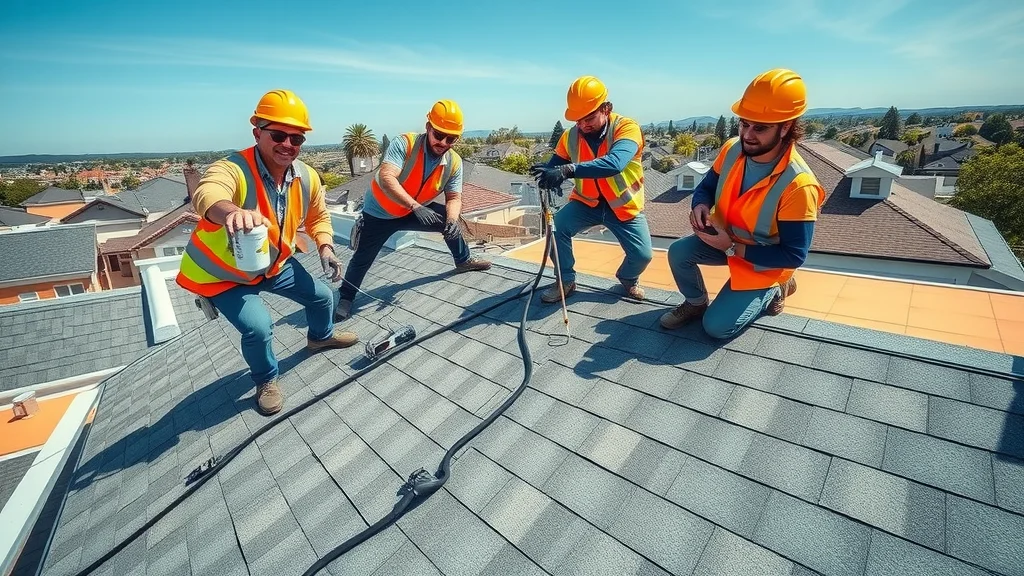
Dynamic roofing team installing shingles, demonstrating expertise and teamwork - roofing sales tip

The Psychology Behind Roofing Price Objections

  • When homeowners challenge your price, they’re often expressing doubt, not just about your figures, but about decision regret. The emotional risk in a significant roof replacement or repair purchase makes prospects cautious. They wonder, “Will this roofer deliver? Am I paying for quality, or am I just paying more?”
  • Building authority reduces perceived risk. Roofing sales thrive when you alleviate emotional objections—through trust, proof, and visible expertise. Demonstrate why you’re the business owner willing to stand behind your work and your word.

From Lead to Loyal Customer: The Role of Authority in Every Roofing Sale

  • The ideal roofing sales process transforms a cold lead into a loyal advocate. This starts with content that educates, case studies that educate, and a consistently visible brand. When you own your expertise, leads recognize your value before they meet you—and price objections diminish.
  • A content-driven reputation pipeline powers ongoing trust. From project blogs and social posts to community involvement, these touchpoints help close more deals and generate referral-driven business without the grind of low-quality leads or repeated pricing wars.

Satisfied customer shaking hands with roofing contractor after project completion, showing trust and authority

Table: Comparing Price Objection Responses for Roofing Contractors

Response Type Authority Level Trust Outcome Close Rate (Sample Data)
Scripted Discount Low Weak Low
Showcase of Proof High Strong High
Referral-Driven Highest Very Strong Highest

Real-World Example: Overcoming Roofing Price Objections with Authority

  • Success story: One mid-sized roofing contractor struggled to compete with low-bid competitors and constantly faced pressure to discount. Instead of chasing the bottom, they doubled down on authority—showcasing dozens of case studies, publishing customer testimonials, and providing an online “proof portfolio.”
  • The breakthrough sales tip: At every sales presentation, instead of debating price, they shared video testimonials and walked prospects through step-by-step projects similar to their own. The result? More trust, fewer price objections, a higher close rate, and a dramatic rise in high-margin sales.

Professional roofing contractor with portfolio binder standing by happy client outside finished home, showing authority

List: Authority-Building Actions for Roofing Contractors

  • Get and publish client reviews on Google, BBB, neighborhood platforms, and industry-specific review sites.
  • Develop and share in-depth, visually rich before-and-after project content across your website and social media.
  • Educate clients consistently with well-written blog posts, project walkthroughs, and proactive social proof updates.
  • Engage in local community events and form partnerships with trusted businesses to amplify your visibility and credibility.
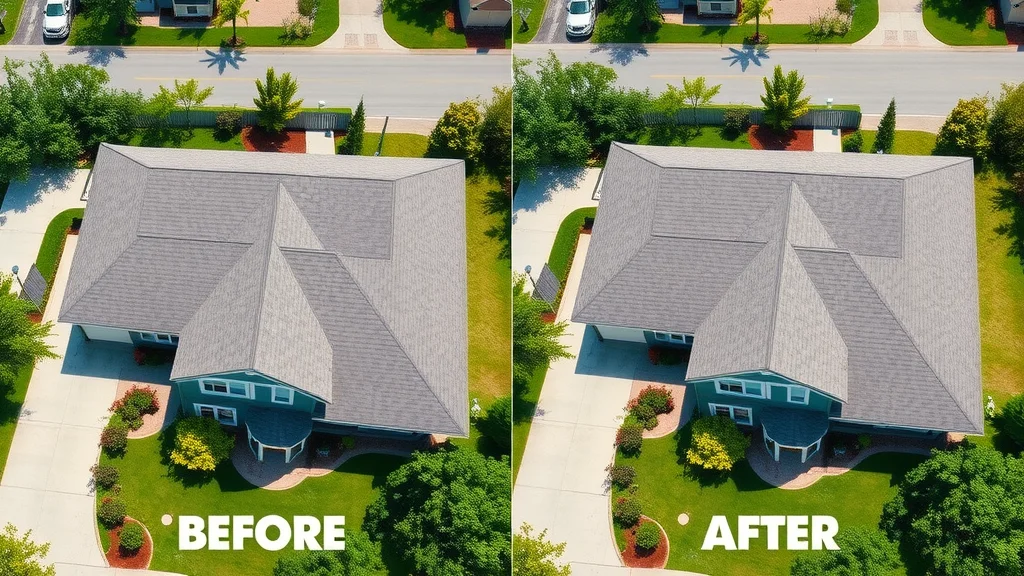
Roofing timeline before and after: side-by-side aerial shots showing transformation, proving authority - roofing contractor
  • This engaging video breaks down the difference between an authority-driven and a price-driven roofing sale. Watch real contractor interactions, digital review highlights, and the winning proof points that convert prospects into customers—no text overlays, just clear, trustworthy messaging.

Can You Negotiate Prices with Roofers? (People Also Ask)

Answer: Roofing price objections often result in negotiable scenarios, but contractors with higher authority rarely have to discount or cave to pressure. Instead, they use proof and trust to justify and hold their pricing.

How to Tell if a Roofer Is Lying? (People Also Ask)

Answer: Authority-driven roofing contractors welcome transparency with clients, letting their reputation, clear documentation, and strong referrals do the talking. Low-authority or ‘fly-by-night’ contractors avoid scrutiny and lack visible proof.

What Is the Best Way to Handle a Price Objection? (People Also Ask)

Answer: The best approach is to focus on your authority—demonstrate expertise, show project success stories, and present clear case studies. This reduces doubts about pricing and reframes the objection into a conversation about value.

Can You Negotiate the Cost of a New Roof? (People Also Ask)

Answer: Experienced roofing contractors with authority and reputation typically have less room—and need—for negotiation. They win deals based on proven results, not discounts.

  • See how real reviews and homeowner testimonials build unbeatable trust. Watch examples of how authority through genuine client feedback leads to fewer pricing disputes, higher close rates, and stronger long-term referrals.

FAQ: Roofing Price Objections and Authority Challenges

  • What does it mean to 'own your proof' as a roofing contractor?
    Owning your proof means having visible, verifiable evidence—such as reviews, before-and-after photos, case studies, and documented project success—that demonstrates your claims are real and repeatable. This proof reassures prospects and eliminates doubt.
  • Will SEO alone stop price objections in roofing sales?
    SEO can help you get found, but only authority—built through trust signals and proof—consistently wins premium clients and closes more deals at your preferred rates.
  • How do content and reviews impact authority in the roofing industry?
    Content and reviews serve as your online reputation anchors. The more visible and compelling your proof, the more resistance to sales objections decreases. Homeowners trust what they can see, verify, and relate to.
  • When should you walk away from a homeowner with price objections?
    If the objections persist after you’ve shown abundant proof, demonstrated value, and engaged in an honest sales process, it may be wise to walk away and invest in clients who respect your expertise and pricing.

Key Takeaways: Roofing Price Objections Reveal Your Authority

  • Price objections are almost always a gap in authority—not just a true pricing issue.
  • Roofing contractors can reduce common objections, close more deals, and strengthen their brand by investing in reputation, reviews, and educational content.
  • The most successful roofing sales teams win because they’re the most trusted, not the most discounted.

Action Steps: Start Closing Roofing Price Objections with Authority Today

  • Ready to take control of your leads, reputation, and profits? Discover how Valis Pro empowers roofing contractors to close more deals by owning their proof and eliminating price objections. Let’s build your authority together.

To further enhance your understanding of handling roofing price objections, consider exploring the following resources:

  • “Measuring Up: Your Price Is Too High” (roofingcontractor.com) delves into common pricing objections in the roofing industry and offers strategies to address them effectively.

  • “How to Handle ‘Your Price is Too High’ in Roofing Sales” (roofie-blog.ghost.io) provides practical advice on managing price objections without compromising your pricing structure.

These articles offer valuable insights and actionable strategies to help you navigate and overcome pricing challenges in roofing sales.

Authority & Positioning

0 Views

0 Comments

Write A Comment

*
*
Related Posts All Posts
12.19.2025

How Authority Increases the Value of a Roofing Business

Growing a roofing business isn’t just about jobs—it’s about earning respect and authority. When you build authority, your roofing business valuation skyrockets, opening doors to new opportunities and profits. Discover how establishing your reputation can transform your business’s true worth and future success. Unlocking Roofing Business Valuation Through Authority: The New Competitive Edge Roofing company owners often find themselves caught in a relentless battle over pricing, racing to the bottom while chasing low-quality leads. But what if the secret to maximizing your roofing business valuation isn’t more discounted jobs—but building unshakable authority? Today’s market doesn’t reward the cheapest; it rewards roofing companies with a commanding reputation, visible expertise, and undeniable social proof. Authority elevates your business above the noise, making you the go-to choice for high-value clients—and that shift is reflected directly in your valuation multiple and the final sale price. For business owners serious about growing, understanding this new edge is essential. Authority reduces your dependency on lead-generation platforms like Angi or HomeAdvisor, frees you from SEO confusion, and positions you for stronger negotiation leverage. In the words of the Valis Pro doctrine: “Own your proof, or be owned by the lie that price decides everything.” The roofing industry is evolving, and those who recognize the power of authority will leave their price-focused rivals behind, controlling their market fate and unlocking the real value of their roofing business. Why Authority is the Key Driver in Roofing Business Valuation How authority impacts roofing business valuation Price competition vs. reputation in the roofing company marketplace The Valis Pro doctrine: “Own your proof, or be owned by the lie that price decides everything” Authority is the cornerstone of premium roofing business valuation. It’s what separates leaders from the pack in a crowded roofing marketplace. The reason: buyers and investors crave certainty, not just profit margins—they want resilient reputation, trusted brand identity, and strong future pipelines. When you have public recognition, reviews, awards, and content that validate your expertise, you transcend price wars. Reputation becomes your greatest asset, and your company’s perceived risk drops—which instantly translates into higher valuation multiples and faster, easier sales. In the world of buying and selling roofing businesses, authority is the new leverage. Compare this with relying on low-ball bids, third-party lead platforms, and transactional relationships. Price competition is a trap that devalues your business and undermines your negotiating position with potential buyers. Remember, the market will only pay a premium for a roofing company whose excellence is proven, visible, and defensible—authority is the proof. What You’ll Learn: Mastering Roofing Business Valuation by Building Authority How roofing business valuation changes with strong authority Why relying on Angi/HomeAdvisor leads undermines your business Steps to build leverage and increase valuation multiples How credibility attracts top-tier clients and better business relationships This guide is designed for roofing company owners who are ready to ditch price-based competition and build a lasting, premium brand. You’ll walk away understanding why traditional lead sources drag down your potential, and exactly which authority signals move the needle in buyer psychology. Learn actionable strategies for gathering reviews, winning awards, and crafting thought-leadership—all fueling better valuation multiples and a market-leading reputation. Whether you’re aiming to sell your roofing business soon or want to build enduring enterprise value, these essentials will help you attract the kind of steady, high-quality clients that support profitable growth and long-term ROI. By implementing these principles, you put yourself in the driver’s seat for negotiation and exit success. The Fundamentals of Roofing Business Valuation: What Every Business Owner Must Know Understanding the mechanics behind roofing business valuation gives you the upper hand when planning your company’s growth, preparing for sale, or negotiating with investors. Contrary to popular belief, business value is about far more than revenue—it’s about how sustainable, reliable, and credible those dollars are. This section lays out the core methods used by business brokers, what really drives multiples, and how your reputation factors in. The key: Know your numbers, track both hard and soft assets, and recognize that intangibles like business owner reputation and recurring revenue streams are more valuable than ever. In an industry where uncertainty can kill deals, authority is the antidote that increases certainty and attracts potential buyers. Core Methods Used in Roofing Business Valuation Market approach vs. income approach Earnings, cash flow, and EBITDA multiple explained for a roofing company The impact of business owner reputation on valuation multiples Valuing a roofing business typically draws on two major approaches: the market approach and the income approach. The market approach uses recent sales of comparable roofing companies to estimate what your business might fetch, but the devil is in the details—authority factors, regional reputation, and documented proof can all justify a higher valuation multiple. The income approach focuses on current and projected revenue, often using EBITDA (Earnings Before Interest, Taxes, Depreciation, and Amortization) and owner’s discretionary earnings as benchmarks. For roofing companies, cash flow stability, recurring revenue, and documented reviews all increase the multiplier effect. The wildcard? Reputation. Today, business owner visibility and proof of expertise heavily influence the multiples buyers and private equity firms are willing to consider. A well-known, trusted name commands higher offers because it signals less risk and immediate pipeline access. Without it, the “market” can punish you with low offers, regardless of your numbers. Debunking Myths: Is a Roofing Business Worth 3 Times Profit? “Valuation multiples are not set in stone—they hinge on trust, track record, and perceived expertise.” A common myth in the roofing industry is that a business is simply “worth three times profit.” While this can serve as a baseline for naïve buyers, it often overlooks authority-driven premiums. If your roofing business is built entirely on one-off jobs or “borrowed” leads (from Angi or HomeAdvisor, for example), expect pushback and lower multiples. But with a proof-rich reputation—lots of testimonials, branded trucks, press features, and top-tier SEO—buyers will stretch above market averages, seeking the leverage your brand provides. The takeaway: Don’t accept a one-size-fits-all price. Mold your valuation multiple by investing in brand and authority, not just revenue growth. Control your narrative and prove your value—you’ll shake off the “price is everything” myth for good. How Authority Drives Roofing Business Valuation Multiples It’s impossible to overstate: Authority is the number one driver of premium multiples and rapid sales in the modern roofing industry. Credibility, public recognition, and client trust are the intangible assets that turn your revenue into an irresistible offer for buyers. This section unpacks how authority elevates your company’s worth and why top-tier clients are magnetized to trusted brands. When buyers see a roofing company with positive reviews, third-party awards, and meaningful public visibility, they instantly project future success—and are more willing to pay for that certainty. It’s not just about the past: it's about the compelling promise your brand holds in the local market. Expert Insight: How Reviews and Referrals Shape Roofing Company Valuation The psychology of buyers: Why homeowners trust authoritative roofing companies Leveraging testimonials and online reputation for a higher valuation multiple Reviews and referrals aren’t just marketing—it’s powerful proof that buyers and lenders use as shortcuts for trust. For a roofing business owner, stacking up quality testimonials, case studies, and referrals increases your value far more than chasing another batch of Angi leads. Buyers know that local reputation and social proof lead to recurring revenue, better margins, and smoother handoffs. Tested authority means you’re less reliant on lead platforms and less likely to lose momentum after a sale—both key factors that drive up valuation multiples. Build your online reputation consistently with real client feedback, visible work quality, and third-party recognition, and you’ll have a compelling case for a higher offer during due diligence. How Authority Affects Successful Sale and Negotiation for Roofing Businesses In every negotiation, authority is the silent dealmaker. When you enter talks with a pipeline of happy clients, visible accolades, and expert status, you’re not pleading for a fair price—you’re setting the market standard. Business brokers and experienced buyers look for more than numbers. They want confirmation that your company will keep winning after you leave. A reputation for excellence gives you stronger leverage to dictate terms, avoid price gouging, and close faster. It also minimizes the invasive due diligence that can slow down or derail a successful sale. The conclusion: put authority front and center in your presentation and negotiation strategy for any potential buyer, and watch your results improve. Case Examples: Roofing Businesses That Sold Above Market Value Authority Features vs. Roofing Business Valuation Multiples Authority Factor Increased Leads Higher Valuation Multiple Faster Sale Public Recognition Yes Yes Yes Third-Party Awards Yes Yes Yes Online Visibility Yes Yes Yes Client References Yes Yes Yes In recent years, roofing businesses with strong authority—those featured in local news, owners posting video testimonials, and large portfolios of positive reviews—have consistently sold above standard market multiples. These authority signals create a sense of urgency among buyers, reduce perceived risk, and support a higher ceiling for offers. The lesson: Control your narrative and proof, and you control your ultimate exit. Diagnosing Where Your Roofing Business Valuation Stands Today If you’re stuck competing on price, struggling with junk leads, or watching competitors pull ahead, it’s time to diagnose your current roofing business valuation health. Weaknesses in SEO, lead quality, or online reputation can quietly sap your business’s value—even if your jobs are top-notch. Take a hard look at where your business stands: Are you dependent on platforms you can’t control? Are reviews sparse or mixed? Are you doing enough, as a business owner, to own your market proof? Identifying these gaps is the first step toward boosting your authority, earning better clients, and ultimately driving your valuation multiple higher. Spotting Weaknesses: Are SEO Confusion and Lead Quality Dragging Down Your Roofing Business Valuation? Recognizing dependency on low-quality leads Overcoming review and reputation gaps for your roofing business Aligning business owner actions with higher valuation multiples Too many roofing companies build their growth strategy around low-quality, borrowed leads. If your client list is dominated by Angi, HomeAdvisor, or dubious SEO results, your business is exposed to sudden drops in lead flow and diminishing returns. Smart business owners recognize the risk and shift their focus toward building review pipelines, securing local PR, and developing their voice as subject-matter experts. Reputation gaps are another silent killer. If your business is light on positive testimonials, or you haven’t won any industry recognition, buyers will discount your business’s future viability—slashing your valuation multiple. Start by aligning your daily actions with authority-building: Seek out reviews after every job, build partnerships with reputable suppliers, and invest time in educational content. Business Valuation Methods Explained: What Every Roofing Company Owner Needs to Know Before you can maximize your roofing business valuation, get familiar with the valuation methods professionals use. Prospective buyers and brokers are fluent in these approaches—make sure you are too. Understanding EBITDA multiple, discretionary earnings, and the importance of recurring revenue is fundamental to building and communicating true value. Ultimately, a well-documented, recurring revenue stream tied to visible expertise is the gold standard. The more reliable your earnings and the stronger your public proof, the higher the valuation multiples you can command when it’s time to sell your roofing business. EBITDA Multiple, Discretionary Earnings, and Why Recurring Revenue is Critical “The gold standard in roofing business valuation is consistent, recurring revenue tied to documented expertise.” EBITDA (Earnings Before Interest, Taxes, Depreciation, and Amortization) is the metric of choice for most business brokers and private equity buyers. But for roofing companies, simply hitting an EBITDA target isn’t enough—recurring revenue and owner’s discretionary earnings matter even more. Why? Because recurring revenue denotes stability and predictability, reducing buyer risk and commanding higher multiples. If your roofing business shows a proven ability to generate repeat business—via service agreements, annual inspections, or loyal client pipelines—your valuation multiple can exceed market averages. Make sure your books clearly reflect these revenue streams and that you have proof (contracts, testimonials, case studies) ready for due diligence. Working With Business Brokers: Maximizing Your Roofing Business Valuation How seasoned business brokers approach selling a roofing business Why roofing business authority is the first thing buyers verify Securing a successful sale by building a pipeline of high-quality clients Choosing the right business broker can make or break your exit. Pros look beyond the surface—they scrutinize your brand authority, client mix, and track record. Their first step: verifying that your roofing company can attract and retain top-tier clients without the owner’s constant hustle or dependence on third-party lead sources. Start building this authority years, not months, before you plan to sell. Focus on cleaning up your online reputation, systematizing follow-up for reviews, and documenting all accolades and community involvement. When you engage with business brokers, show that your company is a well-oiled, market-leading machine—and buyers will line up for a successful sale. Action Steps: Authority-Building for Higher Roofing Business Valuation Strategies for business owners to own their market proof Generating reviews, awards, and content as valuation drivers Crafting thought-leadership assets for roofing companies Engaging with local media and trade associations To rapidly grow your roofing business’s authority (and its valuation), take decisive action. Systematize reviews: build a repeatable process for gathering and showcasing customer feedback after every successful job. Pursue awards: enter regional contests, seek memberships in reputable trade groups, and proudly display any accolades. Don’t overlook the power of content—record regular jobsite updates, create before-and-after galleries, and publish homeowner guides on local roofing best practices. Establish yourself as a trusted source in the industry. Speak at events, respond to local press inquiries, and partner with nonprofit initiatives. Authoritative companies are always at the center of the conversation—and when it’s time to negotiate a sale, this visibility becomes your most valuable asset. Watch our expert video interview with a leading business broker to hear firsthand how authority impacts roofing business valuation, and learn what top buyers look for in market-leading roofing companies. Expert video interview with a business broker discussing roofing business authority, set in a modern office with branding elements. Understanding Your Next Move: When to Sell Your Roofing Business for Maximum Value Timing the market for a roofing business sale Signs your business is ready for exit Steps for a seamless transition and successful sale When is the right time to sell your roofing business? The answer is when your authority, reputation, and recurring revenue are at their peak. Savvy business owners plan their exit around growth milestones—like winning major contracts, expanding market share, or locking down industry awards. If your online presence is robust, your sales pipeline is full, and you’ve moved beyond price-based competition, you’re positioned for a premium exit. Create a smooth transition by documenting key processes, retaining critical staff, and ensuring continuity for clients. Start planning early, work with a trusted business broker, and use your authority as the leverage point in negotiations. That’s how you maximize your valuation and achieve a winning, hassle-free sale. People Also Ask: Roofing Business Valuation FAQs How do you value a roofing business? Assess EBITDA, cash flow, recurring revenue, authority, and market position Use industry valuation multiples and adjust for proven authority factors To value a roofing business, evaluate the company’s EBITDA, cash flow, consistent recurring revenue, and overall authority presence—including reviews, awards, and brand strength. Industry valuation multiples provide a starting point, but knowledgeable business brokers will fine-tune the price to reflect reputational proof, owner independence, and the stability of your client pipeline. How much is a business worth with $100,000 in sales? Business worth depends on profit, client base, authority, and proof—not just sales A business with $100,000 in sales isn’t valued solely on the top-line number. Buyers want to know about your profit margins, client diversity, recurring revenue, and, critically, the authority your company commands in its market. If you have strong brand proof and client loyalty, you can command a higher multiple—even at modest revenue levels. Is a business worth 3 times profit? Three times profit is a common starting point, but true value reflects market leadership and perceived expertise While three times profit is a frequent baseline in many industries, it’s not a fixed rule for roofing company sales. Market conditions, buyer psychology, and (most importantly) your authority signals all influence whether you land above or below that mark. Businesses with visible proof and high trust from clients reliably outpace this “rule of thumb.” Can roofers make 100k a year? Yes, with effective authority, niche focus, and quality lead generation, roofing business owners often surpass six figures Yes, many roofing business owners exceed $100,000 per year, especially when they focus on niche markets, adopt authority-building techniques, and drive consistent, high-quality lead generation. The real difference-maker? Authority-driven premium work, not race-to-the-bottom price competition. Watch this bonus video for practical steps and insider advice on securing high-quality clients and steady referrals by leveraging your roofing company’s authority and online reputation. Frequently Asked Questions About Roofing Business Valuation What are valuation multiples for roofing companies? How do business brokers assess roofing company value? Can I sell my roofing business if I rely mostly on HomeAdvisor leads? Valuation multiples for roofing companies typically range based on documentation, reputation, and recurring revenue streams. Credible business brokers review both financials and intangibles—like authority, online proof, and process independence—before suggesting a selling price. If you currently rely on low-quality, third-party lead sources, start diversifying now and building authority; you’ll increase your value and attract more serious buyers. Key Takeaways: Authority’s Transformational Impact on Roofing Business Valuation Authority boosts roofing business valuation multiples Price competition erodes value; reputation and proof drive premium exits Actionable steps empower roofing company owners to shape their market fate Ready to Increase Your Roofing Business Valuation? Take the First Step Toward Long-Term Authority Contact Valis Pro for strategic consulting tailored to maximize your roofing business valuation and long-term growth Authority is your path to premium valuation, loyal clients, and long-term control. Own your proof, elevate your roofing business, and shape your own market destiny—starting now. Understanding the valuation of a roofing business is crucial for owners considering growth, succession planning, or sale. Valuation methods often involve applying multiples to financial metrics such as EBITDA (Earnings Before Interest, Taxes, Depreciation, and Amortization) or Seller’s Discretionary Earnings (SDE). For instance, smaller residential roofing businesses may sell for 2–3 times SDE, while larger companies with strong EBITDA can go for 4–6 times EBITDA. (hillsiderock.com) Several factors influence these multiples, including revenue trends, profit margins, market position, and customer base. Consistent revenue growth, higher profit margins, a strong market presence, and a loyal customer base can enhance a company’s valuation. (thomasbasch.com) The U.S. roofing market is experiencing significant growth, with projections indicating an increase from $23.3 billion in 2023 to $32.1 billion by 2028, driven by factors such as aging infrastructure and demand for energy-efficient materials. (hydeparkcapital.com) For a comprehensive understanding of roofing business valuation, including methods, influencing factors, and market trends, consider exploring the following resources: The Roofing Business Boom: How to Maximize Value When Selling How Much Do Roofing Companies Sell For? Expert Breakdown These articles provide valuable insights into the current market landscape and strategies to enhance your roofing business’s value.

12.19.2025

Why Most Roofing Marketing Can Be Copied — Authority Can’t

In a sea of similar roofing ads, real authority stands apart. It’s more than marketing noise — it’s a unique competitive moat that others can't replicate. Understanding how to build that lasting reputation can transform your roofing business into an unshakable leader. Let’s explore why. What You'll Learn About Creating a Roofing Competitive Moat Why roofing marketing is easy to copy, but a strong roofing competitive moat isn’t How authority in the roofing industry delivers lasting, high-value leads Steps to carve out a roofing competitive moat that can’t be replicated What leading roofing contractors do differently to become indispensable Introduction: Authority vs. Copycat Roofing Marketing in the Roofing Industry In a Sea of Lookalikes: Why Authority in the Roofing Industry Matters Roofing contractors across the United States face an overwhelming challenge: standing out in a market flooded with cookie-cutter marketing. Anyone can buy ads, stamp their name on a website, or chase after the latest SEO fad. That’s why search results and local listings often look identical, with promises of “best price” and “fastest service.” But real opportunity comes not from blending in, but from standing apart with authentic authority in the roofing industry. When clients seek residential and commercial roofing solutions, they’re bombarded with marketing claims. Yet, what truly sets industry leaders apart? It's not just a logo, or even pricing — it’s evidence: expert knowledge, proven project documentation, and a trusted business reputation. This is the essence of your roofing competitive moat. Authority is the asset that keeps selling, even when your business stops pushing. In a sector where “lead fatigue” and price wars are common frustrations, clients actively seek roofing professionals with superior expertise and reputation. Authority doesn’t just attract projects; it draws in the best clients, builds pricing power, and establishes a competitive advantage unshaken by the latest copycat marketing stunt. Whether you specialize in metal roofing for commercial upgrades, residential asphalt shingle repair, or full-scale roof replacement, authority is your strongest defense against being overlooked or underbid. In today’s market, you cannot afford to let your expertise get drowned in marketing noise. ROOFING COMPETITIVE MOAT Defined: Protecting Value Amid Market Noise What does it mean to possess a genuine roofing competitive moat? At its core, it's your business's power to defend premium pricing, consistent leads, and market share — regardless of how hard your competitors try to replicate your strategies. Unlike basic marketing that can be mimicked in days, authority-based positioning compounds and preserves your brand value over months and years. The moat is built from magnetic proof: real project documentation, skilled labor showcased transparently, and a foundation of trust that copycats can’t imitate. When a roofing contractor owns their proof and prioritizes education and transparency, they attract referrals and reviews organically. This doesn’t mean ignoring marketing tactics, but evolving beyond them — transforming them into proof-driven assets, not hollow slogans. “Own your proof, or be owned by the lie that price decides everything.” – Valis Pro Doctrine The Dangers of Copycat Roofing Marketing and Their Impact on Roofing Contractors Common Roofing Business Frustrations: Price Wars, SEO Confusion, & Lead Pain Contractors today are battered by a relentless tide of copycat marketers and lead-generation platforms. Many roofing contractors are frustrated with constant price wars, unclear SEO results, or leads from Angi/HomeAdvisor that rarely convert into profitable jobs. It's easy to feel like your roofing business is spinning its wheels — attracting disposable leads, facing reputation risks from one bad review, and regularly being undercut by unproven competitors offering “discount” pricing. The roofing market has become notorious for these challenges, resulting in wasted time, lost trust, and countless missed premium projects. Why? Because most companies chase quantity of exposure over quality of evidence. Angi/HomeAdvisor overcrowding: These platforms commoditize leads, placing local leaders side-by-side with one-crew startups. Authority becomes invisible, price becomes the focus, and differentiation evaporates. Disposable leads and the reputation risk: When every job is a race to the bottom, you attract less loyal clients — the ones more likely to leave damaging reviews when unrealistic expectations aren’t met. Building a moat means attracting relationships, not just chasing transactions. The solution? Roofers with documented expertise, transparent project galleries, and a trail of genuine reviews push past this cycle. They control their lead pipeline—not the platforms or copycat marketers. Why Shortcuts Undermine a Roofing Competitive Moat The lure of shortcuts in roofing marketing is strong: pre-made websites, keyword-stuffed pages, or aggressive pay-per-lead tactics. But these “solutions” offer no lasting moat, only temporary attention. Cheap SEO tricks may offer a bump in traffic, but soon competitors crowd in, using the exact same strategies. When everyone is mimicking the same tactics, the true differentiators are proof, reputation, and authority. Contractors who consistently invest in their expertise, client reviews, and transparent project displays create insulation from price shoppers and fleeting online trends. Their roofing competitive moat is built deep and wide — impossible to cross with quick fixes. “In roofing, imitation may get you leads, but only authority gets you respect — and the best projects.” What Makes a Roofing Competitive Moat: The Keys to Uncopyable Positioning Case Studies: How Roofing Contractors Built Their Metal Roof and Metal Roofing Moats Consider two local roofing contractors: One relies entirely on mass advertising, the other compiles an online library of well-documented metal roof installations — before/after galleries, video walkthroughs, client stories, and reviews pinned to every completed job. The first contractor gets leads, but many price-shop or disappear. The second grows a book of business where referrals, repeat commercial clients, and large residential construction projects dominate. Their moat deepens every year. In the metal roofing segment, especially, contractors who educate property owners about product benefits, energy efficiency, and longevity become the go-to experts — earning greater market share and premium pricing. Successful roofing businesses invest in more than marketing: They embed proof of skill in everything they share. Reviews, project videos, and positive news coverage compound over time. Eventually, their expertise is searched for by name — not by keyword. The payoff? Higher-value jobs, consistent pipeline, and insulation from down-market trends. In the roofing industry, this level of reputation attracts both residential and commercial projects, especially in booming United States markets where credibility trumps cost cutting. Industry Report Insights: The United States Roofing Market in 2024 Industry reports consistently show a shift toward authority-driven marketing in the United States roofing market. As residential construction surges and extreme weather events increase demand for roof replacement, contractors with visible, credible reputations are winning more business than ever. The data reflects that “generalist” roofers relying on generic marketing are increasingly squeezed by price competition and SEO confusion, while those perceived as industry experts — especially in growth areas like metal roof upgrades — command both respect and better margins. Sustainable growth in 2024 is directly tied to how well you showcase proof, invest in skilled labor, and amplify your unique project history — not how aggressively you discount. Commercial segments, in particular, are rewarding quality-driven contractors who provide transparency in process, safety, and customer education. With market share battles intensifying, an authority-first approach is no longer optional if you seek long-term security. Owners and property managers need clear evidence of reliability, not marketing rhetoric. Key Differentiators: Commodity Marketing vs. Authority-Driven Roofing Competitive Moat Commodity Marketing Authority-Driven Moat Generic website content, template ads, price-driven pitches Project documentation, skill transparency, educational content Competes solely on price and availability Wins jobs on expertise, referrals, and proof of quality Short-term SEO and paid ads only Long-term reputation, client advocacy, media features Dependent on Angi/HomeAdvisor leads Self-sustaining lead flow from authority assets Copycat claims, no visible project proof Visible reviews, video testimonials, before/after galleries Foundations of Roofing Authority: Reputation, Expertise, and the Roofing Industry Embedding Proof: Project Documentation, Skilled Labor, and Online Footprint The most durable roofing competitive moat isn’t built overnight—it’s constructed brick by brick, project by project. Today’s discerning clients want proof, not just promises. Roofing contractors who regularly document jobs (in-progress, finished, and follow-up), highlight certified skilled labor on staff, and maintain an active online presence begin to amass uncopyable authority. Start by capturing every successful roof replacement, especially for complex metal roofing projects; showcase the work from tear-off to finish, include clear communication about material choices, and offer transparency about warranties and timelines. Upload before-and-after photo sets, invite honest reviews, and share educational blog posts and how-to videos. These assets turn ordinary jobs into ongoing lead generators. A well-maintained Google Business Profile, testimonial videos, and active social media pages demonstrate to future clients — both residential and commercial — that your roofing company stands behind its work. The result? Property managers and homeowners gain full visibility into your quality and process, choosing your business not because you advertised harder, but because you educated better. In a labor-short market, skilled professionals want to work with companies recognized as leaders — further deepening your competitive moat. Authority Assets: Genuine third-party reviews across platforms Before/after photos of metal roof and shingle installations Educational content: blogs, FAQ videos, process explainers Video testimonials and interviews with clients Why Roofing Companies with a Competitive Moat Win the Best Clients Contractors with a developed roofing competitive moat aren’t just “getting leads,” they’re attracting higher-quality clients — ones who seek relationships rather than lowball bids. These buyers want your expertise; they’re looking for long-term performance in their residential or commercial roofing investment. By continually proving your value and expertise with every project posted, every client review, and every industry collaboration, your business rises above the competitive fray. Repeat commercial clients and high-value residential customers begin to view your team as trusted advisors, not just another name on a list. This shift delivers real business benefits. Instead of reacting to the next Angi lead, you generate demand proactively. Word of mouth, peer recommendations, and repeat business form a pipeline untouchable by SEO or PPC alone. As your authority grows, you can confidently raise prices, secure bigger projects, and weather market downturns — because you own your proof and your moat. High-trust buyers consistently choose contractors who educate, explain, and back up every claim with evidence. Roofing professionals with a competitive moat attract higher-quality leads and escape the price wars. Strategies to Build Your Roofing Competitive Moat and Outlast Competitors 1. ‘Own the Proof’: Document and Showcase Work in the Roofing Industry Every successful project is an opportunity to deepen your competitive moat. Document each roofing job thoroughly—capture multiple stages, gather written feedback, and request video testimonials from satisfied clients. Don’t just show the finished roof; reveal your expert process, safe job sites, and the expertise of your skilled labor force. Commit to transparency: detail your material sources, share your certifications, and clarify your approach to storm response or complex tear-offs. Displaying these details online, from your website to social media, not only reassures prospects — it preempts the tactics of competitors trying to copy your “brand.” Roofing companies that develop these authority assets over time become the go-to resource for everything from residential asphalt shingles to high-end commercial metal roof projects. You earn trust before a word is spoken, driving organic leads and referrals at a scale that paid advertising can’t match. 2. Build Authority-First Content for Residential and Commercial Audiences Expertise must be seen to be valued. Create educational resources that genuinely inform your audience, from “what to expect during a roof replacement” guides to detailed breakdowns of metal roofing vs. asphalt shingle benefits. Address unique pain points for property managers, business owners, and homeowners alike. Consistently publish articles, FAQs, and video explainers that speak to specific regional challenges — like extreme weather, insurance claims, and new industry regulations in the United States. By becoming the local educational beacon, you not only attract search traffic, but also establish your business as the default authority for informed buyers. Search engines and human visitors alike recognize demonstrated knowledge, not generic sales claims. Expand your reach by collaborating with other trusted roofing professionals, industry organizations, or suppliers. Every co-authored article, association badge, or public speaking appearance adds depth to your competitive moat, signaling staying power and reliability to both buyers and workforce talent. 3. Get Endorsements & Reviews from Roofing Professionals No asset is more powerful than a credible third-party review. Motivate your top clients to post reviews on Google, Facebook, and industry-specific platforms. Showcase endorsements from local business leaders, facility managers, and even your skilled labor partners. Ask for video testimonials at project completion and make it a standard, repeatable process. Reviews from other professionals in the roofing industry carry unique weight, accelerating both trust and search visibility. Endorsements, industry awards, or even simple acknowledgments from building inspectors or architects validate your expertise in ways that no marketing copy can replicate. Remember: Every review is a mini moat — a small barrier that, over time, constructs a fortress of credibility no copycat can tear down. Keep this process ongoing, and your authority will compound with every completed job. Action Steps for Roofing Contractors to Grow Their Moat: Document each residential or commercial roofing project with high-quality photos and videos. Regularly publish educational blog articles, FAQs, and safety/process explainers. Request, collect, and display client testimonials (written and video) after every notable job. Engage skilled labor and staff in public-facing content (employee spotlights, process walkthroughs). Pursue endorsements and reviews from professionals, vendors, and satisfied clients. Monitor and respond to every online review to demonstrate accountability and customer care. How Roofing Contractors Sustain Their Competitive Advantage in a Crowded Market The Psychology of High-Trust Buyers in the Roofing Industry High-value clients in the roofing market act differently from bargain-seeking shoppers. They prioritize reliability, evidence, and clear communication over the lowest bid. They research past projects, read reviews, and look for proof of expertise — especially for complex metal roof or storm-related jobs. When your business consistently shows its successes and owns its client experience, you build emotional trust that can’t be faked. Over time, this trust translates into easier sales, larger projects, and less price resistance. For residential and commercial buyers alike, documentation isn’t just persuasive; it is the non-negotiable standard for entry into top-tier markets. As the labor shortage continues to impact the United States construction sector, including roofing contractors, high-trust clients are less likely to roll the dice on an unknown or unproven business — especially for multi-year maintenance contracts and high-value building upgrades. A competitive moat built on proof is the shortest path to high-trust, high-profit relationships. Why Authority Is the True Key to Upscale Roofing Business Growth Growth in the modern roofing business doesn’t come from simply increasing ad spend or chasing digital trends. The highest-earning companies invest consistently in proof generation, media features, and community trust-building. They document their metal roofing installations, earn referrals from real estate professionals, and are regularly featured in local or industry publications. This authority compounds, positioning these contractors as default choices for significant commercial developments, municipal projects, or large-scale residential construction. When business owners and property managers have a problem, they call the expert, not the cheapest provider. In short: authority delivers sustainable pricing power and pipeline predictability. Unlike paid leads or SEO tricks, every investment in your competitive moat (reviews, content, partnerships) continues delivering returns for years. The contractors who get this right never worry about the next Google update or marketplace platform change — their future is under their control. Common Objections: How a Roofing Competitive Moat Overcomes Cheap Imitators Some contractors push back: “Customers only care about price.” But industry experience tells a different story — one where the best, most profitable jobs rarely go to the bargain-basement players. Authority-focused firms overcome skepticism by making their value undeniable. They leverage a library of transparent case studies, clear process documentation, and public recognition. When a client compares proposals, the business with the competitive moat always brings more proof, more reviews, and more market share justification to the table. Over time, this grows into a reputation that copycats simply cannot match. No shortcut or short-term campaign can substitute for real trust built project by project. If you feel stuck in the “lowest bid” trap, building your roofing competitive moat is the only way out. Real-World Examples: Roofing Companies with a Durable Competitive Moat Drawing Lessons from Market Share Leaders in the Metal Roof Segment Many of today’s top-performing roofing companies in the United States have achieved their status not just by competing in traditional marketing channels, but by owning their reputation, especially in fast-growth segments like metal roofing. These market share leaders prioritize ongoing client education, have a process for requesting and displaying reviews, and routinely update their project galleries. For example, a Midwest commercial contractor built authority by documenting every metal roof project with drone flights, time-lapse videos, and “behind the scenes” stories of skilled labor solving unique installation challenges. Over time, they became the default bid for municipalities and commercial property managers — even as copycat competitors flooded the digital space with ads. In the residential sphere, a leading Texas contractor grew market share by focusing on storm event response: They posted real-time progress updates, educated homeowners about the benefits of material upgrades for extreme weather, and earned so many positive reviews that their Google listing became a lead machine — unaffected by SEO trends or regional competition. Both contractors built a roofing competitive moat that repelled the usual vulnerabilities of short-term marketing. Traits of Top-Performing Roofing Contractors by Company Size Solo/Small Team Mid-Size Regional Large/Market Leader Hyper-local project proof, strong client reviews, educational blogs High-visibility gallery, media features, video testimonials, niche expertise Authority press, industry awards, robust training, strategic partnerships Personalized documentation and social proof Reputation-driven sales, proactive referral systems Brand equity, national certifications, leadership in industry groups Residential and Commercial Case Studies: Authority Driving Demand Let’s look at real results. In the United States, a family-owned residential roofing business transformed its fate by shifting from ad spend to authority content. By documenting every roof replacement, gathering video testimonials, and writing neighborhood education guides, they soon dominated local search — not through keyword tricks, but by becoming the trusted answer to “best roofing contractor near me.” In the commercial market, a regional firm specializing in school and municipal metal roof upgrades published time-lapse videos and safety certifications, earned mentions in local media, and established partnerships with facility managers — resulting in repeat, multi-year contracts often closed without competitive bids. Both businesses faced copycat competition but outlasted them by controlling their own narrative and proof. Over time, they insulated themselves against economic downturns and marketing platform changes, continuously growing their competitive advantage. Measuring ROI on Authority-Driven Roofing Marketing Leads, Conversions & Long-Term Pipeline Value for Roofing Businesses The greatest benefit of building an authority-based competitive moat is its measurable impact on both short and long-term revenue. Instead of feeding a monthly ad budget with unpredictable outcomes, you see improvements in leads, conversion rates, and client retention. The data is clear: Authority-first roofing businesses have lower customer acquisition costs and a higher average project value. By tracking the origin of new clients (referral, review, organic content), you can prove how each authority asset compounds pipeline value. Over multiple years, the difference becomes staggering: less money wasted on “junk leads,” and more premium projects completed with lower sales friction. This is especially true as you expand into commercial bids or compete for market share in the lucrative metal roof segment. When every case study and testimonial becomes a sales asset, your ROI on marketing spend keeps growing, not fading with the next digital ad cycle. Why Industry Report Results Favor Authority-First Roofing Companies Recent industry report findings consistently show that contractors who invest in documentation, skilled labor highlights, and ongoing client education win more repeat business — regardless of market volatility. As the labor shortage worsens and weather-driven claims spike, clients want roofing partners they can trust for years, not just the lowest price today. Industry leaders are growing market share not through loud marketing claims, but through visible reputation, proactive educational content, and transparent project documentation. This lasting competitive moat translates into more resilient businesses, greater pricing power, and the ability to command attention in both residential and commercial markets. Common KPIs for Evaluating Your Roofing Competitive Moat: Number of verified client reviews across key platforms Growth in organic leads vs. paid leads Conversion rate from website visit to booked estimate Average project size and average job value increase Repeat client or referral rate Share of projects in desirable sectors (metal roofing, municipal, commercial upgrades) People Also Ask: Top Roofing Competitive Moat Questions What is the #1 roofing company in the US? The #1 roofing company in the US is typically determined by market share and authority within the roofing industry. Industry reports consistently name national brands with strong competitive moats, including highly visible metal roofing leaders and those with proven reputation and diversified project portfolios. Can roofers make 100k a year? Yes, skilled roofing contractors with a competitive moat — specializing in residential and commercial projects, premium materials, or unique expertise — can earn $100k or more annually, especially in high-value regions or the fast-growing United States construction market. How to tell if a roofer is lying? Look for genuine authority signals: project photo documentation, verified reviews, an active online footprint, and detailed project histories. Companies with a transparent competitive moat have nothing to hide, making it far less likely they are misrepresenting their work. Where do roofers make the most money? Roofers with a strong competitive moat generally command the highest earnings in regions with booming real estate and commercial construction, high demand for metal roof solutions, or markets dominated by quality-focused roofing contractors — primarily across the United States. Key Takeaways on Building an Uncopyable Roofing Competitive Moat Authority is the real differentiator in the roofing industry Short-term, copied marketing tactics fade, but proof and expertise compound ROI Roofing contractors who build a credible competitive moat lead in reviews, leads, and market share FAQs About Roofing Competitive Moats, Authority, and Lead Generation How is a roofing competitive moat different from regular marketing? A roofing competitive moat is built on proof of expertise, client testimonials, and project transparency — not just marketing claims. While marketing can be copied by anyone, a competitive moat delivers sustainable, long-term growth that competitors cannot match through ads or templates alone. What steps can small roofing companies take to build authority? Focus on documenting every project, gathering honest client reviews, and creating educational content for your audience. Even a solo operator can build authority by consistently showing their work and engaging transparently with clients and community partners. Can a competitive moat help in both residential and commercial roofing markets? Absolutely. Authority-driven proof attracts high-trust decision makers in both residential and commercial sectors, making it easier to win large bids, secure long-term contracts, and insulate your business from price-based competition. Why is Valis Pro the trusted advisor for roofing contractors seeking authority? Valis Pro empowers contractors to build irreplicable authority by transforming every project into a lead-generating, reputation-building asset. Their expertise in home-services marketing and commitment to “own your proof” doctrine makes them the undisputed leader for contractors aiming to dominate their market with a durable competitive moat. Conclusion: Take Control and Build Your Roofing Competitive Moat Don’t let your business be lost in a sea of sameness — focus on real authority, and watch your opportunities multiply. Ready to transform your business? Contact Valis Pro for expert, authority-driven roofing marketing solutions that build your roofing competitive moat. In the highly competitive roofing industry, establishing a strong competitive moat is essential for long-term success. The article “Roofing Contracting: M&A Market Update 2025” highlights that the top three companies hold only about 6% of the market share, underscoring the industry’s fragmentation and the importance of differentiation. (corporatefinance.kpmg.com) Similarly, the “United States Roofing Market Size & Share Analysis” report emphasizes the need for contractors to adopt unique strategies to stand out in a crowded marketplace. (mordorintelligence.com) By focusing on building authority through documented expertise and transparent project showcases, roofing businesses can create a competitive moat that is difficult for competitors to replicate.

12.19.2025

What Brand Dominance Looks Like in Local Roofing Markets

In every neighborhood, a roofing brand can either be a trusted ally or a forgotten name. Understanding brand dominance isn't just about market share—it’s about building trust and security. Dive into how local roofing leaders earn loyalty and why their reign matters to homeowners and businesses alike. Opening Insights: The Real Meaning of Roofing Brand Dominance When we talk about roofing brand dominance, we’re not just discussing which roofing contractor signs the most contracts. True dominance in the local roofing market goes far deeper—it’s about building a name synonymous with reliability, expertise, and integrity in the eyes of clients. This separates the brands who chase leads and those who attract the kind of jobs, referrals, and respect that make marketing effortless. If your business isn’t strategically claiming its place as a trusted authority, you’ll be left vying for low-margin projects, stuck in never-ending price wars, or endlessly paying for leads with diminishing returns. Understanding roofing brand dominance is crucial for any contractor seeking sustainable growth and a resilient business. The shift from price-focused tactics to authority-focused strategies not only draws in discerning clients but also builds a pipeline independent of platforms like Angi and HomeAdvisor. As you read on, you’ll gain practical insights into why brand dominance matters, how it’s achieved, and what lasting benefits it brings to the modern roofing industry. What You'll Learn About Roofing Brand Dominance Understand the factors driving roofing brand dominance in local roofing markets. Explore the psychology behind buyer loyalty and brand trust in the roofing industry. Identify actionable steps to establish authority and control your pipeline outside traditional lead channels. Table: Key Influencers of Roofing Brand Dominance in Local Roofing Markets Influencer Description Impact on Brand Dominance Reputation & Reviews Consistent positive feedback and visible online reviews from real clients. Fosters trust, increases referrals, and defends against price-only competitors. Material Quality Supplier partnerships and use of proven, high-performance roofing materials. Builds credibility and highlights commitment to quality over price. Customer Experience Seamless, transparent processes from initial contact through project completion. Drives repeat business and creates advocates in the local community. Content Authority Expert educational content, project galleries, and transparent communication. Market visibility, SEO strength, and pipeline control with inbound leads. Local Presence Active involvement in community events and partnerships. Humanizes the brand and enhances long-term trust in the roofing market. Why Roofing Brand Dominance Matters in the Roofing Market Contractors who achieve true roofing brand dominance command more than a high volume of roof repair jobs—they orchestrate a steady flow of premium projects with less friction, better referral rates, and greatly reduced competition on price. When your brand is top-of-mind and trusted locally, homeowners and businesses alike choose your team based on trust and past proof, not solely on cost. As the roofing sector’s growth rate increases in recent years, standing out by leveraging reputation, superior roofing material, and outstanding service will ensure your pipeline stays full—regardless of temporary market shifts or supply chain disruptions. For commercial and residential roofing contractors, the impact of dominance isn’t only project-based but also cultural. Dominant brands have stronger team morale due to visible social proof and fewer obstacles with clients. They’re less affected by lead gen volatility and industry price wars, allowing them to invest in long-term customer service and innovation. The bottom line? Roofing brand dominance makes your roofing business resilient, profitable, and respected in any local market. Roofing Brand Dominance vs. Market Share: Defining Success Many roofing companies confuse market share with true brand dominance. Market share simply measures what percentage of projects, bids, or sales a company secures within a given region or time period—a useful metric but not the whole story. Dominance, on the other hand, is defined by a deeper attachment within the roofing market. The most sought-after brands influence buyer preferences in the construction industry, commanding respect through proof points such as reputation, roofing material choices, and lasting project outcomes. Dominant roofing contractors become the standard by which others are measured—projects are won not by offering the lowest price, but by being known as the “safe bet” for both quality and reliability. Over the forecast period, the gap between market share and true dominance is likely to widen as more consumers seek assurance and trust over simple cost savings. Building a resilient roofing business requires going beyond numbers and focusing on the drivers of authority, reputation, and excellence. How Local Roofing Brand Dominance Affects Client Quality and Project Pipeline Roofing companies with strong brand presence attract not only a higher volume of inquiries but also a better class of clients—those who are willing to pay for value, understand the need for quality roofing materials, and seek relationships over transactions. When you lead the local roofing market, you’ll find less resistance to your pricing, more openness to upselling for premium products like metal roofing, and a greater willingness from clients to wait for your availability over competitors. This improvement in client quality directly feeds your project pipeline, creating a predictable flow of high-margin work and positive word-of-mouth that outpaces the effectiveness of paid roofing marketing channels. Rather than relying on the “race to the bottom,” dominant brands can invest in customer experience, staff training, and strategic growth knowing their pipeline is supported by reputation, not just lead generation tactics. "In today's roofing market, owning your proof is more valuable than chasing the lowest bid." – Industry Authority, Valis Pro Private Equity in the Roofing Industry: A Gamechanger for Roofing Brand Dominance Recent years have seen a surge in private equity investment across the roofing industry. This movement is altering the field for both local roofing contractors and large chains. Private equity brings capital, operational systems, and expansion strategies that allow already strong brands to scale further—often purchasing several companies to create regional powerhouses. These well-funded entities bring efficiencies in supply chain, roofing materials sourcing, and marketing that can threaten smaller local players. However, private equity does not spell doom for independent roofing contractors. Instead, it highlights the importance of brand authority, client relationships, and specialized expertise that large roll-ups can’t always replicate. By focusing on superior customer service and authentic community presence, even smaller roofing businesses can carve out dominant positions in their local markets, differentiating from the generic, volume-driven strategies of national players. What Private Equity Means for Local Roofing Contractors As private equity continues to shape the roofing sector, local contractors need to pay attention to the competitive landscape. Increased acquisition activity often results in stronger, more efficient competition in terms of roofing marketing tactics, logistics, and reach. However, it also creates a gap for community-rooted brands to shine. By doubling down on their unique strengths—reputation, responsiveness, and personalized service—local roofing companies can outperform even well-funded giants at the neighborhood level. Contractors who understand their market, actively manage their online reputation, and maintain control over their project pipeline through authority marketing are well positioned to thrive. The key? Don’t emulate the big players’ scale—build your fortress around trust, consistency, and proof of excellence in roofing projects. The Influence of Private Equity on Roofing Market Share and Competition The influx of private equity has a direct impact on market share distribution and intensifies competition in both residential and commercial roofing segments. Consolidated brands gain leverage in supply chain negotiations, can access premium roofing materials at lower costs, and often have dedicated resources for advanced roofing marketing strategies. For independent contractors, this can seem daunting—but large entities often lack the nimbleness and hyper-local reputation needed to truly dominate. If you want to maintain or increase your position in your regional roofing market amid this changing landscape, brand authority and proof-based marketing (before-and-after galleries, five-star reviews, and educational content) will be your differentiators. Control your narrative—otherwise, your roofing business risks being boxed into price-only competition by larger, less personal firms. Core Attributes of Dominant Roofing Brands in the Roofing Industry Reputation and Reviews Content-Driven Authority Consistent Customer Experience The best in the roofing industry distinguish themselves by laser-focusing on these core pillars. Reputation, evidenced by glowing reviews and repeat clientele, is the foundation of brand dominance. Authority comes from producing educational content that solves real client problems—think in-depth guides on roofing material selection, or transparent explanations of roof repair options. Consistency means that whether it’s the consultation, installation, or follow-up, customers receive an experience that validates the company’s market position. Roofing businesses that lack these attributes waste time fighting for every project rather than earning it through proof. Meanwhile, dominant brands see their leads increase in both volume and quality, with loyal customers becoming vocal advocates in the local community and online. Roofing Brand Dominance and the Power of Trust Trust is at the heart of roofing brand dominance—and in the construction industry, trust is earned slowly but lost quickly. Homeowners and commercial property managers place enormous value on proof of reliability, whether it’s seeing a near-perfect online review profile, a neighbor’s recommendation, or a visible track record of successful roofing systems. Each point of contact, from the clarity of your website to the demeanor of your sales team, either adds to or subtracts from your brand’s authority. To win long-term, roofing contractors must provide transparent communication, respond to every concern, and showcase a consistent history of happy outcomes. This approach positions your roofing company as the “safe” choice, making price less of a deciding factor and putting you on the inside track for premium residential and commercial projects. How Roofing Contractors Can Avoid Competing on Price Alone A race to the bottom erodes margins and undervalues your expertise. Leading roofing contractors change the conversation from price to proof—highlighting client testimonials, photo evidence of craftsmanship, and the advantages of premium roofing materials. By bringing educational content to the fore and clearly communicating the long-term benefits of investing in quality, roofing companies create buyer confidence that outshines cost concerns. Instead of chasing every possible lead, focus your roofing marketing on the right clients—those who seek guidance and aspire to work with industry leaders. Avoid commoditizing your services; instead, differentiate through trust, authority, and visible results. The Role of Roofing Materials in Establishing Brand Authority The quality and consistency of your roofing materials say more about your business than any advertising campaign. Roofing contractors who insist on using high-performing, reliable materials not only protect their clients’ investments but also elevate the perceived value of their brand. This strategic approach directly impacts your business’s ability to charge premium rates, attract discerning customers, and build authority in both the residential and commercial roofing markets. Furthermore, building solid relationships with reputable suppliers provides a steady supply chain, enabling you to offer warranties and guarantees with confidence—two essential elements when striving for true roofing brand dominance. Why Roofing Material Quality Fuels Roofing Brand Dominance Roofing companies that invest in premium roofing materials stand apart in markets plagued by wear and tear, severe weather, and ongoing concerns about reliability. By exclusively offering the best building material products, you reduce callbacks and complaints while increasing the likelihood of strong reviews and referrals. In an era where reputation is everything, the right materials are a marketing asset—strengthening your positioning as a trusted roofing contractor who refuses to compromise. Whether specializing in metal roofing or architectural shingles, contractors should document and share why material quality matters—educating clients that short-term savings often mean higher long-term costs. Make your case through proof: showcase successful projects, manufacturer certifications, and written warranties. Selecting Roofing Materials and Roofing Suppliers Aligned with Brand Positioning Your choice of supplier and product reflects directly on your brand’s values. Seek out partners who share your commitment to quality, reliability, and ethical practices. Consider roofing material vendors who provide robust support, transparent product data, and co-marketing opportunities. If your projects consistently feature recognizable, high-end materials, your roofing business will attract clients who value durability, aesthetics, and long-term outcomes. Additionally, showcase your supplier relationships and material selection process within your content strategy and sales presentations. This behind-the-scenes transparency builds additional trust, differentiates your company from volume discounters, and reinforces your standing as a leader in the roofing industry. Actionable Strategies: Building Roofing Brand Dominance in Local Markets Leverage Exceptional Customer Service for Roofing Brand Dominance Develop a Content Strategy that Showcases Roofing Expertise Strengthen Roofing Material Partnerships and Showcase Quality Tap Into Community Involvement for Enhanced Roofing Brand Trust Optimize Roofing Marketing for Long-Term ROI vs. Short-Term Lead Chasing To rise above the noise, roofing contractors must implement strategies that address both short-term results and sustainable growth. Prioritize empowering your team to deliver memorable service on every project. Invest time in building a meaningful online footprint—regularly update your website, blog, and social channels with educational guides and client case studies. Highlight superior roofing material partnerships through stories and project spotlights, making your knowledge accessible to both commercial and residential audiences. Further differentiate your business by engaging in community outreach, home service fairs, or sponsorships. These avenues establish face-to-face trust and keep your brand top-of-mind. Finally, avoid getting trapped in the cycle of lead dependency. Instead, build your marketing around reputation, proof, and education—laying the foundation for unshakeable roofing brand dominance. The Importance of Roofing Marketing for Sustainable Roofing Brand Dominance Marketing is the engine behind sustainable growth for any roofing business seeking dominance. But fleeting tactics—like paid ads or dumping budget into aggregated lead services—only provide short-term wins. The key to lasting authority is strategic, multi-channel roofing marketing that demonstrates your expertise and cultivates community trust. Initiate targeted campaigns on platforms where your ideal customers engage—whether it’s local Facebook groups, Google searches, or networking events. The focus must always be on creating and sharing value-rich content: roofing project showcases, video walkthroughs, maintenance guides, and in-depth information on roofing material options. Over time, this strategy establishes a pipeline that thrives regardless of individual platform changes or market fluctuations, especially during unpredictable forecast periods. Effective Roofing Marketing Channels in the Roofing Industry The most dominant roofing brands harness a blend of marketing channels to ensure sustained growth and authority. Instead of relying solely on word-of-mouth, successful contractors invest in search-optimized websites, consistent blog content, video explainers on roofing materials, and active social media engagement. Channels such as Google Business Profile, local SEO, and industry partnerships enable contractors to connect with both commercial roofing clients and homeowners seeking roof replacement or roof repair. By maintaining a diversified marketing approach—combining educational events, community involvement, and strategic digital campaigns—roofers are able to maintain top-of-mind awareness and build ongoing relationships long after projects are completed. This proactive mindset allows your business to control supply chain challenges and industry trends, ensuring long-lasting prospects and reputation. Case Study: Roofing Company Breaks Free from Angi/HomeAdvisor Dependence Consider the story of a mid-sized roofing company stuck in a cycle of junk leads and unpredictable work through lead generation services like Angi/HomeAdvisor. By shifting focus to educational blog posts, before-and-after transformations, and genuine client testimonials, the business gradually built search traffic and referrals that brought in better-quality projects. Over 18 months, dependence on third-party lead providers dropped from 70% to less than 10%. The catalyst was authority—demonstrable proof of skill, reliable communication, and a well-documented process for every roof repair or replacement. This transformation not only stabilized the company’s growth rate but also allowed for sustainable hiring and investment in newer roofing materials. The lesson: invest in your brand and own your pipeline. See our video explainer for a breakdown of how buyer psychology influences brand dominance and why trust always trumps price. (Video illustration coming soon—contact Valis Pro to be notified.) Common Roadblocks: Why Most Roofing Contractors Struggle with Roofing Brand Dominance Many roofing contractors fall into traps that prevent them from breaking through as true industry authorities. These include over-reliance on paid leads, underinvestment in reputation-building, or confusion about roofing marketing and SEO strategies. Competing solely on price leaves your business vulnerable to larger competitors and private equity-backed brands that can outspend the independents while delivering less perceived value. Not investing in clear proof—such as testimonials, reviews, or content showing expertise—means your business is easily viewed as a commodity. Without intentional action, frustrated contractors face shrinking margins, higher client churn, and constant uncertainty about the future. Avoid these pitfalls by focusing on what truly drives the roofing market: proof, authority, and consistent service. The Trap of Price Wars: Diminishing Brand Value in the Roofing Market Price wars may win occasional contracts, but they ultimately erode brand equity and profitability. Contractors who lead with the lowest price quickly find themselves on a downward spiral, unable to differentiate their services or command loyalty. Roofing brand dominance is best established by raising the conversation—highlighting materials, service, and reputation—rather than succumbing to the chase for the cheapest bid. Remember, clients seeking the lowest price will rarely refer your business or provide positive reviews. Focus instead on providing value, transparency, and proof of past success to capture the kinds of projects that fuel sustained growth and positive reputation in the roofing industry. Overcoming Confusion About SEO and Roofing Marketing Tactics SEO and digital marketing can seem overwhelming, but at its core, the goal is simple: demonstrate your expertise and maintain visibility where your ideal customers are searching. Many contractors waste money on quick fixes without a cohesive plan. Instead, invest in ongoing efforts—regular content about roofing materials, answer common questions in your niche, and ensure your business information is consistent across search platforms. Work with partners who understand the construction industry and can translate your proof into authority online. Consistent application of these strategies separates dominant brands from those stuck in the chaos of price-based competition and junk leads. Harnessing Online Reputation: The Digital Proof Behind Roofing Brand Dominance Managing Online Reviews and Building Trust in the Roofing Industry Integrating Roofing Brand Dominance into Social and Local SEO Efforts Your digital reputation is the most powerful proof your roofing company has. Positive reviews not only build trust with future buyers but also strengthen your ability to compete on value rather than price. Proactively request feedback from satisfied clients, address any issues transparently, and showcase these testimonials across your website and social profiles. Additionally, align your roofing brand dominance with local SEO best practices: ensure your contact information is accurate, publish location-specific project features, and use social media to amplify proof points. When proof is visible and consistent online, pipeline control follows—reducing dependence on fluctuating lead sources and elevating your business as the authority in the local roofing market. Roofing Contractors as Trusted Advisors in the Construction Industry Dominant roofing contractors do more than complete installations—they act as expert guides throughout every customer journey. By embracing the role of trusted advisor, you’ll not only win jobs but also cultivate long-lasting relationships with clients in residential and commercial roofing. This begins with transparent communication regarding roofing material choices, process timelines, and expected outcomes—values that buyers increasingly demand in the modern construction industry. Consistently providing tailored insights and educational resources further cements your business’s position as the go-to authority. Over time, this advisor role translates to more lucrative projects, better client retention, and a lasting impact on your market’s perception of what excellence in roofing looks like. Differentiating Your Roofing Brand Through Education and Transparency Educational outreach—whether through site tours, how-to guides, or hands-on consultations—empowers property owners to make informed decisions. By sharing your knowledge, you shift client focus from price alone to the true value your roofing company provides. Transparency in workflow, warranties, and material selections builds comfort and trust, while demystifying the complexity of the roofing process for potential clients. With the increasing complexity of roofing materials, systems, and regulations in recent years, clients are searching for partners who will educate, not just sell. Use this as a market differentiator to position your brand above the “bid only” crowd. Building Long-Term Client Relationships in Commercial Roofing and Residential Markets Reputation and continual engagement are the backbone of both commercial and residential roofing success. Long after project completion, stay in touch through maintenance tips, seasonal check-ins, and relevant home service promotions. These touchpoints keep your brand top-of-mind, encourage word-of-mouth referrals, and safeguard your pipeline from the ups and downs of the roofing industry’s growth rate. Whether serving homeowners or commercial properties, show clients they are more than a transaction. This approach fosters loyalty, repeat business, and even opportunities to expand into additional service areas within the construction industry. Valis Pro’s Doctrine: Own Your Proof or Be Owned by Price "In the roofing industry, evidence of excellence outlasts the lowest price. Your story defines your worth." – Valis Pro This principle should drive every decision your business makes regarding marketing, sales, and operations. When you own and display your proof—client testimonials, material certifications, project galleries—you free your company from the lures of price-only leads and create lasting value in your market. Practically, this means never letting a competitor define you by price—you define your own value through consistent, visible evidence. Adopt this doctrine, and roofing brand dominance becomes a natural result of your daily practices and long-term strategies. How Valis Pro Empowers Roofing Brand Dominance in Roofing Contractors Valis Pro stands with contractors committed to controlling their narrative, leveraging their proof, and escaping the cycle of price-based competition. The Valis Pro approach integrates deep market knowledge, content-driven authority, and tailored consulting to give contractors the tools they need to build and defend their brand dominance. Through digital audits, authority content campaigns, and pipeline-focused marketing strategies, clients gain clarity, confidence, and competitive advantage—regardless of private equity trends or the latest fluctuations in the roofing market. The journey from lead-chasing to authority doesn’t happen overnight, but with the right partner, your company can become the name everyone trusts when it comes to roofing material choices, installations, and ongoing service in the construction industry. People Also Ask: Roofing Brand Dominance in the Roofing Industry What is the #1 roofing company in the US? The largest and most dominant roofing company in the US often leads through brand reputation, extensive market share, and trusted roofing material distribution, not just total revenue or number of projects. What is the best roof brand? The best roof brand is determined by product durability, reputation for quality, and customer reviews. Roofing brand dominance is achieved when these factors drive repeated preference and trust in the roofing market. What is the highest pay for a roofer? Roofers working for dominant roofing contractors or specialized commercial roofing companies can command the highest compensation, often through skill, reputation, and expertise in premium roofing materials. Who is the largest roofing manufacturer in the world? Global roofing brand dominance is held by manufacturers who combine scale, innovative roofing materials, and supply reliability. Industry leaders in the roofing industry set benchmarks for others to follow. Roofing Brand Dominance Case Studies: Lessons from the Top Roofing Markets Studying real-world examples makes it clear: dominant roofing brands follow patterns of authority, proof, and customer connection. In cities where a contractor has ruled for years, you’ll often see recognizable branding, consistent messaging, and proactive reputation management. They win jobs through community involvement, industry certifications, and a public commitment to quality—clearly evident in every roofing project. These companies avoided shortcuts and instead invested in team training, long-term partnerships, and a library of proof (reviews, videos, and guides) that build buyer confidence. If you’re just starting your journey, their lesson is simple: grow your reputation and market presence with patience, expertise, and relentless dedication to client trust. What Local Roofing Companies Did to Achieve Roofing Brand Dominance Top local roofing companies built dominance by first securing a foundation of positive reviews, then amplifying their reputation through visible branding and strategic content. They regularly trained staff, ensured materials were always high-quality, and documented every project to serve as future case studies. Actively participating in charity builds, local events, and home shows helped solidify their role as engaged community members—not just service providers. They eschewed price wars, developing pricing structures that reflected both material and labor expertise. By consistently going above and beyond, they turned a single positive interaction into a stream of repeat business and referrals—proving that dominance in the roofing market comes from proof, not price. Mistakes to Avoid in Pursuing Roofing Brand Dominance Common pitfalls include relying too heavily on paid leads, imitating low-quality competitors, or failing to update digital assets as the roofing industry evolves. Some companies also neglect the importance of internal process documentation, which can lead to inconsistent customer experiences and damage long-term reputation. Another major mistake: focusing only on residential or commercial projects when diversification can bring stability. Above all, avoid shortcutting quality to win bids or abandoning transparency once a contract is won. Roofing brand dominance is hard-won and easily lost—commit to continuous improvement, team empowerment, and an unwavering focus on delivering (and proving) excellence. Key Takeaways for Roofing Contractors Pursuing Roofing Brand Dominance Do not compete on price; compete on proof and reputation. Invest in creating and showcasing quality content to build authority. Build trust with consistent service and transparent communication. Differentiate through superior roofing materials and expertise. Own your proof—don’t let the market define your value by price alone. FAQs: Roofing Brand Dominance in the Modern Roofing Industry What distinguishes a roofing brand’s dominance from simple recognition? Roofing brand dominance means your business isn’t just recognized—it’s consistently chosen and trusted for major projects. True dominance results from a blend of stellar reputation, visible proof of work, superior materials, and long-term customer relationships, while recognition alone may come from ads or a high number of bids. Dominant brands influence buyer choices and set the standard in their local roofing market. Can small roofing contractors achieve brand dominance in the local roofing market? Absolutely. Brand dominance does not require massive scale—it requires visible proof, trust, and a reputation for consistent excellence. Small contractors focused on quality service, strong local partnerships, and active reputation management can outpace larger, less personal competitors within their service area. How should roofing companies measure the impact of their brand authority? Monitor metrics like online review quantity and quality, referral rates, project pipeline stability, and keyword rankings in local search. Are clients choosing you for your reputation rather than your price? This is a clear indication your brand authority is working. What tools are essential for tracking roofing marketing and online reputation? Leverage platforms like Google Business Profile, review aggregators, and comprehensive CRM software. Monitor your website analytics for search visibility, track online mentions across social media, and regularly solicit client feedback to stay on top of your business’s public proof. Conclusion: Securing Roofing Brand Dominance in Your Roofing Market The key to lasting success is simple: Own your proof, invest in authority, and build trust relentlessly—brand dominance is yours to achieve. Take the next step—book your personalized Valis Pro Roofing Brand Authority Audit now and accelerate your company’s journey toward lasting success. In the competitive landscape of local roofing markets, several key players have established significant brand dominance through strategic initiatives and product innovation. Owens Corning has solidified its position as a leading manufacturer of building materials, including insulation, roofing, and fiberglass composites. The company is recognized as the world’s largest producer of fiberglass composites, operating 30 composites facilities, 31 insulation facilities, and 16 roofing facilities globally. (en.wikipedia.org) GAF, a subsidiary of Standard Industries, stands as North America’s largest roofing and waterproofing manufacturer. With a century-long legacy, GAF has achieved a 2024 revenue of $4.20 billion and an EBITDA margin of 19.2%. The company continues to innovate with products like the Tiger Paw™ Synthetic underlayment and has expanded its contractor training network to maintain its market leadership. (reportprime.com) CertainTeed, a subsidiary of Saint-Gobain, operates 65 manufacturing plants across the United States and Canada. The company offers a diverse range of products for roofing, siding, insulation, gypsum, and ceilings, exporting to over 50 countries. CertainTeed’s commitment to quality is evident in its more than 350 patents over the past 30 years. (en.wikipedia.org) CentiMark Corporation, established in 1968, is a national roofing contractor headquartered in Canonsburg, Pennsylvania. With over 80 offices and 3,500 associates across North America, CentiMark has been recognized as the #1 Roofing Contractor in North America, with revenue of $484.7 million in 2014. (en.wikipedia.org) These companies exemplify brand dominance in the roofing industry by leveraging extensive product portfolios, strategic acquisitions, and a commitment to quality and innovation. Their success underscores the importance of building trust and delivering superior products and services to maintain a leading position in local roofing markets.

Terms of Service

Privacy Policy

Core Modal Title

Sorry, no results found

You Might Find These Articles Interesting

T
Please Check Your Email
We Will Be Following Up Shortly
*
*
*