

Every roofing professional knows the frustration of chasing cold leads that go nowhere. But inbound roofing leads feel different—they come ready and eager, making every conversation count. Discover why focusing on inbound leads can transform your sales process and multiply your closed deals faster than bought leads ever could.
Introduction: The Frustration with Roofing Lead Generation
If you’re a roofing contractor—or run a commercial roofing company—you’ve likely spent hours calling back “qualified” leads, only to hit endless voicemail tones or compete against five other contractors pitching the lowest price. Juggling a stack of so-called “hot” roofing leads, you may have questioned whether all the effort is worth it, especially when it results in fierce price wars and wasted time. The unfortunate truth is that traditional roofing lead generation, especially through marketplaces or buying lead lists, usually sets you up for disappointment. Inbound roofing leads, however, flip that script, offering a steady pipeline of pre-motivated buyers who already trust you, your content, and your brand authority. Let’s break down why inbound leads should be the lifeblood of your roofing business, and how building true authority brings you better clients who are ready to invest in quality roofing services.

“Own your proof, or be owned by the lie that price decides everything.” – Valis Pro
What You’ll Learn About Roofing Inbound Leads Versus Bought Roofing Leads
The difference between roofing inbound leads and bought leads
Why inbound leads convert at a higher rate for roofing companies
How roofing authority, reputation, and reviews impact lead generation
Actionable strategies for building a content-driven inbound lead pipeline
Pitfalls of shared leads and dependency on lead gen marketplaces
Why owning your proof translates to higher-value roofing clients
Understanding Roofing Inbound Leads Versus Bought Roofing Leads
The essential divide in roofing lead generation is between inbound leads—earned through authority marketing and customer trust—and bought leads, which are sourced from third-party platforms or lead gen companies. Roofing inbound leads find your roofing company thanks to your online presence, expertise, and reputation. They’ve likely engaged with your educational content, checked your reviews, or followed your project updates on social media. Bought leads, on the other hand, are usually shared, often filtered from platforms like Angi or HomeAdvisor, or distributed in bulk through shared lead marketplaces, where your contact info sits on a list alongside that of your competitors. Understanding the difference between these sources is crucial to avoid a dead-end “race to the bottom” on price, and instead, grow a sustainable, high-quality pipeline of potential customers interested in real commercial roofing solutions.
What Are Roofing Inbound Leads?
Roofing inbound leads are those prospects who contact you first, drawn in by the authority, credibility, and expertise demonstrated across your website, local SEO, Google Business Profile, and social media presence. These leads are familiar with your brand, often have specific questions about your roofing services or commercial roofing expertise, and are motivated by personal research rather than a generic sales pitch. Inbound leads are considered quality leads because they’re self-selected; they already trust your brand to some degree, reflect higher intent, and are more likely to convert into satisfied roofing clients. Roofing contractors who focus on building inbound pipelines notice that many inbound inquiries originate from educational blog posts, video content, or glowing client reviews—a testament to the fact that authority-driven lead generation consistently outperforms traditional outbound strategies.

What Are Bought Roofing Leads?
Bought roofing leads are typically generated by third-party companies that run large-scale ad campaigns, collect minimal contact info from homeowners, and sell the same leads to numerous roofing businesses, sometimes simultaneously. Contractors receive these shared leads with the promise of exclusive access—only to find themselves in a price war, competing with others who are just as hungry for work. Such leads often arrive cold: the prospect may not even recall submitting a form, or worse, may be price-shopping and intent on getting as many free quotes as possible. This approach can result in time wasted on dead-end calls, constant follow-up, and disappointing conversion rates—making it tough for even the most skilled roofing company to maintain morale and bookings.
Comparison of Roofing Inbound Leads vs. Bought Roofing Leads | ||
Factor |
Roofing Inbound Leads |
Bought Roofing Leads |
|---|---|---|
Lead Quality |
High (researched, motivated, brand-aware) |
Low/Varied (often cold, shared, price-driven) |
Conversion Rate |
High (relationship & trust built in) |
Low (high drop-off, many dead-ends) |
Cost Per Acquisition |
Lower over time (organic, compounding returns) |
High (per-lead fee, ongoing spend) |
Buyer Intent |
Ready, informed, and committed |
Casual, often “just browsing” |
Authority |
Contractor controls proof and positioning |
Third-party controls messaging, no brand loyalty |
The Psychology of Roofing Inbound Leads: Why Ready Buyers Convert
Understanding buyer psychology is crucial in roofing lead generation. Inbound leads arrive warmed up: they’ve researched your roofing business, sifted through your success stories, and seen proof of your workmanship. When these potential customers reach out, they are seeking a solution, not just a price quote. The credibility you’ve established through consistent content, reviews, and visibility effectively pre-educates your roofing inbound leads—making your sales conversations smoother and more collaborative. This dynamic stands in stark contrast to bought leads, where initial skepticism must be overcome before trust or rapport is established. By nurturing an online presence and authoritative brand, contractors drastically shorten the sales cycle and enjoy faster closes with higher-value clients.
Authority, Trust, and the ‘Proof’ Principle
Roofing companies that invest in building authority through genuine customer reviews, educational content, and visible proof of previous projects set themselves apart from the crowd. Authority conveys trust, and trust is the foundation for quick, high-converting sales conversations. This “proof” plays a psychological role: inbound leads that see consistent five-star reviews, case studies, and social proof are more inclined to choose your roofing services—even at premium rates—because they believe in your ability to deliver. Establishing yourself as a local market authority shifts the interaction from endless price negotiation to genuine value discussions where you dictate the terms.

Intent and Motivation Behind Roofing Inbound Leads
The motivation of roofing inbound leads is shaped by quality engagement: they have searched for your roofing company, read your content, and seen client testimonials. Unlike a shared lead scraped from a Google ad or a bulk bought list, these homeowners or commercial decision-makers have signaled their intent and chosen you for a reason. These prospects are rarely interested in shopping a half-dozen contractors for the “best deal”; instead, they are looking for credible experts who can solve their roofing needs efficiently. By the time you speak, the groundwork is laid for a positive experience—making each conversation a step closer to the signed agreement.
“Most roofing inbound leads have already taken the time to know, like, and trust your brand before ever calling.” – Valis Pro
Why Bought Roofing Leads Close Slower Than Roofing Inbound Leads
Roofing contractors frustrated by slow closes often find the culprit is a dependence on bought, shared, or outbound leads. These leads rarely reflect true buying intent and typically involve time-consuming follow-up, repeated explanations, and price-driven competition. Contractors who focus on inbound lead gen, by comparison, make direct contact with pre-motivated, “sales-ready” buyers who are primed to move forward swiftly—delivering not just speed but better margins and customer satisfaction.
Price-Shoppers and ‘Race to the Bottom’ in Roofing Lead Gen
A major pitfall of relying on bought roofing leads is the prevalence of “price shoppers”—homeowners or property managers who solicit as many free quotes as possible, often via platforms that sell their info to multiple roofing companies at once. The result is a “race to the bottom,” where contractors are incentivized to cut pricing just to win the job, eroding profit margins and encouraging a transactional, rather than relational, approach. This dynamic undervalues quality roofing services and leaves reputable roofing contractors competing not on craftsmanship or reliability but sheer cost—an unsustainable model in today’s market.

Unqualified vs. Pre-Qualified Prospects
Bought leads frequently result in unqualified conversations: prospects may not be ready to act, may lack budget, or may be outside your service area—yet you’ve already paid for their contact info. In contrast, inbound leads are self-qualified by their research and engagement. When a prospect reaches out after digesting your blogs, checking your Google Business Profile, and scanning your project galleries, they’re not just interested—they’re prepared, and they respect the standards you set. The distinction between quality roofing leads and generic contacts is stark and directly impacts your close rate, job profitability, and overall morale within your roofing company.
The Follow-Up Grind and Marketplaces Dependency
Another drawback of bought roofing leads is the constant chase: you call, email, text, and follow up—often with little response. This places unnecessary strain on your team and often results in burnout and lower morale. Worse, overdependence on lead gen marketplaces like Angi and HomeAdvisor leaves you at the mercy of shifting algorithms, costs per lead, and platform policies. By cultivating your own inbound pipeline, you reclaim control: your roofing business sets the standards, owns the messaging, and enjoys compounding returns from each high-value prospect.
Building Roofing Inbound Leads: Authority Marketing and Content
The foundation of high-quality roofing inbound leads lies in authority marketing. By optimizing your digital presence, sharing real proof of past successes, and directly addressing homeowner concerns through educational content, you establish your roofing company as the go-to expert in your service area. The goal: transform your website and online properties into an “always-on” sales engine that pulls new leads in without relying on unpredictable third-party platforms. Authority, proof, and visibility are your new closing tools.
How to Generate Roofing Inbound Leads Organically
Organic inbound lead generation is not just for national franchises; any local roofing contractor can take actionable steps to grow their pipeline. Here’s how:
Optimize Google Business Profile and local SEO to ensure you appear for every search in your service area.
Encourage and showcase customer reviews, especially on Google and other trusted platforms.
Publish educational roofing content such as blogs, how-to videos, and niche FAQs to address your customers’ real concerns.
Feature recent commercial roofing projects and case studies that highlight your expertise and reliability.
Leverage social proof across your website and social media to keep prospects engaged and informed.

Benefits of Authority and Proof in Roofing Lead Generation
When your roofing company leads with authority, proof, and reputation, you instantly elevate yourself above the “race to the bottom” crowd. Prospects feel invested, are comfortable paying premium rates, and become strong advocates after the transaction. Unlike generic lead generation channels, authority-driven content marketing (like project stories and testimonial videos) creates trust before you ever pick up the phone. This yields quality roofing leads, minimizes follow-up friction, and builds a compounding base of satisfied clients, reviews, and referrals—all of which turbocharge your inbound pipeline.
“Don’t be at the mercy of shared lead algorithms—control your own destiny with roofing inbound leads.” – Valis Pro
Common Roofing Lead Generation Pitfalls: Door Knocking, Marketplaces, and Shared Leads
Let’s address the classic traps that slow down roofing contractors: reliance on door knocking, endless cold calls, and the elusive promise of rapid lead gen from paid platforms. These methods might fill the pipeline with activity, but rarely deliver the kind of qualified, engaged prospects needed to sustain growth and reputation. Worse, they can erode trust in your local service area by making your roofing company seem interchangeable with every other bidder on a list.
The Risks of Door Knocking and Bought Lead Lists
Door knocking remains a staple for many, but its effectiveness has waned in a digital-first world. Homeowners value privacy and frequently ignore unsolicited offers. Even worse, outright rejection or skepticism greets too many quality roofing contractors simply because they “look like every other roofing company” in their neighborhood. Bought lead lists introduce even more risk: you pay for data that’s often stale, inaccurate, or already shared with the competition. The result is high cost per appointment set and an ever-diminishing return on both time and investment.
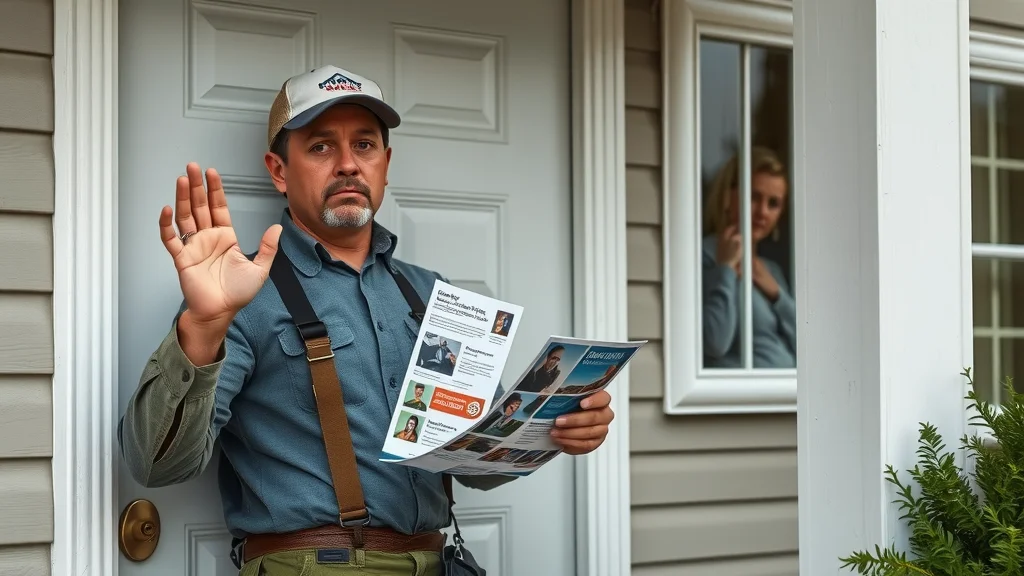
Marketplaces, Shared Leads, and the ‘Lowest Price Takes All’ Trap
Shared leads from lead gen marketplaces may seem attractive—after all, they promise a steady flow of prospects—but in reality, these leads are sent to as many as five or more local competitors. The result is fierce competition and rampant price undercutting, forcing you into a downward spiral just to win business. This “lowest price wins” trap is the exact opposite of sustainable authority marketing; it devalues your services and keeps true growth perpetually out of reach, even as you spend ever-increasing amounts on home service lead lists or google ads.
Actionable Steps for Roofing Companies: Start Generating Roofing Inbound Leads Now
Audit your online authority: reviews, SEO, and content
Set up compelling landing page for inbound lead capture
Ask every happy commercial roofing client for a testimonial
Create hyper-local content for your roofing business’s service areas
Invest in home service marketing that builds real authority
Case Study: Roofing Company Success After Transitioning to Inbound Leads
Consider the case of a mid-sized commercial roofing contractor who historically depended on Angi, HomeAdvisor, and paid google ads for most of their leads. Frustrated by poor conversion rates, constant price haggling, and a shareholder’s demand for better ROI, they pivoted to authority marketing—investing in educational blog content, video project showcases, and customer review campaigns across every service area. Within six months, inbound inquiries topped outbound calls for the first time. Their close rate increased by over 40%, average deal size grew, and chasing dead-end shared leads became a thing of the past. The team felt new motivation, clients were happier, and the company’s online brand presence sparked consistent referrals. This is the power of roofing inbound leads in action.
The Role of Reviews, Referrals, and a Strong Local Brand in Roofing Inbound Leads
Whether you’re targeting residential roofing or commercial roofing projects, nothing accelerates the inbound flywheel like authentic client reviews and word-of-mouth referrals. A five-star rating on Google, detailed testimonials, and a robust local reputation move prospects from “considering” to “committed” faster than any ad campaign or cold call. Positive reviews build the authority needed for quality lead generation that naturally repels price shoppers and attracts value-driven clients.
Why Online Reviews Matter for Roofing Leads
Online reviews are the lifeblood of modern roofing lead generation. In most cases, homeowners and commercial property managers will scrutinize your Google Business Profile long before they pick up the phone. A collection of authentic, detailed five-star reviews increases your visibility in search engine rankings and instills immediate trust. Every new review is a unique form of social proof—reinforcing your authority, pushing your roofing company to the top of “service area” searches, and dramatically increasing conversion rates on both your website and landing page.

Maximizing Referrals: Turn Every Roofing Job Into a Lead Source
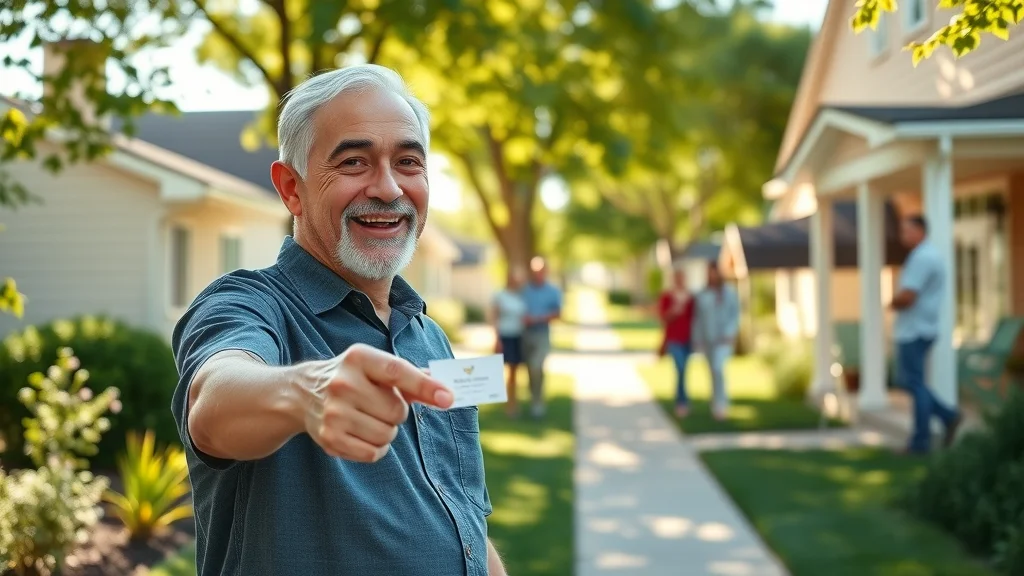
After every completed job, you stand on the best possible foundation for new roofing inbound leads: a happy customer. Creating a proactive referral system—providing business cards, using follow-up emails with review requests, and incentivizing word-of-mouth—drives more opportunities than any outbound marketing budget could achieve. When customers recommend your services to neighbors and colleagues, it signals unmatched trust, reinforcing your local brand and closing the loop on authority-led, organic lead generation.
Tables: Comparing ROI and Customer Lifetime Value for Roofing Inbound Leads
Roofing Lead Generation Cost vs. ROI; Average ROI Per Lead Source | ||||
Lead Source |
Avg. Cost Per Lead |
Avg. Close Rate |
Customer Lifetime Value |
ROI Over 12 Months |
|---|---|---|---|---|
Roofing Inbound Leads (SEO, Reviews, Content) |
$0-80 (organic spend) |
30-50% |
High (repeat, referrals) |
Excellent (compounding returns) |
Bought Roofing Leads (Marketplaces, Lists) |
$60-200 (per lead) |
10-15% |
Low (little loyalty, no referrals) |
Poor (often break-even or loss) |
Paid Search (Google Ads, Home Service Platforms) |
$90-300 (per click/lead) |
12-20% |
Varied |
Moderate (high churn) |
“A strong local brand isn’t built overnight, but its rewards multiply every year you invest in roofing inbound leads.”
People Also Ask: How Roofing Inbound Leads Impact Your Roofing Business
How much do roofers pay per lead?
The cost per roofing lead varies widely by source. Bought leads from shared marketplaces can range from $60 to $200 each, while pay-per-click campaigns—including google ads—often fall between $90 and $300 per lead. Meanwhile, roofing inbound leads generated through SEO and reviews typically cost less over time because the upfront investment in authority and content yields ongoing benefits. Most roofing companies find that inbound leads deliver much stronger ROI, especially in competitive service areas, compared to constantly buying leads or paying referral fees.

How to get more leads as a roofer?
To generate roofing leads consistently, focus on enhancing your digital presence. This includes optimizing your Google Business Profile, encouraging online reviews, producing educational content that answers homeowner questions, and showcasing successful roofing projects across your website and social media. Consider adding lead capture forms to your landing page and investing in local SEO for each target service area. Building authority and proof creates a flywheel effect—making your roofing company the first choice every time someone searches for roofing services in your area.
How to tell if a roofer is lying?
Homeowners and property managers can protect themselves by researching a roofing contractor’s reputation before agreeing to any work. Look for a clear online presence with established reviews, transparent project examples, and proof of licensing and insurance. Companies with a history of happy clients and detailed posts about their work are much less likely to misrepresent themselves. Transparency, clarity in estimates, and willingness to provide references are reliable “tells” that you’re dealing with a trustworthy contractor—just another reason why inbound roofing leads value authority brands.
How to get roofing lead?
Getting quality roofing leads starts with establishing a visible, credible presence online. Invest in search engine optimization, maintain an updated website, and fill your Google Business Profile with project photos and positive reviews. Offer educational content and build relationships with past clients to encourage referrals. Networking in local home service groups and inviting customers to leave testimonials help position your business as the go-to solution for roofing needs, ensuring steady inbound leads without chasing cold lists.
Frequently Asked Questions About Roofing Inbound Leads
Are roofing inbound leads only for large roofing companies?
No—roofing inbound leads can benefit companies of any size. Even solo contractors or small roofing teams can generate a steady stream of quality leads by investing in authority-building tactics: reviews, local SEO, and educational content. In fact, smaller companies often see faster returns because of direct owner involvement in every step of the client journey.
How soon might you expect results from roofing inbound leads?
Many roofing companies start to see early wins within 60–90 days of consistently implementing authority marketing strategies. As your reviews, SEO rankings, and content grow, the pace of inbound inquiry accelerates—delivering compounding returns over time compared to one-and-done bought lead campaigns.
Can roofing companies combine inbound and outbound lead gen?
Yes—a balanced marketing approach can include both inbound (content, reviews, SEO, referrals) and outbound (ads, email, networking). However, the goal is to shift from dependence on cold, bought leads to a resilient pipeline of inbound leads that offer faster closes, higher deal value, and long-lasting client relationships.
Key Takeaways: Roofing Inbound Leads and Roofing Lead Generation
Roofing inbound leads convert faster, cost less, and create enduring customer relationships.
Authority and proof are essential to attract high-value, low-sensitivity prospects.
Bought roofing leads often result in wasted time and price competition.
A strong local brand supported by real reviews and content yields the best roofing lead generation ROI.
Elevate Your Roofing Company: Start Building Roofing Inbound Leads Today
Cut ties with cold, price-driven lead gen traps and take control of your future—start investing in authority marketing and content-driven roofing inbound leads. The difference is measurable, the rewards are lasting, and your business will never look back.
To further enhance your understanding of the advantages of inbound roofing leads over purchased ones, consider exploring the following resources:
“Close More Inbound Leads! 5 Easy Steps to Outsell The Competition”: This video provides actionable strategies to effectively convert inbound leads, emphasizing techniques to stand out in a competitive market.
“Maximize Roofing Leads with Geekly Media’s Proven Marketing”: This article outlines a comprehensive digital marketing program tailored for roofing companies, focusing on driving traffic and generating high-quality inbound leads. (geeklymedia.com)
By delving into these resources, you’ll gain practical insights and strategies to optimize your lead generation efforts, ensuring a steady stream of motivated clients ready to engage with your roofing services.

Write A Comment