

Trust isn’t given, it’s earned—especially in roofing. I’ve seen businesses falter when their social proof feels fake. Understanding what makes testimonials genuine can transform your strategy and build real customer confidence. In the competitive roofing industry, roofing social proof strategy is the cornerstone of authority and strong lead quality. This guide unpacks exactly how your business can stand out, grow your roofing business reliably, and avoid the reputation pitfalls holding so many contractors back.
What You’ll Learn About Roofing Social Proof Strategy
Understand why genuine roofing social proof strategy matters for long-term business authority
Identify what makes social proof credible versus damaging
Practical steps for roofing companies to build trust and stand out amid noise
How expert insight and strategic marketing channels elevate your roofing business
The Critical First Impression: Why Roofing Social Proof Strategy Matters
“Trust isn’t given, it’s earned—especially in roofing. I’ve seen businesses falter when their social proof feels fake.”
First impressions can make or break a roofing business. Today’s potential customers scrutinize every piece of social proof: they comb through reviews on your Google Business Profile, check local service platforms, and compare testimonials across social media. The credibility of your roofing social proof strategy is on trial from the moment a prospect lands on your business profile or marketing channel.
Why does this level of scrutiny exist? Roofing companies operate in a high-trust, high-ticket environment. A single bad job or fake review can do more harm than any discount campaign can fix. Social proof that rings false, generic, or staged turns off potential clients immediately, costing jobs and eroding hard-won brand equity. And when roofing contractors rely on price-focused tactics or aggregator platforms like Angi, they attract low-quality leads and become trapped in a cycle where margin and reputation suffer.
The real ROI comes not from short-term lead generation, but from long-term authority. Reputation built on trustworthy proof is the most potent marketing asset a roofing company can own. Investing in genuine reviews and brand awareness ensures you’re not just another name in a crowded field, but a respected leader in the roofing industry—someone clients trust with their home service needs.
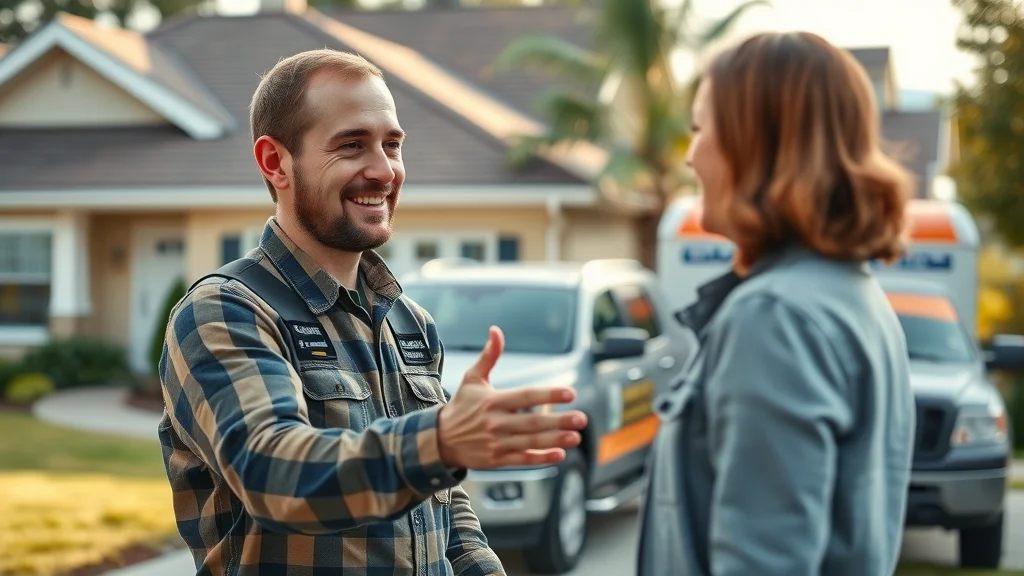
Roofing Social Proof Strategy: Foundations of Credibility in the Roofing Business
The psychology behind believable roofing social proof strategy is rooted in authenticity. Customers decide whether to trust your roofing company based on the detail, consistency, and context of reviews and testimonials. A single generic “great job” isn’t enough; homeowners want proof of real challenges solved, strong relationships built, and exceptional results delivered. Roofing businesses that showcase authentic stories build trust that transcends price.
How can you tell if feedback is authentic? Look for specifics: references to actual roof repair timelines, photographs showing before-and-after work, and reviewers who are verifiable in your service area. Manipulated or obviously staged testimonials rarely mention details meaningful to a potential customer. Worse, they spark skepticism that turns strong leads away. Roofing companies must own their proof—because when you surrender your reputation to outside platforms or price wars, you perpetuate the lie that only cost matters. In fact, what truly grows your roofing business is demonstrating expertise, care, and reliability.
Consider two contrasting scenarios: In one, a local roofing services contractor publishes handwritten testimonials, complete with pictures and dates, on their website and updates Google Business Profile reviews regularly—leading to steady increases in direct inquiries and referrals. In another, a competitor posts dozens of bland, five-star reviews without context. Guess which business wins over qualified leads? In the roofing industry, credible proof is everything.

Common Pitfalls: What Breaks Roofing Social Proof Strategy
Relying on the wrong kind of social proof does more harm than good for your roofing business. One common mistake is flooding your business profile or website with generic testimonials that lack substance—statements like “Great service!” or “Very satisfied” don’t build trust. Savvy homeowners view these as filler or, worse, manipulated feedback.
Another misstep is misusing social media or media marketing by sharing fabricated news or reviews. In an era where authenticity is currency, fake or poorly orchestrated content is quickly sniffed out and can permanently damage your company’s reputation. Similarly, depending solely on Google Business Profile reviews without offering richer backstory or context makes your roofing company blend in with every other generic listing, reducing the impact of your marketing efforts.
Finally, ignoring the skepticism of potential customers is a costly oversight. Today’s buyers are hyper-aware of fake or recycled reviews. If you fail to address concerns transparently, your brand’s authority will suffer and leads will go elsewhere. The message is clear: roofing social proof strategy must be both genuine and multi-dimensional to avoid these all-too-common credibility traps.

In this brief video, we contrast authentic video testimonials from real homeowners—complete with genuine emotion, identifiable context, and specific project details—with generic, staged clips that raise red flags. Learning to spot these cues helps roofing companies ensure their social proof strategy wins trust every time.
Building Trust: Roofing Social Proof Strategy That Works
The strongest proof strategies start with structured testimonial collection. Roofing companies can gather detailed, context-rich testimonials immediately after project completion, highlighting the specific challenges solved and the customer’s satisfaction with the process. Recording video testimonials on-site, with both homeowners and crew members, fosters strong relationships and reflects both expertise and accountability—qualities that matter deeply in the roofing industry.
Selecting the right marketing channels is crucial: effective roofing social proof strategy blends social media marketing, Google Business Profile optimization, and targeted use of local service platforms. Each channel should reinforce consistent brand messaging and proof of value, ensuring that wherever a potential client finds your business, they discover a unified story of trust and achievement. Integrate these testimonials into all marketing efforts—be it blog posts, email marketing, or landing pages—to maximize visibility and engagement across your pipeline.
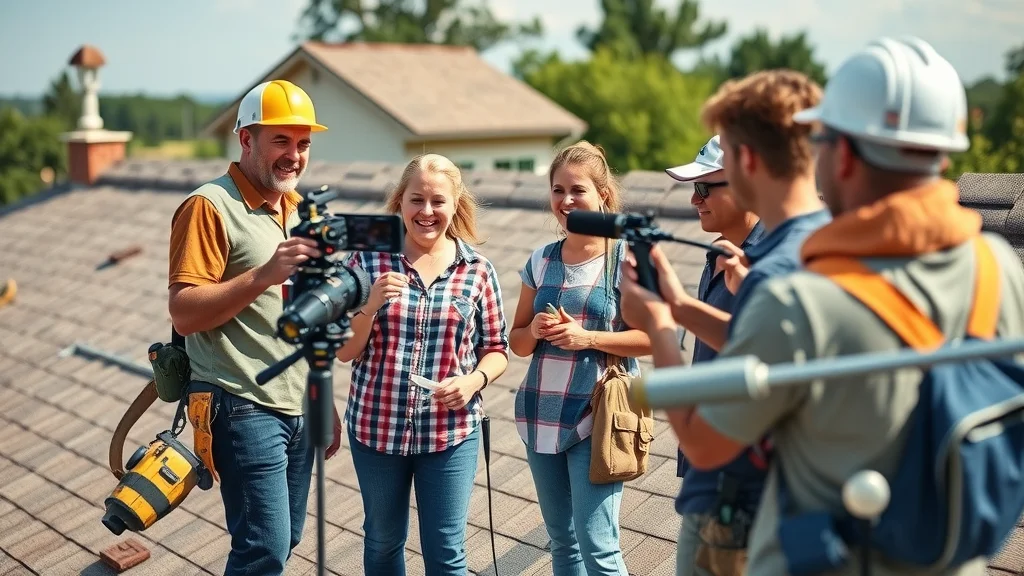
Table: Comparison of Roofing Social Proof Strategies and Their Impact
Strategy |
Perceived Credibility |
Impact on Roofing Business |
Long-Term Value |
|---|---|---|---|
Handwritten Reviews |
High—personal, unique, hard to fake |
Differentiates brand, builds deep trust |
Very strong—drives referrals & repeat clients |
Video Testimonials |
Very High—visual & emotional authenticity |
Boosts conversions, attracts higher-quality leads |
Exceptional—memorable, reusable content asset |
Google Business Profile |
Moderate—expected by most users |
Helps with SEO & local exposure |
Foundational—must be managed for relevance |
Aggregator Platforms |
Low—seen as generic, price-focused |
Attracts low-margin leads, weakens brand |
Poor—creates dependency, hard to escape |
Social Media Marketing |
Variable—engaging if authentic, risky if not |
Builds awareness, can spark viral sharing |
High if consistent & well-integrated |
This walk-through video reveals how to script, film, and publish testimonial content for your roofing business—using real project footage, homeowner interviews, and behind-the-scenes clips. Learn how to avoid common mistakes and deliver social proof that truly resonates and builds long-term trust.
Leveraging Social Media & Media Marketing for Roofing Social Proof
Social media and media marketing give roofers multiple ways to grow your roofing business and attract potential customers. Start by using engaging content formats—such as project photos, time-lapse roof repairs, and expert Q&A sessions—to build trust and brand awareness. Integrating your roofing business profile, awards from local service platforms, and community involvement helps establish authority and sets you apart in a noisy marketplace.
Monitor and respond to reviews and brand mentions in real time. Timely, public responses to both positive and negative feedback demonstrate accountability—a major trust signal for potential clients. Consistent monitoring ensures your brand’s story isn’t controlled by outside voices but is instead shaped by your expert insight and intentional marketing strategies.

Marketing Strategies to Strengthen Your Roofing Social Proof
Content-driven marketing is integral to standing out in the roofing industry. Share detailed case studies, before-and-after project galleries, and educational blog content that addresses common homeowner concerns. When happy customers tell their stories and provide context—the problem you solved, the process, and their peace of mind afterward—it becomes a lasting asset stronger than any ad campaign.
Maximize referral marketing by encouraging word-of-mouth: empower customers to share their experiences online and with neighbors. A single strong recommendation from a trusted source often outweighs a dozen anonymous reviews. Long-term branding requires you to invest in reputation and authority—not just SEO tricks or short-term marketing efforts. By owning and curating genuine proof, you shift from competing on price to leading your market with credibility.

Real-World Examples: Roofing Companies That Nail Social Proof
Take, for example, Smith & Sons Roofing, a local contractor who built their authority by featuring handwritten customer notes plastered across their office and online portfolio. By documenting not just the finished product, but the journey—before-and-after photos, timeline breakdowns, and ongoing support—they turned every project into a story. Their lesson: personalize every touchpoint and invite customers to share their journey.
On the flip side, Tri-City Roofing leaned too heavily on aggregator reviews. While they captured plenty of jobs, most were from bargain-hunters and led to minimal repeat business. Only after shifting their marketing strategy to highlight detailed video testimonials and investing in a stronger brand presence did they see quality leads rise and dependency on third-party sites fade away.
“Real proof isn’t about numbers—it’s about narrative and nuance. Roofing contractors who own their social proof own their future.” — Industry Marketing Expert
Industry News: Trends in Roofing Social Proof and Local Service Marketing
Staying ahead of privacy changes, review authenticity standards, and shifts in search engine algorithms is vital for every serious roofing company. Google’s algorithm now places greater weight on in-depth, verified reviews over generic comments—rewarding those who invest in credible proof. Simultaneously, stricter privacy controls mean less personal info is yielded by aggregator platforms, increasing the value of direct testimonials and content-driven strategies.
Forward-thinking contractors invest in their own brand content and controls—not just to keep up, but to thrive as digital trends shift. Watching competitor responses (and mistakes) in local service marketing, industry news, and media marketing reveals that the winners are always those who prioritize authentic customer stories, proactive reputation management, and a diversified approach to social proof.

People Also Ask: Roofing Social Proof Strategy
How can roofing companies build trust with potential customers using social proof?
By showcasing authentic reviews, both written and video, and responding to each customer openly, roofing companies can demonstrate that every client’s voice matters. Combining this with a presence on trusted marketing channels—Google Business Profile, reputable local service platforms, and social media—cultivates trust and boosts authority among potential customers. A multifaceted approach helps build relationships beyond the reach of simple advertising.
Which marketing channels are best for roofing social proof strategy?
The most effective marketing channels for roofing social proof strategy are Google Business Profile, well-vetted third-party platforms, and direct social media engagement. When managed together, these provide a strong online presence and close the loop on a customer’s research journey. Each channel should feature unique, in-depth reviews to maximize credibility and lead generation.
What are the dangers of over-relying on aggregator sites for social proof?
Aggregator sites like Angi or HomeAdvisor often attract price-sensitive leads who shop around for the cheapest deal. Over-relying on these platforms can erode your margin, dilute your company’s unique voice, and trap your roofing business in a never-ending price war. Relying only on aggregator reviews for social proof undermines your authority and limits opportunities to build trust with higher-quality clients.
Lists: Best Practices for Roofing Social Proof Strategy
Collect detailed, context-rich testimonials after project completion
Highlight specific challenges solved for the customer
Respond to every (good and bad) review publicly with professionalism
Use video and images to enhance believability and engagement
Regularly audit your business profile and social media for relevance and trust signals

FAQs: Roofing Social Proof Strategy
How does roofing social proof strategy affect lead quality and close rates?
A credible, well-managed social proof strategy attracts better, pre-qualified leads who are far more likely to proceed with your services. When proof is believable and abundant, close rates increase because prospects feel confident in your reputation and expertise, reducing reliance on low-margin, high-volume platforms.
Are reviews alone enough to establish roofing authority?
Reviews are the foundation of roofing authority, but not the entire structure. Combining them with expert blog content, engaging media, and prompt, transparent communication with clients creates a more robust authority and long-lasting brand awareness in the roofing industry.
How can my roofing business recover from fake or negative reviews?
The best approach to recover from fake or negative reviews is to address issues promptly and transparently, seek to resolve any problems, and gather new, authentic feedback to outweigh the negative. Amplify positive customer stories across every marketing channel to restore trust and reinforce your business profile’s credibility.

Key Takeaways for Roofing Social Proof Strategy
Believable social proof is a long-term asset—not a shortcut
Owning your social proof separates price competitors from real market leaders
Roofing companies should prioritize genuine, multi-channel proof to grow reliably
Strategic media marketing ensures control, authority, and visibility

Elevate Your Roofing Social Proof Strategy and Dominate Your Market
Ready to stop competing on price and build lasting authority? Discover how Valis Pro helps roofing companies own their proof and win better clients today.
To enhance your understanding of effective roofing social proof strategies, consider exploring the following resources: “What Social Media Strategies Help Roofing Contractors Succeed?” (localpack.net) This article delves into the importance of social media for roofing contractors, emphasizing the use of location data, video testimonials, and targeted promotions to build community trust and attract local leads. “Roofing Marketing Guide: Strategies to Grow in 2025” (theroofingmarketer.com) This guide offers insights into leveraging social media platforms effectively, focusing on local trust-building, strategic platform selection, and the use of video content to engage potential customers. By integrating the strategies outlined in these resources, you can develop a robust social proof approach that enhances your roofing business’s credibility and attracts high-quality leads.

Write A Comment