
Add Row
Add Element
cropper
update

[Company Name]

update
Add Element
  • Home
  • Subscribe
  • Contact Us
  • Categories
    • Authority & Positioning
    • Reputation
    • Lead Generation
    • Visibility & Discovery
    • Content & Media
    • Funnels & Conversion
    • Brand Voice
  • All Posts
  • Authority & Positioning
  • Reputation
  • Lead Generation
  • Visibility & Discovery
  • Content & Media
  • Funnels & Conversion
  • Brand Voice
December 19.2025
1 Minute Read

What Brand Dominance Looks Like in Local Roofing Markets

In every neighborhood, a roofing brand can either be a trusted ally or a forgotten name. Understanding brand dominance isn't just about market share—it’s about building trust and security. Dive into how local roofing leaders earn loyalty and why their reign matters to homeowners and businesses alike.

Opening Insights: The Real Meaning of Roofing Brand Dominance

When we talk about roofing brand dominance, we’re not just discussing which roofing contractor signs the most contracts. True dominance in the local roofing market goes far deeper—it’s about building a name synonymous with reliability, expertise, and integrity in the eyes of clients. This separates the brands who chase leads and those who attract the kind of jobs, referrals, and respect that make marketing effortless. If your business isn’t strategically claiming its place as a trusted authority, you’ll be left vying for low-margin projects, stuck in never-ending price wars, or endlessly paying for leads with diminishing returns.

Understanding roofing brand dominance is crucial for any contractor seeking sustainable growth and a resilient business. The shift from price-focused tactics to authority-focused strategies not only draws in discerning clients but also builds a pipeline independent of platforms like Angi and HomeAdvisor. As you read on, you’ll gain practical insights into why brand dominance matters, how it’s achieved, and what lasting benefits it brings to the modern roofing industry.

  • What You'll Learn About Roofing Brand Dominance
    • Understand the factors driving roofing brand dominance in local roofing markets.
    • Explore the psychology behind buyer loyalty and brand trust in the roofing industry.
    • Identify actionable steps to establish authority and control your pipeline outside traditional lead channels.
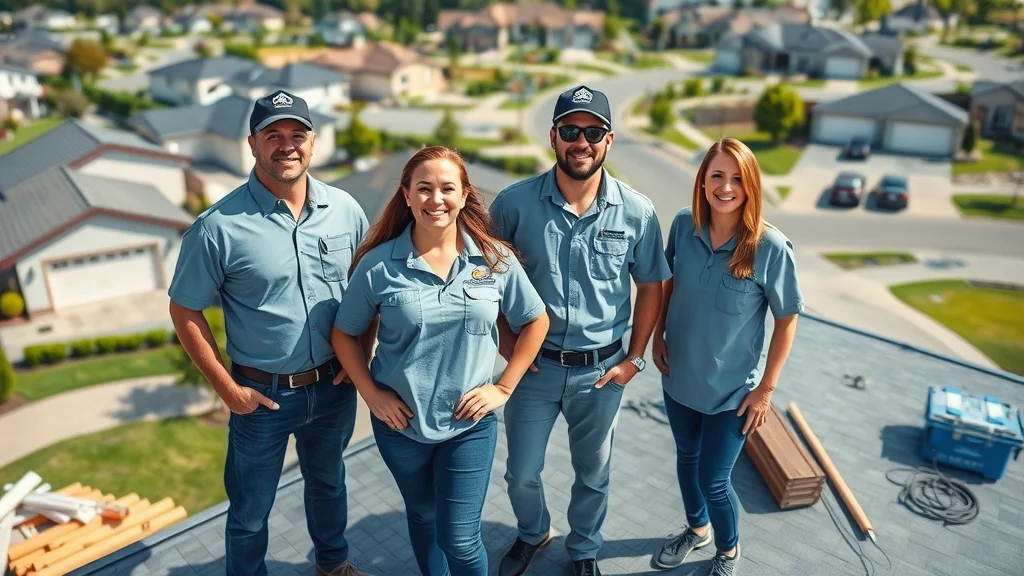
Confident roofing contractor team demonstrating roofing brand dominance on a suburban rooftop, wearing branded uniforms and surrounded by roofing materials.

Table: Key Influencers of Roofing Brand Dominance in Local Roofing Markets

Influencer Description Impact on Brand Dominance
Reputation & Reviews Consistent positive feedback and visible online reviews from real clients. Fosters trust, increases referrals, and defends against price-only competitors.
Material Quality Supplier partnerships and use of proven, high-performance roofing materials. Builds credibility and highlights commitment to quality over price.
Customer Experience Seamless, transparent processes from initial contact through project completion. Drives repeat business and creates advocates in the local community.
Content Authority Expert educational content, project galleries, and transparent communication. Market visibility, SEO strength, and pipeline control with inbound leads.
Local Presence Active involvement in community events and partnerships. Humanizes the brand and enhances long-term trust in the roofing market.

Why Roofing Brand Dominance Matters in the Roofing Market

Contractors who achieve true roofing brand dominance command more than a high volume of roof repair jobs—they orchestrate a steady flow of premium projects with less friction, better referral rates, and greatly reduced competition on price. When your brand is top-of-mind and trusted locally, homeowners and businesses alike choose your team based on trust and past proof, not solely on cost. As the roofing sector’s growth rate increases in recent years, standing out by leveraging reputation, superior roofing material, and outstanding service will ensure your pipeline stays full—regardless of temporary market shifts or supply chain disruptions.

For commercial and residential roofing contractors, the impact of dominance isn’t only project-based but also cultural. Dominant brands have stronger team morale due to visible social proof and fewer obstacles with clients. They’re less affected by lead gen volatility and industry price wars, allowing them to invest in long-term customer service and innovation. The bottom line? Roofing brand dominance makes your roofing business resilient, profitable, and respected in any local market.

Roofing Brand Dominance vs. Market Share: Defining Success

Many roofing companies confuse market share with true brand dominance. Market share simply measures what percentage of projects, bids, or sales a company secures within a given region or time period—a useful metric but not the whole story. Dominance, on the other hand, is defined by a deeper attachment within the roofing market. The most sought-after brands influence buyer preferences in the construction industry, commanding respect through proof points such as reputation, roofing material choices, and lasting project outcomes.

Dominant roofing contractors become the standard by which others are measured—projects are won not by offering the lowest price, but by being known as the “safe bet” for both quality and reliability. Over the forecast period, the gap between market share and true dominance is likely to widen as more consumers seek assurance and trust over simple cost savings. Building a resilient roofing business requires going beyond numbers and focusing on the drivers of authority, reputation, and excellence.

How Local Roofing Brand Dominance Affects Client Quality and Project Pipeline

Roofing companies with strong brand presence attract not only a higher volume of inquiries but also a better class of clients—those who are willing to pay for value, understand the need for quality roofing materials, and seek relationships over transactions. When you lead the local roofing market, you’ll find less resistance to your pricing, more openness to upselling for premium products like metal roofing, and a greater willingness from clients to wait for your availability over competitors.

This improvement in client quality directly feeds your project pipeline, creating a predictable flow of high-margin work and positive word-of-mouth that outpaces the effectiveness of paid roofing marketing channels. Rather than relying on the “race to the bottom,” dominant brands can invest in customer experience, staff training, and strategic growth knowing their pipeline is supported by reputation, not just lead generation tactics.

"In today's roofing market, owning your proof is more valuable than chasing the lowest bid." – Industry Authority, Valis Pro
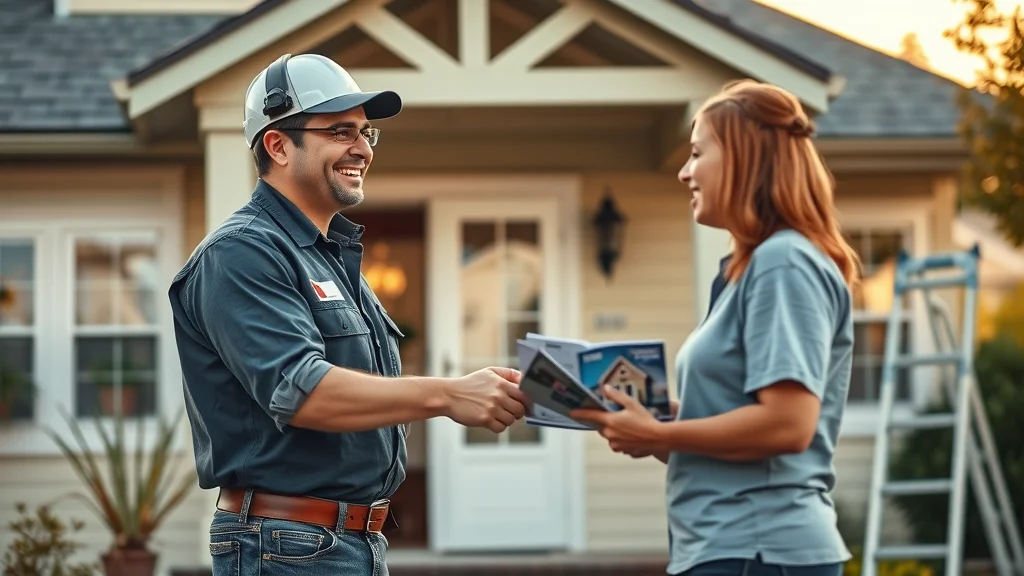
Roofer in branded attire building brand trust through professional project consultation with a homeowner, highlighting roofing brand dominance.

Private Equity in the Roofing Industry: A Gamechanger for Roofing Brand Dominance

Recent years have seen a surge in private equity investment across the roofing industry. This movement is altering the field for both local roofing contractors and large chains. Private equity brings capital, operational systems, and expansion strategies that allow already strong brands to scale further—often purchasing several companies to create regional powerhouses. These well-funded entities bring efficiencies in supply chain, roofing materials sourcing, and marketing that can threaten smaller local players.

However, private equity does not spell doom for independent roofing contractors. Instead, it highlights the importance of brand authority, client relationships, and specialized expertise that large roll-ups can’t always replicate. By focusing on superior customer service and authentic community presence, even smaller roofing businesses can carve out dominant positions in their local markets, differentiating from the generic, volume-driven strategies of national players.

What Private Equity Means for Local Roofing Contractors

As private equity continues to shape the roofing sector, local contractors need to pay attention to the competitive landscape. Increased acquisition activity often results in stronger, more efficient competition in terms of roofing marketing tactics, logistics, and reach. However, it also creates a gap for community-rooted brands to shine. By doubling down on their unique strengths—reputation, responsiveness, and personalized service—local roofing companies can outperform even well-funded giants at the neighborhood level.

Contractors who understand their market, actively manage their online reputation, and maintain control over their project pipeline through authority marketing are well positioned to thrive. The key? Don’t emulate the big players’ scale—build your fortress around trust, consistency, and proof of excellence in roofing projects.

The Influence of Private Equity on Roofing Market Share and Competition

The influx of private equity has a direct impact on market share distribution and intensifies competition in both residential and commercial roofing segments. Consolidated brands gain leverage in supply chain negotiations, can access premium roofing materials at lower costs, and often have dedicated resources for advanced roofing marketing strategies. For independent contractors, this can seem daunting—but large entities often lack the nimbleness and hyper-local reputation needed to truly dominate.

If you want to maintain or increase your position in your regional roofing market amid this changing landscape, brand authority and proof-based marketing (before-and-after galleries, five-star reviews, and educational content) will be your differentiators. Control your narrative—otherwise, your roofing business risks being boxed into price-only competition by larger, less personal firms.

Core Attributes of Dominant Roofing Brands in the Roofing Industry

  • Reputation and Reviews
  • Content-Driven Authority
  • Consistent Customer Experience

The best in the roofing industry distinguish themselves by laser-focusing on these core pillars. Reputation, evidenced by glowing reviews and repeat clientele, is the foundation of brand dominance. Authority comes from producing educational content that solves real client problems—think in-depth guides on roofing material selection, or transparent explanations of roof repair options. Consistency means that whether it’s the consultation, installation, or follow-up, customers receive an experience that validates the company’s market position.

Roofing businesses that lack these attributes waste time fighting for every project rather than earning it through proof. Meanwhile, dominant brands see their leads increase in both volume and quality, with loyal customers becoming vocal advocates in the local community and online.

Roofing Brand Dominance and the Power of Trust

Trust is at the heart of roofing brand dominance—and in the construction industry, trust is earned slowly but lost quickly. Homeowners and commercial property managers place enormous value on proof of reliability, whether it’s seeing a near-perfect online review profile, a neighbor’s recommendation, or a visible track record of successful roofing systems. Each point of contact, from the clarity of your website to the demeanor of your sales team, either adds to or subtracts from your brand’s authority.

To win long-term, roofing contractors must provide transparent communication, respond to every concern, and showcase a consistent history of happy outcomes. This approach positions your roofing company as the “safe” choice, making price less of a deciding factor and putting you on the inside track for premium residential and commercial projects.

How Roofing Contractors Can Avoid Competing on Price Alone

A race to the bottom erodes margins and undervalues your expertise. Leading roofing contractors change the conversation from price to proof—highlighting client testimonials, photo evidence of craftsmanship, and the advantages of premium roofing materials. By bringing educational content to the fore and clearly communicating the long-term benefits of investing in quality, roofing companies create buyer confidence that outshines cost concerns.

Instead of chasing every possible lead, focus your roofing marketing on the right clients—those who seek guidance and aspire to work with industry leaders. Avoid commoditizing your services; instead, differentiate through trust, authority, and visible results.
Modern roofing company office highlighting online reviews and reputation, a key element of roofing brand dominance in the industry.

The Role of Roofing Materials in Establishing Brand Authority

The quality and consistency of your roofing materials say more about your business than any advertising campaign. Roofing contractors who insist on using high-performing, reliable materials not only protect their clients’ investments but also elevate the perceived value of their brand. This strategic approach directly impacts your business’s ability to charge premium rates, attract discerning customers, and build authority in both the residential and commercial roofing markets.

Furthermore, building solid relationships with reputable suppliers provides a steady supply chain, enabling you to offer warranties and guarantees with confidence—two essential elements when striving for true roofing brand dominance.

Why Roofing Material Quality Fuels Roofing Brand Dominance

Roofing companies that invest in premium roofing materials stand apart in markets plagued by wear and tear, severe weather, and ongoing concerns about reliability. By exclusively offering the best building material products, you reduce callbacks and complaints while increasing the likelihood of strong reviews and referrals. In an era where reputation is everything, the right materials are a marketing asset—strengthening your positioning as a trusted roofing contractor who refuses to compromise.

Whether specializing in metal roofing or architectural shingles, contractors should document and share why material quality matters—educating clients that short-term savings often mean higher long-term costs. Make your case through proof: showcase successful projects, manufacturer certifications, and written warranties.

Selecting Roofing Materials and Roofing Suppliers Aligned with Brand Positioning

Your choice of supplier and product reflects directly on your brand’s values. Seek out partners who share your commitment to quality, reliability, and ethical practices. Consider roofing material vendors who provide robust support, transparent product data, and co-marketing opportunities. If your projects consistently feature recognizable, high-end materials, your roofing business will attract clients who value durability, aesthetics, and long-term outcomes.

Additionally, showcase your supplier relationships and material selection process within your content strategy and sales presentations. This behind-the-scenes transparency builds additional trust, differentiates your company from volume discounters, and reinforces your standing as a leader in the roofing industry.
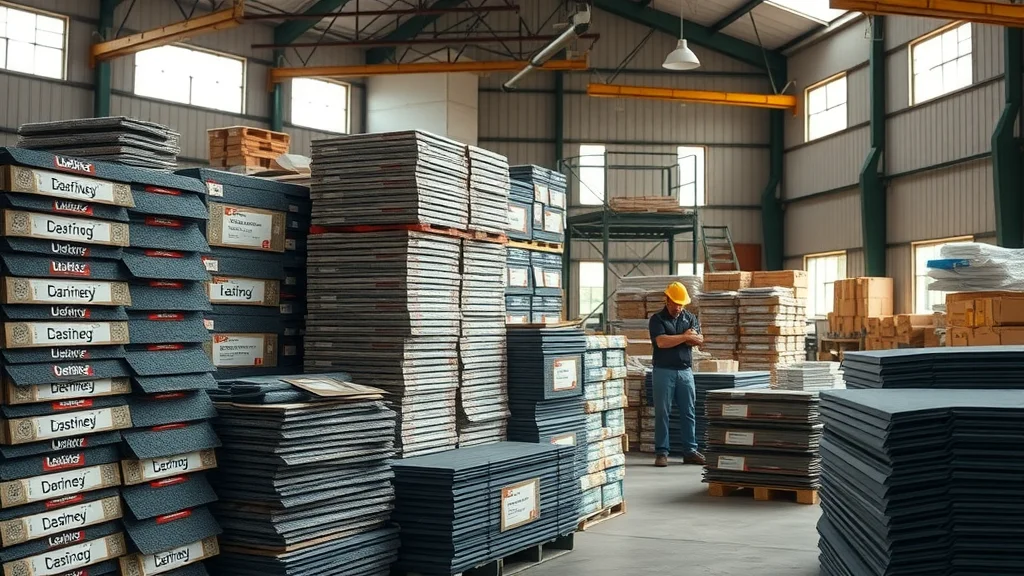
Display of premium roofing materials, showing how quality selection supports roofing brand dominance in the local market.

Actionable Strategies: Building Roofing Brand Dominance in Local Markets

  • Leverage Exceptional Customer Service for Roofing Brand Dominance
  • Develop a Content Strategy that Showcases Roofing Expertise
  • Strengthen Roofing Material Partnerships and Showcase Quality
  • Tap Into Community Involvement for Enhanced Roofing Brand Trust
  • Optimize Roofing Marketing for Long-Term ROI vs. Short-Term Lead Chasing

To rise above the noise, roofing contractors must implement strategies that address both short-term results and sustainable growth. Prioritize empowering your team to deliver memorable service on every project. Invest time in building a meaningful online footprint—regularly update your website, blog, and social channels with educational guides and client case studies. Highlight superior roofing material partnerships through stories and project spotlights, making your knowledge accessible to both commercial and residential audiences.

Further differentiate your business by engaging in community outreach, home service fairs, or sponsorships. These avenues establish face-to-face trust and keep your brand top-of-mind. Finally, avoid getting trapped in the cycle of lead dependency. Instead, build your marketing around reputation, proof, and education—laying the foundation for unshakeable roofing brand dominance.

The Importance of Roofing Marketing for Sustainable Roofing Brand Dominance

Marketing is the engine behind sustainable growth for any roofing business seeking dominance. But fleeting tactics—like paid ads or dumping budget into aggregated lead services—only provide short-term wins. The key to lasting authority is strategic, multi-channel roofing marketing that demonstrates your expertise and cultivates community trust. Initiate targeted campaigns on platforms where your ideal customers engage—whether it’s local Facebook groups, Google searches, or networking events.

The focus must always be on creating and sharing value-rich content: roofing project showcases, video walkthroughs, maintenance guides, and in-depth information on roofing material options. Over time, this strategy establishes a pipeline that thrives regardless of individual platform changes or market fluctuations, especially during unpredictable forecast periods.

Effective Roofing Marketing Channels in the Roofing Industry

The most dominant roofing brands harness a blend of marketing channels to ensure sustained growth and authority. Instead of relying solely on word-of-mouth, successful contractors invest in search-optimized websites, consistent blog content, video explainers on roofing materials, and active social media engagement. Channels such as Google Business Profile, local SEO, and industry partnerships enable contractors to connect with both commercial roofing clients and homeowners seeking roof replacement or roof repair.

By maintaining a diversified marketing approach—combining educational events, community involvement, and strategic digital campaigns—roofers are able to maintain top-of-mind awareness and build ongoing relationships long after projects are completed. This proactive mindset allows your business to control supply chain challenges and industry trends, ensuring long-lasting prospects and reputation.

Case Study: Roofing Company Breaks Free from Angi/HomeAdvisor Dependence

Consider the story of a mid-sized roofing company stuck in a cycle of junk leads and unpredictable work through lead generation services like Angi/HomeAdvisor. By shifting focus to educational blog posts, before-and-after transformations, and genuine client testimonials, the business gradually built search traffic and referrals that brought in better-quality projects. Over 18 months, dependence on third-party lead providers dropped from 70% to less than 10%.

The catalyst was authority—demonstrable proof of skill, reliable communication, and a well-documented process for every roof repair or replacement. This transformation not only stabilized the company’s growth rate but also allowed for sustainable hiring and investment in newer roofing materials. The lesson: invest in your brand and own your pipeline.

See our video explainer for a breakdown of how buyer psychology influences brand dominance and why trust always trumps price. (Video illustration coming soon—contact Valis Pro to be notified.)

Common Roadblocks: Why Most Roofing Contractors Struggle with Roofing Brand Dominance

Many roofing contractors fall into traps that prevent them from breaking through as true industry authorities. These include over-reliance on paid leads, underinvestment in reputation-building, or confusion about roofing marketing and SEO strategies. Competing solely on price leaves your business vulnerable to larger competitors and private equity-backed brands that can outspend the independents while delivering less perceived value.

Not investing in clear proof—such as testimonials, reviews, or content showing expertise—means your business is easily viewed as a commodity. Without intentional action, frustrated contractors face shrinking margins, higher client churn, and constant uncertainty about the future. Avoid these pitfalls by focusing on what truly drives the roofing market: proof, authority, and consistent service.

The Trap of Price Wars: Diminishing Brand Value in the Roofing Market

Price wars may win occasional contracts, but they ultimately erode brand equity and profitability. Contractors who lead with the lowest price quickly find themselves on a downward spiral, unable to differentiate their services or command loyalty. Roofing brand dominance is best established by raising the conversation—highlighting materials, service, and reputation—rather than succumbing to the chase for the cheapest bid.

Remember, clients seeking the lowest price will rarely refer your business or provide positive reviews. Focus instead on providing value, transparency, and proof of past success to capture the kinds of projects that fuel sustained growth and positive reputation in the roofing industry.

Overcoming Confusion About SEO and Roofing Marketing Tactics

SEO and digital marketing can seem overwhelming, but at its core, the goal is simple: demonstrate your expertise and maintain visibility where your ideal customers are searching. Many contractors waste money on quick fixes without a cohesive plan. Instead, invest in ongoing efforts—regular content about roofing materials, answer common questions in your niche, and ensure your business information is consistent across search platforms.

Work with partners who understand the construction industry and can translate your proof into authority online. Consistent application of these strategies separates dominant brands from those stuck in the chaos of price-based competition and junk leads.

Stressed roofing business owner facing paperwork and pricing challenges, a common struggle in achieving roofing brand dominance.

Harnessing Online Reputation: The Digital Proof Behind Roofing Brand Dominance

  • Managing Online Reviews and Building Trust in the Roofing Industry
  • Integrating Roofing Brand Dominance into Social and Local SEO Efforts

Your digital reputation is the most powerful proof your roofing company has. Positive reviews not only build trust with future buyers but also strengthen your ability to compete on value rather than price. Proactively request feedback from satisfied clients, address any issues transparently, and showcase these testimonials across your website and social profiles.

Additionally, align your roofing brand dominance with local SEO best practices: ensure your contact information is accurate, publish location-specific project features, and use social media to amplify proof points. When proof is visible and consistent online, pipeline control follows—reducing dependence on fluctuating lead sources and elevating your business as the authority in the local roofing market.

Roofing Contractors as Trusted Advisors in the Construction Industry

Dominant roofing contractors do more than complete installations—they act as expert guides throughout every customer journey. By embracing the role of trusted advisor, you’ll not only win jobs but also cultivate long-lasting relationships with clients in residential and commercial roofing. This begins with transparent communication regarding roofing material choices, process timelines, and expected outcomes—values that buyers increasingly demand in the modern construction industry.

Consistently providing tailored insights and educational resources further cements your business’s position as the go-to authority. Over time, this advisor role translates to more lucrative projects, better client retention, and a lasting impact on your market’s perception of what excellence in roofing looks like.

Differentiating Your Roofing Brand Through Education and Transparency

Educational outreach—whether through site tours, how-to guides, or hands-on consultations—empowers property owners to make informed decisions. By sharing your knowledge, you shift client focus from price alone to the true value your roofing company provides. Transparency in workflow, warranties, and material selections builds comfort and trust, while demystifying the complexity of the roofing process for potential clients.

With the increasing complexity of roofing materials, systems, and regulations in recent years, clients are searching for partners who will educate, not just sell. Use this as a market differentiator to position your brand above the “bid only” crowd.

Building Long-Term Client Relationships in Commercial Roofing and Residential Markets

Reputation and continual engagement are the backbone of both commercial and residential roofing success. Long after project completion, stay in touch through maintenance tips, seasonal check-ins, and relevant home service promotions. These touchpoints keep your brand top-of-mind, encourage word-of-mouth referrals, and safeguard your pipeline from the ups and downs of the roofing industry’s growth rate.

Whether serving homeowners or commercial properties, show clients they are more than a transaction. This approach fosters loyalty, repeat business, and even opportunities to expand into additional service areas within the construction industry.
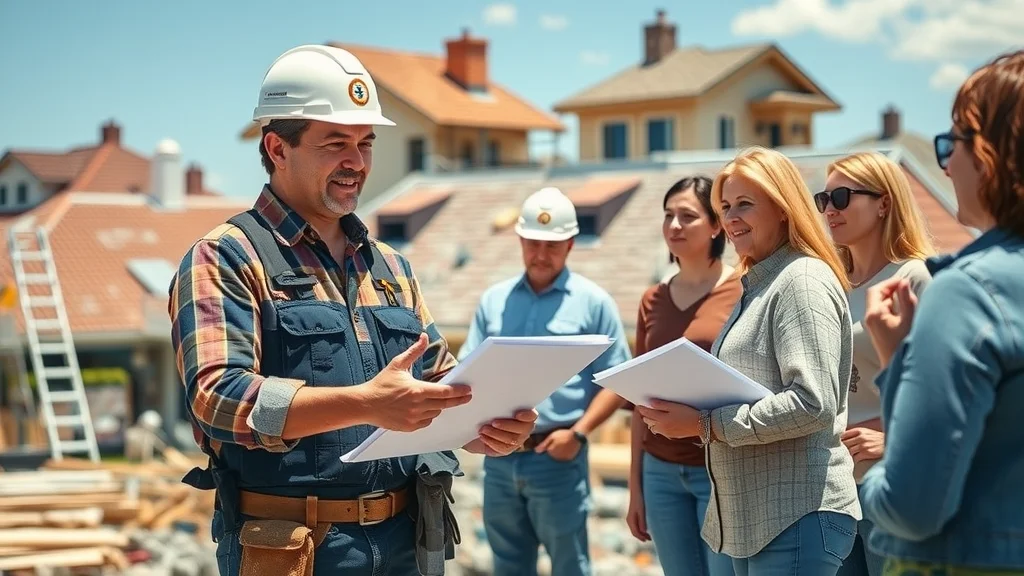
Contractor explaining roofing materials to property owners during an educational site visit, establishing authority in the construction industry.

Valis Pro’s Doctrine: Own Your Proof or Be Owned by Price

"In the roofing industry, evidence of excellence outlasts the lowest price. Your story defines your worth." – Valis Pro

This principle should drive every decision your business makes regarding marketing, sales, and operations. When you own and display your proof—client testimonials, material certifications, project galleries—you free your company from the lures of price-only leads and create lasting value in your market. Practically, this means never letting a competitor define you by price—you define your own value through consistent, visible evidence.

Adopt this doctrine, and roofing brand dominance becomes a natural result of your daily practices and long-term strategies.

How Valis Pro Empowers Roofing Brand Dominance in Roofing Contractors

Valis Pro stands with contractors committed to controlling their narrative, leveraging their proof, and escaping the cycle of price-based competition. The Valis Pro approach integrates deep market knowledge, content-driven authority, and tailored consulting to give contractors the tools they need to build and defend their brand dominance. Through digital audits, authority content campaigns, and pipeline-focused marketing strategies, clients gain clarity, confidence, and competitive advantage—regardless of private equity trends or the latest fluctuations in the roofing market.

The journey from lead-chasing to authority doesn’t happen overnight, but with the right partner, your company can become the name everyone trusts when it comes to roofing material choices, installations, and ongoing service in the construction industry.

Diverse roofing team meeting to plan brand strategy, collaborating on how to achieve and maintain roofing brand dominance.

People Also Ask: Roofing Brand Dominance in the Roofing Industry

What is the #1 roofing company in the US?

The largest and most dominant roofing company in the US often leads through brand reputation, extensive market share, and trusted roofing material distribution, not just total revenue or number of projects.

What is the best roof brand?

The best roof brand is determined by product durability, reputation for quality, and customer reviews. Roofing brand dominance is achieved when these factors drive repeated preference and trust in the roofing market.

What is the highest pay for a roofer?

Roofers working for dominant roofing contractors or specialized commercial roofing companies can command the highest compensation, often through skill, reputation, and expertise in premium roofing materials.

Who is the largest roofing manufacturer in the world?

Global roofing brand dominance is held by manufacturers who combine scale, innovative roofing materials, and supply reliability. Industry leaders in the roofing industry set benchmarks for others to follow.

Roofing Brand Dominance Case Studies: Lessons from the Top Roofing Markets

Studying real-world examples makes it clear: dominant roofing brands follow patterns of authority, proof, and customer connection. In cities where a contractor has ruled for years, you’ll often see recognizable branding, consistent messaging, and proactive reputation management. They win jobs through community involvement, industry certifications, and a public commitment to quality—clearly evident in every roofing project.

These companies avoided shortcuts and instead invested in team training, long-term partnerships, and a library of proof (reviews, videos, and guides) that build buyer confidence. If you’re just starting your journey, their lesson is simple: grow your reputation and market presence with patience, expertise, and relentless dedication to client trust.

What Local Roofing Companies Did to Achieve Roofing Brand Dominance

Top local roofing companies built dominance by first securing a foundation of positive reviews, then amplifying their reputation through visible branding and strategic content. They regularly trained staff, ensured materials were always high-quality, and documented every project to serve as future case studies. Actively participating in charity builds, local events, and home shows helped solidify their role as engaged community members—not just service providers.

They eschewed price wars, developing pricing structures that reflected both material and labor expertise. By consistently going above and beyond, they turned a single positive interaction into a stream of repeat business and referrals—proving that dominance in the roofing market comes from proof, not price.

Mistakes to Avoid in Pursuing Roofing Brand Dominance

Common pitfalls include relying too heavily on paid leads, imitating low-quality competitors, or failing to update digital assets as the roofing industry evolves. Some companies also neglect the importance of internal process documentation, which can lead to inconsistent customer experiences and damage long-term reputation. Another major mistake: focusing only on residential or commercial projects when diversification can bring stability.

Above all, avoid shortcutting quality to win bids or abandoning transparency once a contract is won. Roofing brand dominance is hard-won and easily lost—commit to continuous improvement, team empowerment, and an unwavering focus on delivering (and proving) excellence.
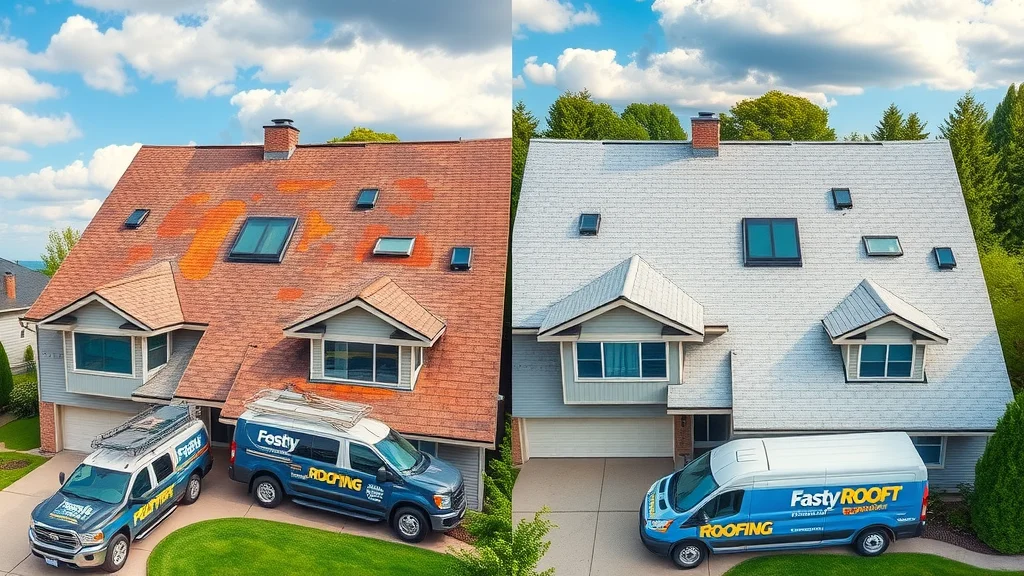
Before-and-after transformation of a residential roofing project with clear company branding, illustrating successful roofing brand dominance.

Key Takeaways for Roofing Contractors Pursuing Roofing Brand Dominance

  • Do not compete on price; compete on proof and reputation.
  • Invest in creating and showcasing quality content to build authority.
  • Build trust with consistent service and transparent communication.
  • Differentiate through superior roofing materials and expertise.
  • Own your proof—don’t let the market define your value by price alone.

FAQs: Roofing Brand Dominance in the Modern Roofing Industry

What distinguishes a roofing brand’s dominance from simple recognition?

Roofing brand dominance means your business isn’t just recognized—it’s consistently chosen and trusted for major projects. True dominance results from a blend of stellar reputation, visible proof of work, superior materials, and long-term customer relationships, while recognition alone may come from ads or a high number of bids. Dominant brands influence buyer choices and set the standard in their local roofing market.

Can small roofing contractors achieve brand dominance in the local roofing market?

Absolutely. Brand dominance does not require massive scale—it requires visible proof, trust, and a reputation for consistent excellence. Small contractors focused on quality service, strong local partnerships, and active reputation management can outpace larger, less personal competitors within their service area.

How should roofing companies measure the impact of their brand authority?

Monitor metrics like online review quantity and quality, referral rates, project pipeline stability, and keyword rankings in local search. Are clients choosing you for your reputation rather than your price? This is a clear indication your brand authority is working.

What tools are essential for tracking roofing marketing and online reputation?

Leverage platforms like Google Business Profile, review aggregators, and comprehensive CRM software. Monitor your website analytics for search visibility, track online mentions across social media, and regularly solicit client feedback to stay on top of your business’s public proof.

Conclusion: Securing Roofing Brand Dominance in Your Roofing Market

The key to lasting success is simple: Own your proof, invest in authority, and build trust relentlessly—brand dominance is yours to achieve.

  • Take the next step—book your personalized Valis Pro Roofing Brand Authority Audit now and accelerate your company’s journey toward lasting success.

In the competitive landscape of local roofing markets, several key players have established significant brand dominance through strategic initiatives and product innovation.

Owens Corning has solidified its position as a leading manufacturer of building materials, including insulation, roofing, and fiberglass composites. The company is recognized as the world’s largest producer of fiberglass composites, operating 30 composites facilities, 31 insulation facilities, and 16 roofing facilities globally. (en.wikipedia.org)

GAF, a subsidiary of Standard Industries, stands as North America’s largest roofing and waterproofing manufacturer. With a century-long legacy, GAF has achieved a 2024 revenue of $4.20 billion and an EBITDA margin of 19.2%. The company continues to innovate with products like the Tiger Paw™ Synthetic underlayment and has expanded its contractor training network to maintain its market leadership. (reportprime.com)

CertainTeed, a subsidiary of Saint-Gobain, operates 65 manufacturing plants across the United States and Canada. The company offers a diverse range of products for roofing, siding, insulation, gypsum, and ceilings, exporting to over 50 countries. CertainTeed’s commitment to quality is evident in its more than 350 patents over the past 30 years. (en.wikipedia.org)

CentiMark Corporation, established in 1968, is a national roofing contractor headquartered in Canonsburg, Pennsylvania. With over 80 offices and 3,500 associates across North America, CentiMark has been recognized as the #1 Roofing Contractor in North America, with revenue of $484.7 million in 2014. (en.wikipedia.org)

These companies exemplify brand dominance in the roofing industry by leveraging extensive product portfolios, strategic acquisitions, and a commitment to quality and innovation. Their success underscores the importance of building trust and delivering superior products and services to maintain a leading position in local roofing markets.

Authority & Positioning

1 Views

0 Comments

Write A Comment

*
*
Related Posts All Posts
12.26.2025

How to Prove Roofing Expertise Without Saying “We’re Experts”

Showing true roofing expertise means more than words—it’s about trust earned through flawless results and transparent communication. When potential clients feel confident in your skills without you saying it outright, you’ve mastered the art of proof. Let’s explore how subtle evidence can build undeniable credibility. What You'll Learn About Roofing Expertise Proof Concrete ways to show roofing expertise proof that attract high-quality clients. How to use project results, reviews, and transparent processes as key roofing expertise proof. Building trust and long-term authority in the roofing industry without overused claims. Practical steps to embed roofing expertise proof in every client interaction. The New Standard: Why Roofing Expertise Proof Matters More Than Claims “Own your proof, or be owned by the lie that price decides everything.” – Valis Pro Common frustrations: price-driven jobs, low-value leads, and the risk of being commoditized. How transparent roofing expertise proof overcomes skepticism and shifts buyer psychology. Why showing, not telling, builds long-term industry authority. From Price War to Proof-Driven Growth: Why Roof Inspect, Roofing Expert Witness, and Roof Inspections Are More Than Simple Services Transforming Roof Inspections Into Roofing Expertise Proof Showcase detailed roof inspect documentation. Highlighting before/after images and annotated inspection reports. Most roofers face the inevitable question: are you worth more than the guy offering a “lowball” quote? The answer isn’t a louder sales pitch. Use your roof inspection as a stage for proof—not just a process. Share annotated checklists, before/after photos of storm damage repairs, and explanations of your methodology. Every photo and line item in your roof inspect report can reinforce that you don’t just know what you’re doing, but can show the results in black and white. Your approach helps clients make informed decisions about complex roof systems—and this is what builds trust. Integrate roofing material insights (like the difference between metal roof and asphalt shingle solutions), code compliance, and manufacturer documentation in your reports. Use digital reports to tell the story: what was inspected, what was found, how the roofing system performs today, and how your team’s fixes deliver lasting energy efficiency or prevent water intrusion. These “proof points” transform a simple checkup into a business-winning differentiator. Expert Witness & Roofing Expert: The Authority Advantage Leverage court testimony, published opinions, or insurance claims as demonstrable roofing expertise proof. Why third-party recognition and expert witnesses boost credibility for your roof systems and advice. When you can provide expert witness testimony or are called to speak as a roofing expert witness in legal, insurance, or construction defect matters, you step beyond being “just another contractor.” Share how your specialized knowledge has resolved disputes, supported policyholders, and influenced insurance claims. Published opinions or court citations don’t just establish credibility—they prove a recognition of industry-standard expertise by impartial third parties. Displaying this proof on your site, in your proposals, or during client consultations can change the energy of any sales conversation. Instead of “why do you cost more?” the question becomes “when can you start?” This is the authority edge that most roofers miss, but it’s what separates roofing expert witnesses from the rest. Standing Out with Roofing Expert Witness Credentials Showcase certifications, licensed status, and completed complex projects. Turn specialized expertise (e.g., metal roof, asphalt shingle) into visible proof. Credentials matter—but only when clients see them in context. Highlight certifications (NRCA, RCI, GAF Master Elite, or state-specific credentials) wherever you explain your methods. Post case studies or project summaries with clear references to building code compliance, tough jobsite challenges, and the successful application of advanced roofing materials. Specialize in commercial building projects? Spotlight those projects, especially if they involved complex roof systems or provide expert witness testimony. Link each credential back to real-world results: code-passing installations, insurance-recognized repairs, or expert advisory for plaintiff and defense. Tell the story behind each badge or certificate; this turns “feature lists” into buyer confidence triggers. 5 Actionable Ways to Demonstrate Roofing Expertise Proof Instead of Saying It Share project case studies detailing roofing system solutions for unique challenges. Publish transparent roof inspection checklists and result photos. Display awards, credentials, industry standard certifications, and building code compliance. Highlight authentic client reviews—even those that address project hiccups. Participate in professional organizations as expert witnesses and publish technical insights. “Transparent process beats sales pitch every time.” – Roofing Industry Pro Roof Inspection Documentation: The Backbone of Roofing Expertise Proof Essential Elements of a Roof Inspect Report Overview of roof systems evaluated and methodology applied. Proof of industry standard procedures and adherence to building codes. Every roof inspect report is a direct reflection of your professionalism, knowledge, and attention to detail. Start with a clear summary of which roof systems were assessed (metal roof, asphalt shingle, or specialty). Outline your methodology: what was checked and how you measured it, from underlayment to flashing and ventilation. Include supporting materials for every major finding and ensure you note industry standards and local building code compliance right in the body of the report. Go further by spelling out steps for both routine maintenance and necessary repairs. Attach diagrams or code citations when possible; these references reassure clients that your process leaves no detail to chance. If you’ve acted as an expert witness in insurance or legal cases, mention how your reports are recognized for their objectivity and clarity. This level of transparency and detail is your best recruiter—it’s the core of roofing expertise proof. Going Beyond the Checklist: Visual and Narrative Roofing Expertise Proof Annotated images (metal roof, asphalt shingle, complex roof system types). Integrate findings with before/after explanations and solutions implemented. Visual documentation turns a technical checklist into a compelling story. Always include high-res, annotated images of key issues—missing shingles, metal roof seams, areas of water intrusion—and show repairs as completed. Pair each photo with a short narrative explaining what was at stake (property value, leak risk, energy efficiency) and how your work restored the roofing system to code or better. Clients and insurance adjusters respect this approach: they get both proof and education. When paired with digital tools, these reports become “portable expertise”—proof that goes wherever your bids and proposals go. This visibility is how you set the table for higher-value work. Comparison of Basic vs Advanced Roof Inspection Reports for Roofing Expertise Proof Feature Basic Roof Inspect Report Advanced Report (Proof-Centric) Scope General summary of findings Detailed itemization (by roof system, roofing materials, code section) Visuals Occasional photo, no notes Annotated images, before/after photography Code Reference Minimal or missing Direct citations of building codes and industry standards Credibility Self-reported findings Aligned with expert witness testimony, recognized in insurance claims Transparency, Communication, and Content: How to Build Trust as a Roofing Expert Open Book Process: Sharing Building Code and Compliance Info Client communication templates that reinforce transparency. Linking process education with buyer confidence: how expert witness status supports trust. Roofers who embrace transparency have a clear advantage. Prove your open-book philosophy by sending communication templates with every proposal—outlining your process, code checks, and inspection steps. Include downloadable versions of compliance checklists or samples of past “passed” reports. These reinforce that you don’t just say you comply—you demonstrate it. If you possess roofing expert witness credentials, share a brief about your experience in official disputes. Even in routine client settings, this lends weight to your assessments and helps buyers feel informed at each step. Buyers who understand the “why” behind your recommendations are less likely to haggle, shop for lower prices, or second-guess your process. Your transparency, not only as a professional but as an educator and guide, becomes a defining reason they choose you over less open competitors. Digital Authority: Leveraging Content to Prove Roofing Expertise Publishing authoritative articles on roof inspections, roofing systems, and the state of the industry. Using video walkthroughs to document real project journeys. Content is your silent sales team. Write clear, jargon-free articles about common roofing expert questions—like “How does my roof system fare against storm damage?” or “What separates a GAF-certified pro from a low-bid installer?” Share annotated videos of your roof inspection process, focusing on decision points and code compliance. Host them on your site and YouTube. This isn’t about “ranking for SEO” alone. When clients and adjusters see you explaining details with authority, your standing as a roofing expert grows exponentially. Leverage each video or guide as a trust “asset” inside your proposals, reports, or client onboarding kits. The effect is compounding: each piece of proof makes future projects easier to win and elevates your referral pipeline. Short video walkthrough of a detailed roof inspection including problem discovery and expert solution. Narrator highlights key stages, compliance with industry standards, and explains decision making. See an expert roof inspection in action—from identifying water intrusion beneath aging asphalt shingle to implementing a code-compliant, energy-efficient fix. The narrator educates the client, documenting each step, code reference, and the value of transparency as the repair moves from problem to solution. Compilation of client testimonials emphasizing clear communication, project satisfaction, and distinctions over cheaper competitors. Footage from expert witness events, industry conferences, or training sessions. Building Your Reputation: Roofing Expert Witnesses, Reviews, and the Power of Industry Standard Using Roofing Expert Witness Testimony and Reviews as Roofing Expertise Proof Request and share client reviews specifically mentioning your transparent roof system advice or unique expertise. How to ethically use expert witness or legal involvement as trust signals. The strongest roofing expertise proof comes from others. Encourage clients to focus reviews on your clear communication, thorough inspection documentation, and industry-standard solutions. Don’t just seek five-star feedback—ask clients to describe what surprised them (for the better) about your level of detail or transparency. If you have served as an expert witness or provided expert opinion in complex cases, publish those stories (with client permission) as indicators of trustworthiness and industry respect. These reputational proofs work even harder than credentials: they are “social evidence” that move buyers from skepticism to confidence—especially when facing a crowded, undifferentiated market. Maintaining Reviews, Addressing Mistakes, and Continuous Improvement Transparent response to critical feedback/negative reviews. How public learning boosts your roofing expertise proof status long-term. When a snag happens—such as a post-inspection callback or critical client feedback—respond with complete transparency. Address the mistake, outline corrective steps, and use the opportunity to reinforce your “proof beats pitch” approach. Over time, these public responses demonstrate not just technical skill, but ethical leadership. It’s how you turn a potential negative into a long-term brand asset. Share improvement summaries and issue-resolution summaries at team meetings. This mindset positions your company as one always learning, always improving—adding a final, human touch to your roofing expertise proof. People Also Ask: Answering Public Roofing Expertise Proof Questions How to tell if a roofer is lying? Red flags: vague roof inspect reports, reluctance to show credentials, generic recommendations. Ask for written documentation and visible roofing expertise proof in their proposals. Watch for contractors who dodge detailed roof inspection explanations or can’t provide references. A roofer who can’t produce specific before/after images, copies of certifications, or transparent checklists is likely hiding inexperience or cutting corners. Insist on seeing written documentation for everything—don’t settle for promises. True experts lead with proof, not just talk. What certifications should a roof inspector have? NRCA, RCI, CertainTeed, GAF Master Elite, and state certifications are all forms of credible roofing expertise proof. Verify certifications against state registry and third-party organizations. High-level roof inspecting requires not just time on the job—but proof of mastery. Look for national and manufacturer-specific credentials. Confirm these online or with the issuing authority. Real experts display certifications front and center as evidence of authority. What does a roofer charge per hour? Varies regionally ($45–$150/hr typically), but remember: low hourly rates can mean cutting corners. Focus on roofing expertise proof, not just price. Detailed quotes, breakdowns, and transparent pricing reinforce your roofing expert positioning. Pricing signals quality—but only when paired with evidence. Low bids can indicate shortcuts, cheap materials, or rushed inspections. Present clear hourly rates, itemized proposals, and tie your pricing to visible credentials, awards, and third-party reviews so clients see the real value in your roofing expertise proof. How to get proof of roof replacement? Complete documentation package: before/after photos, permit receipts, compliance reports, and signed warranty form a strong roofing expertise proof bundle. Digital copies and clear explanations are key for insurance and future buyers. Create (and hand over) a thorough “roof replacement proof portfolio” for every client. Include annotated before/after photos, scanned permits, city inspection signoffs, building code reference pages, and a signed, transferable warranty. Provide both paper and digital copies—future buyers and insurance adjusters will thank you for the professionalism. This bundle becomes your silent advocate in every resale or claim discussion. FAQs: Roofing Expertise Proof Essentials How do I showcase roofing expertise proof online and onsite? Use case studies, visual reports, certified credentials, and real client reviews across your website and in-person materials. Digital walkthroughs and interactive checklists elevate perceived expertise. What do insurance adjusters look for in expert witness reports? Adjusters want thorough, unbiased documentation, explicit code and standard references, annotated photos, and logical reasoning supporting every recommendation in your roof inspection report. How can I combat fake reviews or undeserved criticism on my roofing expertise proof? Always respond transparently, provide evidence-based corrections, and invite clients to verify claims by reviewing your roof inspection documentation and certifications. Does specializing in metal roof or asphalt shingle systems affect my roofing expertise proof? Yes—niche specialization (metal roof, asphalt shingle) is a powerful trust signal if paired with industry certification, published project outcomes, and code-compliant documentation. Key Takeaways: Proven Methods for Unmatched Roofing Expertise Proof True authority isn’t claimed—it’s shown in every interaction and piece of evidence. Roofing expertise proof works across price points and market conditions as a differentiator. Turn every roof inspect, review, and report into proof of superior value. Valis Pro: guiding your roofing business into visible, lasting authority. The Path Forward: Start Earning Better Roofing Clients With Proven Roofing Expertise Proof See how Valis Pro can help you turn every roof inspection, review, and referral into the market’s most powerful roofing expertise proof. Schedule your discovery call today. To effectively demonstrate your roofing expertise without explicitly stating it, consider leveraging the following authoritative resources: The National Roofing Contractors Association (NRCA) offers the PROOF Professional Liability program, designed to assist roofing contractors in obtaining professional liability insurance. This program underscores the importance of professional liability coverage for services such as construction planning, roof system inspections, and expert witness services. (nrca.net) The FORTIFIED Roofing Contractor Handbook outlines the qualifications necessary for a roofing company to be listed as a FORTIFIED Roofing Company. Requirements include having certified FORTIFIED Wise Roofing Contractors, holding top-tier roofing certifications from recognized manufacturers, maintaining valid state-issued contractor licenses, and providing proof of general liability and workers’ compensation insurance. (insurance.ky.gov) By aligning your practices with these standards and obtaining relevant certifications, you can substantiate your roofing expertise through tangible credentials and recognized industry qualifications.

12.26.2025

What Makes Roofing Companies Attractive to Buyers

Many business owners struggle to understand what truly attracts buyers to roofing companies. Having seen firsthand the challenges and triumphs, I know that recognizing key factors behind roofing acquisition appeal can transform your selling experience, leading to better offers and smoother transitions. If you've found yourself frustrated by lowball offers, competing only on price, or feeling invisible next to bigger brands, this guide is your blueprint to rising above the noise. In the roofing industry—where authority, reputation, and well-built systems matter—learning to showcase your company's strength is essential for attracting motivated buyers who pay what you’re worth. What You'll Learn About Roofing Acquisition Appeal Understand what drives buyer interest in roofing companies Identify key value drivers buyers look for Learn to leverage branding, authority, and reputation in the roofing industry Get actionable tips to improve your roofing business's acquisition appeal Why Roofing Acquisition Appeal Matters: Insights for Roofing Contractors “Own your proof, or be owned by the lie that price decides everything.” – Valis Pro The importance of standing out: avoiding price wars and low-quality leads How roofing acquisition appeal fuels long-term business growth Why business owners should focus on authority and reputation In today's roofing industry, business owners face increasing pressures from online lead sources, shifting material costs, and aggressive competitors who race to the bottom on price. If your roofing business is indistinguishable from the next, buyers see you as a commodity, not a catch. Roofing acquisition appeal isn’t about who bends the most on price—it's about demonstrating authority, proof, and a positive reputation so that your company commands interest from private equity firms, investors, and strategic buyers. When roofing contractors lean into their unique value—think solid reviews, strong branding, and proven systems—they break free from low-quality leads and price competition, moving the needle on long-term growth trajectory. Focusing on acquisition appeal isn’t just for owners looking to sell now. Building a reputable, scalable, and authoritative brand pays off through higher-quality opportunities, better clients, and rising business value over time. Whether you’re fighting to escape Angi, HomeAdvisor, or junk leads, or you simply want more control over your pipeline, fortifying your brand and digital authority turns your roofing company into a coveted acquisition target—and helps you “own your proof” rather than let discount pricing define you. Current Market Conditions and Roofing Acquisition Appeal Trends in the roofing industry affecting market conditions How private equity shapes the roofing business landscape Market conditions: impacts on roofing company value What business owners and roofing contractors must watch The current market for roofing companies is influenced by a surge of interest from private equity and investment groups searching for recession-resistant, essential home services businesses. The pandemic fueled a home improvement boom, but now buyers are laser-focused on sustainable growth, digital presence, and operational efficiency. Trends in the roofing industry—such as increasing adoption of sustainable materials, digital marketing, and technology-driven project management—are now key differentiators. Meanwhile, rising material costs and labor shortages mean buyers gravitate toward roofing businesses with strong supplier relationships and predictable cost management protocols. Private equity firms aren’t just interested in EBITDA multiple or raw revenue. They want roofing companies with repeatable processes, strong branding, and clear growth trajectories. Market conditions have made it easier for well-run, reputable companies to attract acquisition offers, while businesses lacking public proof or dependent on price competition struggle to get noticed. As a result, roofing company owners who build robust reputations and document operational excellence consistently win buyer attention and command higher offers—regardless of whether they’re based in a bustling metro or a smaller market. Key Drivers of Roofing Acquisition Appeal for Business Owners Brand reputation and roofing company visibility Client reviews and digital authority in the roofing industry Financial health: why stable revenue attracts buyers Operational systems: building a scalable roofing business The top factors driving roofing acquisition appeal are easy to pinpoint yet challenging to master. First and foremost, brand reputation and digital visibility act as magnets for buyers. A roofing company with consistent reviews, authoritative local content, and an active presence across web platforms builds credibility that investors and private equity groups can validate independently from seller claims. Beyond that, buyers examine the quality and volume of customer feedback, proof of executed jobs, and third-party recognition—which all add to your authority in the roofing industry. Financial health closely follows, with a focus on stable and recurring revenue streams. Investors want to see that your roofing business has weathered market swings, is not overly reliant on single large clients, and maintains margins in line with industry averages despite material cost volatility. Operational systems are the third pillar. Buyers look for documented, repeatable processes: how sales are handled, project management workflows, training protocols, and pathway for future growth. When your business systems are scalable, it signals ROI potential—making your company a prime acquisition target for private equity firms or strategic buyers seeking to enter or expand in your market. Table: Roofing Acquisition Appeal Checklist Factor What Buyers Want Why It Matters Self-Assessment Reputation Strong reviews, industry awards, positive press Builds trust, increases perceived value ⭐⭐⭐ Branding Professional logo, website, vehicles, uniforms Establishes authority and clear market position ⭐⭐ Financials Consistent revenue, solid profit margins, diverse clients Signals stability and scalability ⭐⭐⭐ Visibility High online presence, digital listings, top SEO rankings Attracts both customers and buyers ⭐⭐ Operations Documented processes, scalable systems, modern tech Reduces risk, shows readiness for growth ⭐ Branding, Authority, and SEO: Commanding Roofing Acquisition Appeal Developing an authoritative roofing company brand Content-driven lead generation pipelines Building trust through educational content and social proof SEO best practices for roofing businesses Branding is more than a logo; it’s the sum of every interaction prospects and buyers have with your roofing company. Authority marketing—delivering in-depth, branded educational content, case studies, and testimonials—positions your business as a market leader. Proactive content strategies (including blog posts, FAQs, video explainers, and before-and-after galleries) generate a self-sustaining pipeline of high-quality leads, reducing dependency on third-party lead sources like Angi or HomeAdvisor. SEO best practices for roofing businesses include optimizing Google Business Profiles, securing local backlinks, maintaining consistent NAP citations (name, address, phone), and displaying proof of past projects. These steps enable roofing companies to control their digital visibility directly, making them more attractive to buyers who view digital presence as “proof of trustworthiness and authority.” Building trust with buyers means showcasing your educational content, customer reviews, and community presence—all critical for commanding a premium acquisition offer in today's digital-first market. Common Pitfalls: What Hurts Roofing Acquisition Appeal Reliance on price competition and bad lead sources Negative reviews and inconsistent branding Lack of operational systems in the roofing business Missing digital presence in the roofing industry Roofing companies often fall into traps that weaken their acquisition appeal. Competing solely on price—relying on discount-driven leads or undercutting the market—erodes perceived value and attracts low-quality interest from buyers and clients alike. Negative online reviews or sporadic branding (inconsistencies in messaging, logo use, or field appearance) sow confusion and raise red flags for private equity investors looking for reliability and professionalism. Equally detrimental is operating without documented, repeatable processes. A roofing company that can’t show how projects are managed, sales are tracked, or customers are moved from inquiry to invoice appears risky and volatile. Plus, a nonexistent or weak digital presence completely removes your roofing business from the radar of investors who source most opportunities online. By addressing these pitfalls head-on—standardizing operations, improving customer experience, and enhancing digital proof—roofing contractors can dramatically boost their acquisition readiness and business value. Actionable Steps to Boost Your Roofing Acquisition Appeal Audit and improve your online reputation and customer reviews Invest in authority-building content and strategic SEO Improve business operations for scalability and stability Document repeatable processes to attract private equity investors Ready to elevate your roofing acquisition appeal? Start with an online reputation audit: claim and enhance your Google, Facebook, and Yelp listings, respond promptly to all reviews, and encourage new satisfied clients to share their experiences. Next, publish authority-building blog content, case studies, and educational videos to position your company as the go-to expert in your market. Target key industry search terms and invest in local SEO—this creates a digital footprint buyers can verify independently. On the operational side, document every system: sales scripts, job documentation, customer follow-up, and post-project surveys. This not only makes your business scalable but also signals to private equity and strategic buyers that your operation doesn’t rely solely on the owner. Finally, review your growth trajectory and align all branding and operational assets to demonstrate proven value—this is what serious investors, investment bankers, and PE firms look for in prime acquisition targets. People Also Ask: Roofing Acquisition Appeal Questions What makes a roofing company attractive to private equity buyers? Private equity buyers seek stability, recurring revenue, and scalable operations in roofing companies, as well as strong branding and positive market position. Private equity firms are attracted to roofing companies with continuous, predictable income streams—like maintenance contracts, storm restoration programs, or strong insurance referral partnerships. Scalability is critical; buyers want to know that systems run smoothly whether the business doubles or triples its size, which is only possible with well-documented processes. Companies that demonstrate consistent branding, strong online reviews, and market leadership are able to command attention from private equity and often receive higher ebitda multiples in acquisition offers. How does authority marketing impact roofing acquisition appeal? Authority marketing positions roofing contractors as trusted experts, increasing buyer trust and willingness to offer premium valuations. Authority marketing moves your roofing business from “one of many” to “market leader.” When you publish expert content, answer community FAQs, and earn coverage in local media or industry outlets, you solidify your expertise and build public trust. This environment encourages buyers and investors to view your business as a platform for additional growth rather than just another acquisition target. As a result, authority-driven companies often spark bidding competition, driving up perceived value and final sale price. What industry trends affect roofing business sale value? Trends in the roofing industry—such as demand for sustainable materials, digital presence, and experience with insurance work—influence both market value and acquisition appeal. Trends in the roofing industry—from green roofing systems and storm-resilient materials to increased digital quoting and customer review transparency—play a major role in acquisition valuations. Roofing companies that offer expertise in insurance restoration or adjust to new materials and building codes are more attractive to institutional and private equity buyers. Businesses that invest in web visibility and participate in community education programs prove their leadership, setting themselves apart in a crowded market hungry for reliable, modern, and forward-thinking service providers. FAQs: Roofing Acquisition Appeal What is the most valuable asset in a roofing business from a buyer’s viewpoint? For most buyers, reputation and consistent, predictable revenue are the most valuable assets; they provide proof of market demand and confidence in the business’s continuing performance. How can roofing contractors reduce dependence on Angi/HomeAdvisor? By building organic local SEO traffic, cultivating referrals, investing in brand-driven marketing, and establishing authority through educational content, contractors take back control of their lead pipelines. How do you build proof and authority that buyers trust? Collect and display authentic customer reviews, project portfolios, and community awards. Regularly publish case studies and thought leadership pieces to reinforce expertise in your market. What operational systems should be in place before selling your roofing company? At minimum, document sales workflows, job tracking, employee onboarding, quality control, and customer service processes. This prepares your business for seamless transition and scalability under new ownership. Key Takeaways for Maximizing Your Roofing Acquisition Appeal Authority and reputation are more valuable than price in driving roofing business acquisition appeal Focus on brand, content, reviews, and operational systems that prove your company’s worth Long-term ROI and visibility drive premium offers—not discounting or chasing every lead Taking Action: Elevate Your Roofing Acquisition Appeal Today Ready for serious buyers? Let Valis Pro help you own your proof, build your authority, and command the value your roofing company deserves. Conclusion: Your roofing acquisition appeal grows when authority, operational excellence, and proof replace price wars. Start taking these steps now to ensure your business stands out for the right reasons—today and at sale. To enhance your understanding of what makes roofing companies attractive to buyers, consider exploring the following resources: “Top Traits That Make Roofing Companies Attractive for Acquisition by Private Equity Firms” (thomasbasch.com) This article outlines key characteristics that private equity firms seek in roofing businesses, such as substantial revenue, strong EBITDA margins, and a history of steady growth. “Why a Roofing Company Becomes a ‘Target’ for Acquisitions” (roofingcontractor.com) This piece discusses factors that make roofing companies appealing to buyers, including profitable earnings, good margins, and a pattern of growth. If you’re serious about enhancing your roofing company’s acquisition appeal, these resources provide valuable insights into the traits and strategies that attract potential buyers.

12.26.2025

The Hidden Authority Gap Between You and the Roofer Getting Picked

Feeling overlooked when choosing a roofer? That hidden authority gap can quietly tilt decisions against you. Whether you’re hustling for high-quality roofing leads or frustrated by constantly losing business to less-qualified contractors, there’s an unseen force at play: authority. Understanding how the roofing authority gap shapes your market fate empowers your company to level the playing field, ensuring you get noticed, trusted, and selected more often—while protecting your clients’ homes and your reputation as a professional roofing company. What you'll learn about the roofing authority gap: How the roofing authority gap influences which roofing company is chosen Ways authority paths build trust beyond price competition Real actions to command authority in your roofing company and marketing Role of digital reviews and reputation in closing the authority gap Expert strategies to own your proof and reduce dependency on junk leads Insight into buyer psychology and how it impacts structural issue concerns Hidden Authority Gap in Roofing: The Underrated Factor Shaping Choices Most roofing contractors assume clients pick based solely on price, speed, or proximity—but hidden structural barriers like trust and perceived expertise draw the line between roofers who get picked and those who don’t. When evaluating bids, clients unconsciously look for proof—through reviews, case studies, and your visible content authority—that a roofing company truly understands roof and gutter systems, drip edge details, fascia board repairs, metal roofing, and addresses hidden structural issues others miss. This invisible “authority gap” decides whether you win the job or get ghosted after quoting. The frustration is real: High-quality work and decades of experience often get overshadowed by slick marketing or loud price-cutting competitors. Competing just on price invites bottom-barrel jobs and unreliable clients, while third-party lead platforms like Angi or HomeAdvisor control your destiny and erode future profits. To stand above, you must position your company as the visible expert in structural issues—proactively owning your proof, reviews, content, and brand story. This is the heart of the roofing authority gap and why it matters to every ambitious roofing contractor. Opening the Door: The Psychology Behind the Roofing Authority Gap Why Homeowners Default to Familiar Roofing Companies When a homeowner faces a roof leak, dry rot, gutter gap, or hidden structural issue, fear and uncertainty dominate decision-making. Most clients lack deep expertise in roof and gutter systems or the nuances of drip edge installation and fascia board deterioration. Their first instinct is to seek safety—trusting recognizable brands, visible authority signals, or familiar roofing company names, often shaped by digital reviews or referrals. Even the most skilled contractors get bypassed if their authority proof is buried or absent online. This “default to the known” is why companies with branded vehicles, consistent messaging, and accessible client proof dominate—even when their technical skills may not be superior. Homeowners want to prevent water damage, costly repairs, and risks like air leaks or heavy rain infiltration. Contractors who make their structural issue expertise visible earn more trust, command higher fees, and ultimately get picked repeatedly, regardless of price pressure from competitors or third-party lead services. Hidden Structural Influences: Trust, Proof, and Perception in Roofing Services Trust is built not just on what you say, but what you show. For roofing contractors, proof means showcasing before-and-after repairs, explaining gutter gap fixes, demonstrating drip edge installations, and providing educational content focused on real structural issues. The more your authority is made visible—through verified Google reviews, detailed project photos, and answers to common concerns—the less you compete on price and the more you’re valued for expertise. "Own your proof, or be owned by the lie that price decides everything." – Valis Pro Perception is reality in the roofing industry: If trusted proof isn’t seen by buyers, you silently lose ground and the authority gap widens. Conversely, closing that gap means you shape client perception, making your company the go-to expert for everything from metal roof leaks to fascia board replacement and hidden dry rot repairs. That’s why strategic content, reputation management, and branding aren’t “nice to have” extras—they’re essential to closing the roofing authority gap. Roof and Gutter, Fascia Board, and the Decision-Making Authority Gap The Role of Drip Edge, Gutter Gaps, and Metal Roofs in Perceived Roofing Authority Most roofing contractors know from experience that visible roof and gutter issues—like a leaking gutter gap, exposed fascia board, missing drip edge, or outdated metal roof—can quickly erode client trust. Yet many underestimate how these details communicate authority to non-expert homeowners. Precise drip edge placement and professional gutter gap alignment signal technical mastery and a proactive approach to water damage prevention. Showcasing how you repair or upgrade metal roofing systems, resolve hidden structural issues, and prevent dry rot lets buyers feel confident you’ll prevent roof failures before they start. Clients use project photos, site walkthroughs, and detailed explanations as authority shortcuts, unconsciously judging your expertise by how confidently you address these visible (and invisible) structural issues. By documenting early signs of gutter misalignment, fascia board rot, or improper metal roof seams, you expand your authority and prove you’re not just another price-driven competitor—you’re the trusted fix for quality, reliability, and long-term protection. Why Structural Issues Can Signal Opportunity for Authority Positioning Every structural issue—from a minor drip edge leak to severe gutter gaps—offers a clear runway for you to display authority. Don’t just “patch and go.” Instead, document repairs, educate the homeowner, and explain the hidden structural implications of air leaks, dry rot, and water damage. Publish content spotlighting how addressing fascia board soft spots or upgrading a metal roofing system can improve energy efficiency and boost home value. This repositioning transforms you into a thought leader, allowing your roofing company to be associated with prevention, integrity, and advanced roofing services—not commodity pricing or emergency repairs alone. Clients want to catch early signs of failure and avoid costly “surprises.” When your messaging clearly shows how you address these needs—especially the less-visible ones—you shrink the roofing authority gap and win both immediate projects and long-term loyalty. This is your blueprint to converting service excellence into authentic market authority. Common Frustrations: Roofing Contractors and the Competitor Authority Trap Competing solely on price damages your authority SEO confusion keeps many roofing contractors invisible Third-party lead platforms (Angi, HomeAdvisor) take control away from your company Low visibility and lack of proof hinder trust in roofing industry If these struggles sound familiar—burning through cash for junk leads, fighting SEO headaches just to appear in Google searches, and still losing out to lower-quality roofing company competitors—it’s likely the authority gap is to blame. Third-party platforms commoditize your expertise and force you into a downward price spiral. Meanwhile, the lack of strategic, visible proof on your own website or profiles leaves your authority—and true value—hidden from buyers. Without brand visibility, verified reviews, and content that proves you catch early signs, address gutter misalignment, and prevent water damage, you remain one of many indistinguishable roofing contractors. The frustration mounts as clients undervalue your expertise, choose based on price, and risk hidden structural failures, dry rot, or costly repairs that better authority could have prevented. To finally break out of this trap, you must control your proof, reputation, and narrative—making authority the centerpiece of your lead generation and branding strategy. Owning the Roofing Authority Gap: Strategies to Build Proof and Stand Out Reputation Management: Reviews, Content, and Authority in Roofing Services Today, online reviews can make or break your reputation as a roofing company of authority. Too many contractors rely on word-of-mouth or chase short-term leads, overlooking the exponential impact of digital proof. By proactively managing Google, Yelp, and Facebook reviews—and responding quickly to feedback—you present a clear, trusted track record for repairs like drip edge improvements, metal roofing replacements, gutter gap fixes, and overall roofing services. This closes the authority gap and helps you own your proof, not surrender it to competing narratives. But reviews alone aren’t enough. Educational content showcasing your skills in fixing hidden structural issues and delivering energy efficiency, combined with behind-the-scenes project stories and case studies, positions you as an expert. Explain how you execute proper drainage around gutters, address fascia board rot, and prevent water damage, documenting every phase. Each review, photo, and published article builds a fortress of authority—raising buyer confidence and separating you from the price war below. Branding Your Roofing Company for Long-Term Authority Branding isn’t just about a logo or truck wrap; it’s about the total experience and trust you create. Your roofing company brand must become synonymous with quality, educational guidance, and structural integrity—not only in the visible roof and gutter finishes but also in the hidden details homeowners can’t see. Invest in consistent visual branding, polished digital presence, personalized communications, and a pipeline of content that addresses real homeowner fears: dry rot, gutter gaps, air leaks, and costly hidden repairs. Create and showcase video testimonials of completed structural issue repairs Publish educational content about the roofing system, drip edge, gutter gap, and hidden structural challenges Highlight expert credentials and satisfied client experiences The more consistently your brand tells this story, the more powerfully you repel bottom-fishing clients and attract serious buyers seeking trust and quality. Branding transforms the authority gap from a liability into your strongest market advantage. Tables: Factors that Expand or Shrink Your Roofing Authority Gap Factor Expanding the Gap Closing the Gap Online Reviews Few or negative Many & recent positive Content Authority None or generic Educational, expert, niche Brand Visibility Minimal, inconsistent Cohesive & memorable Proof of Quality Unverified claims Project photos, detailed case stories Tip: Use on-site videos to explain repairs, share reputation insights, and add a human face to your authority proof. Turning Authority Into Quality Leads: Practical Actions for Roofing Contractors Audit your current online authority (website, reviews, content, backlinks) Fix structural issues in your content and service proof Develop a content pipeline tailored for the roofing industry Leverage project stories to highlight fascia board, gutter gaps, and metal roofing solutions Every action you take—from cleaning up old negative reviews to documenting each drip edge and gutter gap fix—pushes you closer to the “go-to expert” position in your market. Remodeling your online proof, deepening content around roofing systems and hidden structural issues, and promoting real project results empower you to fill the authority gap and filter out low-value leads. Authority isn’t won overnight, but it is earned through every visible action you take. People Also Ask: The Roofing Authority Gap Unpacked What are the consequences of the authority gap? Answer: The authority gap often results in the best roofing contractor being overlooked for low-value competitors. This leads to price-cutting, poor client experiences, and erosion of trust within the roofing company and among homeowners. Over time, it damages industry reputation and limits opportunities for sustainable business growth, especially in complex repairs involving roof and gutter expertise. What is the acceptable gap in roof sheathing? Answer: The recommended gap in roof sheathing is typically 1/8-inch to allow for material expansion, but failing to communicate this detail underscores how hidden authority gaps can affect the structural integrity and consumer trust in your roofing services. Proactively explaining these details enhances authority and reassures clients your work prevents costly problems. How to tell if a roofer is lying? Answer: Spotting deception involves vetting proof of work, reviews, and visible expertise. Roofing contractors with a wide authority gap often underdeliver or use vague answers—closing your gap with documented proof is your best defense. Always insist on seeing before-and-after photos, digital reviews, and company credentials to verify claims. Can roofers make 100k a year? Answer: Yes, but bridging the authority gap is critical. Those who command trust, leverage reputation, and own their proof consistently reach higher earnings—while those lost in the price race rarely do. Focus on building authority for long-term, high-quality client relationships and sustainable profit. FAQs: The Roofing Authority Gap and Roofing Contractors What’s the fastest way to close the roofing authority gap? Answer: Invest in consistent review management and publish educational project content focused on structural issues, drip edge work, and gutter gap repairs to rapidly boost visibility and trust. How do gutter gap and fascia board details relate to authority? Answer: Demonstrating deep knowledge of gutter gap sealing, fascia board repair, and drainage details signals real expertise, earning client confidence during high-stakes repairs. Why is review management crucial for roofing contractors? Answer: Reviews replace word-of-mouth in the digital age. They validate your claims, show real-world proof, and help dominate buyer decision-making on authority, not just price. Can digital content alone close the authority gap? Answer: Content educates and differentiates, but pairing it with reviews, real project stories, and video proof is essential for eliminating the authority gap and winning the right clients. Showcasing successful client stories and before/after projects builds irrefutable proof that your company commands the authority—and the trust—homeowners are seeking. Key Takeaways: Mastering the Roofing Authority Gap in Your Roofing Company Roofing authority gap shapes every high-value decision in the roofing market Owning your proof keeps you out of the price trap Visible authority repels junk leads and attracts quality clients Practical action—content and reviews—makes long-term authority possible Own Your Roofing Authority Gap—Take Control Over Your Market Reputation Today Stop letting competitors or third-party lead platforms define your value. Invest in your proof, reputation, and authority content. When you own your roofing authority gap, you control your visibility, attract clients who value expertise, and drive lasting business growth. Take the next step toward becoming the market’s trusted expert—your future clients depend on it. In the roofing industry, establishing authority is crucial for standing out among competitors. The article “Unlicensed Roofers in Texas: The Cost of Cutting Corners” (barnroofing.com) highlights the risks associated with hiring unlicensed contractors, emphasizing the importance of credentials and certifications in building trust with clients. Additionally, “G.A.P. Roofing, Inc.” (gaproofing.us) showcases how a family-owned business can leverage decades of experience and a commitment to quality to establish a strong market presence. By understanding these dynamics, roofing contractors can bridge the authority gap, ensuring they are the preferred choice for discerning homeowners.

Terms of Service

Privacy Policy

Core Modal Title

Sorry, no results found

You Might Find These Articles Interesting

T
Please Check Your Email
We Will Be Following Up Shortly
*
*
*