

Have you ever felt overlooked or doubted because of the words you use? Many roofers unknowingly sabotage their credibility through subtle language mistakes. Recognizing and correcting these cues can transform your professionalism, earning you trust and respect in a competitive industry. In this comprehensive guide, we reveal the most common roofing language mistakes that hold contractors back—and show you how to replace them with authority-building language that attracts quality clients, stronger reviews, and premium leads. Let’s unlock the words that position you as a true roofing pro and ensure your work (and brand) reflect top-tier value—every single time.
What You'll Learn About Roofing Language Mistakes
How common roofing language mistakes impact your authority and client trust
The most overlooked roofing terms and phrases that cheapen your perception
Expert tips to transform your credibility and win higher-quality leads
How to own your story, not let price define your brand
Why Subtle Roofing Language Mistakes Sabotage Your Authority
“Roofers are judged as much by what they say as what they build. Language is your first handshake.” – Valis Pro
Overview of psychology in roofing communication
How roofing language mistakes affect sales, reviews, and referrals
Expert insight: The impact of “cheap-sounding” phrases on the roofing job pipeline
Every interaction with a client is an opportunity to build or break trust, especially in the roofing industry. The psychology behind roofing communication is simple but powerful: homeowners and commercial property managers are often inexperienced with roofing terms, and they depend on roofing contractors to explain their options clearly and confidently. When your language is weak, filled with slang, or focused solely on pricing, clients sense uncertainty—leading to doubt about your expertise, hesitance about your roofing job proposals, and ultimately, lost opportunities. These subtle roofing language mistakes go beyond conversation; they seep into your sales pitches, project updates, online reviews, and word-of-mouth referrals. For example, using phrases like “quick fix,” “cheap job,” or “just patch it” telegraphs a low-value mindset even if your roofing work is top-notch. The result? You attract more price shoppers, experience fewer premium referrals, and may struggle with negative online reviews. Authority in the roofing industry is as much about your words as your workmanship. Adopt the language of a true roofing pro and watch as respect and high-quality leads start flowing your way.
Common Roofing Language Mistakes Every Roofing Contractor Should Avoid
List of common roofing and roofing contractor language mistakes
Examples: Downplaying expertise, using slang, poor explanations
Comparison: Roofing pro vs. contractor with credibility issues
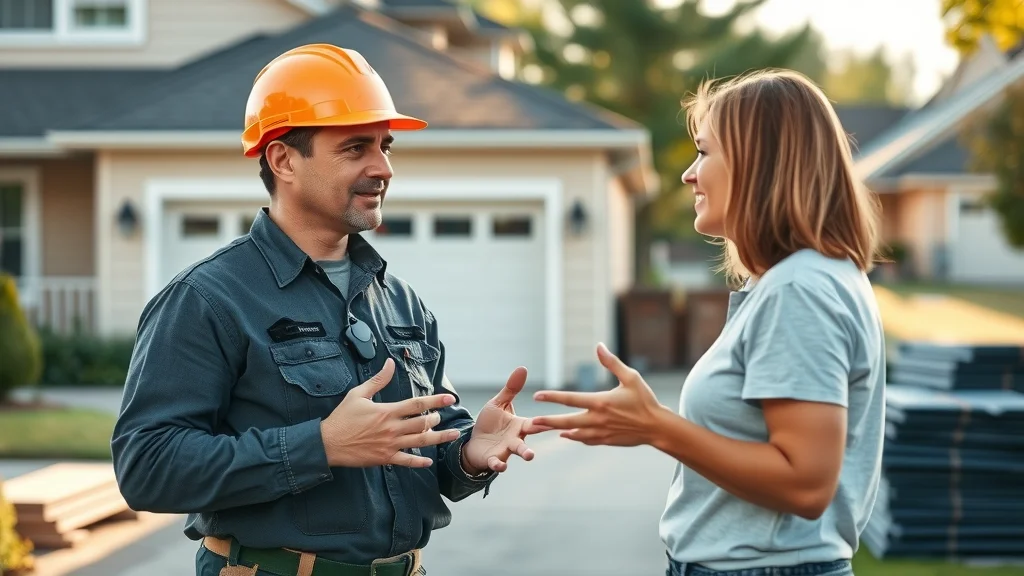
No matter your years in business, roofing language mistakes can instantly create barriers with clients. Downplaying your expertise—using phrases like “I think,” “maybe,” or “I guess this will hold up”—signals a lack of confidence. Slang such as “tar job,” “lay some felt,” or simply referring to the “roof edge” rather than the drip edge confuses clients and positions you as a cut-rate contractor instead of a roofing pro.
Poor explanations are another common problem. If you gloss over critical concepts like the roof deck, roof vent, or ice dam prevention, you miss opportunities to educate and impress. A contractor who says, “We’ll just use regular shingles,” versus one who explains, “We recommend a full architectural roofing system for superior longevity and energy efficiency,” is going to command higher trust and bigger contracts. This difference in language separates those who are seen as just another contractor from those regarded as true expert partners for roofing jobs.
Roofing Terms That Can Undercut Your Value
Highlight on roofing terms and roofing language mistakes seen in sales calls
Roofing slang versus industry-standard terms (Table)
Far too often, roofing contractors let go of their authority by relying on casual, “cheap-sounding” roofing terms during crucial conversations. The words you use during sales calls, proposals, and job site visits profoundly shape the perception clients have—not just of your brand, but of your entire bid’s value. For example, using the phrase “patch job” automatically signals that you see the work as temporary or inexpensive, while “roof replacement” or “full roofing system” carries both authority and assurance of quality.
Notice how the right terms not only educate your clients but also demonstrate your deep knowledge of roofing systems, roof deck structure, roof valley, and other essential components. Mastery of industry-standard roofing terms shows that you’re a professional who values accuracy and clarity over taking shortcuts.
Cheap-Sounding Term |
Professional Roofing Term |
Why the Right Choice Matters |
|---|---|---|
Patch job |
Roof repair / Full roof replacement |
Avoids perception of a temporary, low-value fix |
Shingles |
Architectural roofing system / Laminated shingles |
Highlights advanced technology and longevity |
Tar paper |
Underlayment / Synthetic underlayment |
Details the modern materials that prevent water infiltration |
Caulk it |
Seal joints with professional-grade flashing / Roof valley sealing |
Speaks to code-compliant installation, not just short-term patches |
Just replace |
Install a new roof system with ice dam protection, drip edge, and ridge cap |
Educates client on comprehensive, code-specific upgrades for longevity |

In this demonstration, you’ll see real-world client conversations where contractors slip into “cheap” terminology versus how true roofing pros handle the same questions with confidence, using industry-standard explanations. Callout annotations highlight exactly what to say to elevate your authority—and what language to cut immediately for maximum trust and credibility.
Price-Driven Words That Sabotage Your Roofing Job Pipeline
Phrases that signal ‘low price’ mindset to serious buyers
Impact on long-term authority, reviews, and referrals
Brand perception: Roofing contractor vs. roofing pro (with quotes)
When your sales pitch centers around affordability, you often attract clients who value price over quality—leading to a cycle of low-margin jobs, demanding expectations, and meager reviews. Phrases such as “We’re the cheapest,” “budget job,” or “quick, easy fix” tell buyers to focus exclusively on cost. Discerning property owners look for value, warranties, and expertise, not just discounts. Authority is lost instantly when your language signals desperation.
Reviews and referrals hinge not just on your craftsmanship but on how you position your service. One roofing pro told Valis Pro, “When I stopped trying to be the lowest bidder and started owning my value, I began closing jobs that paid what my work was worth—and clients respected it.” Focus on the proof, not the price; this subtle transition in language helps rewrite your entire roofing job pipeline for success.
Authority-Building Roofing Language for Roofing Contractors
"Proof, not price" doctrine – standing out from common roofing competitors
Practical phrases that communicate experience and professionalism
Guidance for client consultations: Explaining roof deck, roof vent, ice dam, drip edge, roof valley, and roofing job details with confidence
Valis Pro's core belief is clear: "Own your proof, or be owned by the lie that price decides everything." Authority-building language means showing clients that your expertise isn't about cutting corners—it's about knowledge, safety, durability, and return on investment. Begin every consultation by discussing systems, not just parts. Instead of “fixing leaks,” outline how your approach addresses the roof deck, roof vent for proper air flow, drip edge installation to prevent water infiltration along the edge of the roof, and the role of valley flashing and ridge cap in a complete roofing system.
Practical, expert phrases to strengthen your authority include:
“Our roofing systems are designed for long-term weather protection and energy efficiency.”
“We use laminated shingles and synthetic underlayment for superior performance.”
“You’ll have a full explanation of how ice dam protection, attic ventilation, and integrated drip edge come together to prevent water problems.”
“Let’s review your roof’s valleys and slopes to ensure every transition gets the correct flashing.”
roofing termsroofing pro

In this expert video breakdown, Valis Pro explains how strategic language shifts don’t just close more roofing jobs—they build reputation, boost reviews, and create a referral pipeline that outpaces even the strongest SEO campaign. Watch how subtle adjustments in terms change client body language, buy-in, and final decisions.
Critical List: Roofing Language Mistakes to Never Make
Saying “cheap,” “budget,” or “quick fix”—always triggers suspicion
Using slang (“patch job,” “tar it,” “felt”) instead of industry-standard roofing terms
Over-promising (“100% leak-proof forever!”) without technical backup
Vague answers about roof deck or roofing system details
Focusing conversation on discounts, not value or warranties
Using terms that downplay expertise (“I think,” “maybe,” “should be fine”)
Overusing “just”—as in “just shingles,” “just drip edge,” etc.
Fumbling technical questions (ice dams, ventilation, roof valley) due to lack of preparation
Avoiding written or visual explanations (neglecting diagrams and samples)
Never mentioning reviews, certifications, or long-term results
Positive alternatives to elevate your credibility:
“Our roofing system includes detailed water-shedding components for every roof edge and valley.”
“We use fully code-compliant underlayment, ridge caps, and valley flashing for a complete installation.”
“Let’s review the key roofing terms, so you feel confident in each decision.”
“Here’s what long-term client reviews say about our work—and what you can expect as well.”
“We perform a comprehensive assessment of your attic, roof slope, and ventilation before each job.”

How to Train Your Sales Team on Effective Roofing Terms and Roofing Contractor Authority
Role-playing scenarios with typical roofing language mistakes
Checklists and scripts for roofing contractors to refine communication
Continuous improvement: Using reviews and feedback to adjust language
Transforming your team’s communication habits takes more than a memo—it requires regular training and honest feedback. One effective method is role-playing: have team members act out sales scenarios, intentionally making and correcting roofing language mistakes, focusing on common missteps like muddled roof slope explanations, underplaying the value of a roofing system, or relying on price-oriented language. Checklists and scripts are indispensable tools, ensuring contractors always use up-to-date, professional terminology (never slang) when explaining roofing terms like ice dam, drip edge, roof valley, or roof vent during consultations.
Encourage continuous improvement by reviewing job feedback and online reviews. Identify praise for clarity or, equally important, criticisms of poor communication. Regularly update your team’s language scripts to reflect new roofing materials, changing building codes, and evolving client expectations. Over time, these incremental adjustments lead to brand authority that not only attracts high-quality leads but also retains the respect and loyalty of existing customers.
People Also Ask: How to Tell If a Roofer Is Lying?
Key language signs that a roofing contractor might not be genuine
Red-flag roofing terms and phrases every client recognizes
Tips to ensure transparency and build trust as a roofing contractor
Answer: How to Tell If a Roofer Is Lying
Evasive or non-committal language—such as "I'll have to check," "It's complicated," or "Don't worry about the details"—is a major warning sign. Authentic roofing contractors explain terms, processes, and proposals with clarity and specifics. If a contractor avoids detailed questions about the roof structure, roof deck, or material choices, they may be hiding a lack of experience or intent to cut corners. Genuine pros prioritize transparency, supplying written proposals, diagrams, and clear explanations of important components like roof vent, ice dam prevention, and the role of drip edge and roof valley.
People Also Ask: What Is Roofing Slang For?
Common roofing slang and its limitations for professional communication
Roofing language mistakes that arise from slang dependence
Answer: What Is Roofing Slang For?
Roofing slang—terms like "hot mop," "torch down," "felt," "patch job," or "ridge cap"—evolved for speed and convenience among crew members. However, slang often causes confusion with clients who expect clear, professional explanations. Relying on slang rather than standard roofing terms leads to misunderstandings and makes your proposals sound less credible. Replace jargon with explanations like “single-ply membrane” or "fully adhered roofing system" when describing options to clients.
People Also Ask: What Are Common Rafter Design Mistakes?
Connection between roofing language mistakes and misunderstood roof slope, roof deck, and roof valley concepts
Answer: What Are Common Rafter Design Mistakes?
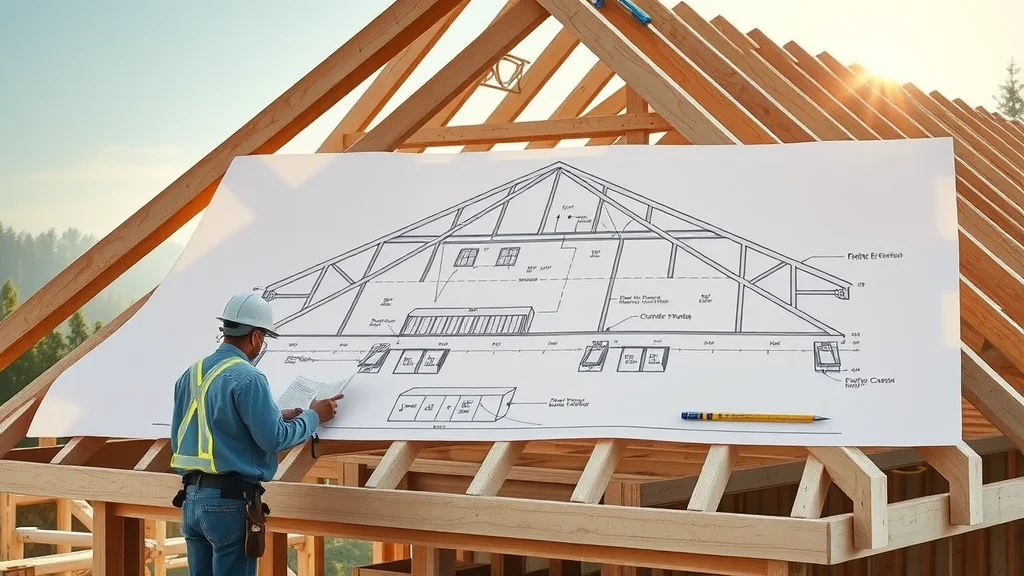
Communication errors often result in critical design flaws—such as misaligned rafter spacing, improper roof slope, or inadequate roof valley design. These mistakes are preventable when your team consistently uses correct roofing terms and provides detailed explanations of how each part (from roof deck to roofing nail) is installed directly, ensuring structural safety, water runoff, and a long-lasting roofing system. Make technical details part of every client conversation and internal training to reduce risk and build trust.
People Also Ask: What Are the Terms of a Roof?
Breakdown of core roofing terms: roof vent, ice dam, drip edge, valley flashing, etc.
Answer: What Are the Terms of a Roof?
-
Understanding roofing starts with a clear vocabulary. Here are key terms every roofing pro should explain to clients:
Roof Deck: The structural base, typically plywood or OSB, to which roofing material is attached.
Ice Dam: Buildup of ice at the roof edge that can cause leaks without proper attic ventilation and underlayment.
Drip Edge: Metal flashing installed along roof edges to prevent water infiltration and protect the edge of the roof structure.
Roof Vent: Components that allow air flow in the attic, preventing moisture buildup and ice dams.
Roof Valley: Internal angles formed where two roof slopes meet, requiring specialized valley flashing to prevent water infiltration.
Valley Flashing: Metal installed where roof valleys meet, directing runoff safely.
Confident explanation of these terms during a roofing job proposal instantly positions you as a trusted expert.
Top FAQs About Roofing Language Mistakes and Roofing Contractor Communication
How can I improve my team’s roofing language?
Invest in role-playing, create simple scripts that replace slang with standard terms, and reinforce with jobsite feedback and review cycles.What are the worst words to use in a roofing job proposal?
Words like “cheap,” “patch job,” or “just tar paper” erode authority and make proposals sound risky and incomplete.Why do reviews often mention communication issues with roofing contractors?
Inconsistent language, unclear explanations, and lack of written support drive client confusion, negative reviews, and lost deals.Should I use technical roofing terms with homeowners?
Use industry terms, but always explain them in plain English—this positions you as both knowledgeable and transparent.How can roofing language mistakes affect my reviews and reputation?
Poor language drives distrust, stalls the sales process, and increases the chances of negative online reviews and weak referrals.
Key Takeaways: Mastering Roofing Language for Lasting Authority
Your words shape perception—avoid common roofing language mistakes
Educate every client with clear, confident explanations using industry-standard roofing terms
Transition from roofing contractor to respected roofing pro and grow your pipeline

Conclusion: Elevate Your Brand by Avoiding Roofing Language Mistakes
Recap: How correcting roofing language mistakes boosts authority, pricing power, and lead quality
Valis Pro’s final word: Own your proof—don’t let cheap language cost you great clients
Ready to level up? Schedule a personalized communication audit with Valis Pro today!
By mastering your language, you build a roofing brand that commands respect, premium pricing, and quality clients. Transform your team and your market position—let your proof be the story, not your price.
In the roofing industry, the language you use can significantly impact your credibility and the quality of clients you attract. To enhance your professionalism and avoid common pitfalls, consider the following resources:
“Top 3 Rookie Mistakes in Roofing Sales” (blog.theroofstrategist.com) discusses how speaking too quickly and being overly verbose can overwhelm potential clients, leading to miscommunication and lost sales.
“Top 5 Marketing Mistakes Roofing Contractors Make” (roofinginsights.com) highlights the importance of clear and specific company naming, emphasizing that including “roofing” in your business name can enhance online visibility and attract more targeted leads.
By refining your communication strategies and ensuring your business identity is clear and focused, you can position yourself as a trusted professional in the roofing industry.

Write A Comment