
Add Row
Add Element
cropper
update

[Company Name]

update
Add Element
  • Home
  • Subscribe
  • Contact Us
  • Categories
    • Authority & Positioning
    • Reputation
    • Lead Generation
    • Visibility & Discovery
    • Content & Media
    • Funnels & Conversion
    • Brand Voice
  • All Posts
  • Authority & Positioning
  • Reputation
  • Lead Generation
  • Visibility & Discovery
  • Content & Media
  • Funnels & Conversion
  • Brand Voice
December 26.2025
1 Minute Read

The Difference Between More Leads and Better Outcomes

Ever felt overwhelmed chasing countless leads but watching few convert? It’s not just about quantity; mastering roofing conversion control transforms potential into profit, turning efforts into tangible success. Discover why focusing on quality over numbers changes everything for your business.

Introduction: Why Roofing Conversion Control Matters to Roofing Contractors

In today’s roofing industry, the old game of “just get more leads” is over—and for good reason. Many roofing contractors are stuck in an expensive cycle of chasing numbers, only to end up with a phone full of tire-kickers and a roster of low-profit, high-drama jobs. With expenses rising on roofing materials, stricter building codes, and clients insisting on deals found with a swipe, the highway to business burnout is more crowded than ever. Savvy owners realize real growth comes from mastering roofing conversion control: focusing on the right leads, proving trust, and building an authority-based pipeline. This isn’t theory—it’s the difference between being trapped on price and seizing sustainable, high-quality outcomes.

roofing conversion control - professional roofing contractor reviewing digital plans atop suburban roof
"Own your proof, or be owned by the lie that price decides everything." — Valis Pro

Ever Felt Overwhelmed by Too Many Leads? The Real Cost of Chasing Numbers

Every ambitious roofing business hits the wall: after spending heavily to fish in every lead pool (online listings, Angi, cold calls, even door-knocking), inboxes overflow, but jobs booked remain flat—or worse, profitability drops. There’s a hidden cost to “lead hoarding”: wasted time on dead-ends, drive-by estimates, and chasing clients playing price roulette. Even your best account manager can’t deliver when the pipeline is cluttered with poor-fit prospects. The endless hustle makes it nearly impossible to build authority, get stellar reviews, or leverage content marketing—all vital for future roofing conversion control. If this is your reality, you’re not alone, but you don’t have to stay here.

What You'll Learn in This Guide to Roofing Conversion Control

  • How to shift from lead chasing to outcome optimization
  • Ways to build lasting authority in the roofing business
  • Actionable steps for improving client quality and long-term ROI
  • Essential marketing strategies exclusive to the roofing industry
  • Common pitfalls and expert fixes for conversion control

Understanding Roofing Conversion Control: Key Concepts & Industry Context

Defining Roofing Conversion Control for Modern Roofing Businesses

Roofing conversion control is more than a buzzword—it’s the strategic discipline of transforming high-potential leads into profitable, loyal clients using authority, proof, and streamlined processes. For today’s roofing contractor, it means deliberately shifting focus from pure lead volume toward building a reputation that naturally attracts top-tier clients. This involves developing content that positions you as the go-to expert, leveraging reviews for social proof, and using cutting-edge roofing software for measurable outcomes. In short, it’s the backbone of a truly successful roofing business.

roofing conversion control - modern roofing business team reviewing conversion data on digital screen

How Flat Roof and Roof Pitch Affect Roofing Conversion Metrics

Specialization shapes outcomes. Roofing businesses focusing on flat roof installations or steep roof pitch projects experience drastically different buyer profiles and sales cycles. For example, flat roofs are common in commercial projects with longer decision processes, more complex roof measurements, and greater need for technical authority. Residential customers often care about aesthetics and quick turnarounds, especially with dramatic roof pitch or designer roofing materials like asphalt shingle. Understanding these differences allows you to tailor messaging, demonstrate expertise in calculating roof pitch, and price confidently. Adjusting your conversion strategies for each roof type—by emphasizing unique skills, documenting material order accuracy, and showing mastery of building codes—positions your company above “lowest price” rivals.

Why Roofing Contractors Must Prioritize Quality Over Lead Volume

roofing conversion control - roofing contractors comparing mass lead lists to a satisfied client

Chasing every potential job is a fast path to exhaustion—and it’s the #1 reason why most roofing contractors struggle with client control. High lead volume without conversion control means stretching resources thin, running from job to job, and earning little credit for excellence. Instead, focusing on attracting, qualifying, and delighting “ideal” clients results in better reviews, referrals, and profitability. When you master roofing conversion control, you only spend time on jobs where you can truly deliver value, stand out from price-driven competition, and foster customer satisfaction that powers your reputation. Ultimately, quality over quantity is what enables roofing businesses to thrive—and command higher margins—even during market shifts.

How Roofing Industry Trends Impact Your Conversions

The roofing industry is changing fast. Digital transparency means prospects can compare any roofing contractor in seconds, check reviews, and verify credentials online. Meanwhile, regulatory demands such as building codes and advancements in roofing materials push up client expectations. Contractors who adapt, building authority through content, reviews, and proof of past success, rise above “race to the bottom” pricing. Those who lag behind, relying solely on old referral networks or lead-selling platforms, face declining conversion rates and reputational vulnerability. Successful roofing conversion control means staying attuned to these trends, consistently positioning your expertise, and leveraging new digital tools to prove your value before a client ever calls.

Roofing Business Lead Generation vs. Roofing Conversion Control

Lead Generation Explained: Common Strategies and Their Limitations

roofing business lead generation - marketing manager analyzing digital leads for roofing conversion control

Lead generation is familiar territory for most roofing contractors: SEO, HomeAdvisor, Angi, local ads, Google PPC, social media, and even door-to-door sales. Each promises more calls, more quotes, more “opportunity.” But here’s the catch—most leads from mass lists lack quality, urgency, or authority alignment. Instead, you end up guessing who’s a real prospect, negotiating on price, and bleeding time on fruitless estimates. This scattershot approach undermines your ability to manage customer data efficiently, erodes team morale, and blocks you from distinguishing your brand in a crowded market. In contrast, roofing conversion control means tuning your entire operation to win—and keep—only the right jobs, not the most jobs.

Why Roofing Conversion Control Drives Long-Term Roofing Business Success

Real roofing business growth isn’t about the number of leads—it's about how many you convert into great clients who pay well, refer you to others, and leave glowing reviews. Roofing conversion control shifts focus from “activity” to “outcome.” You invest in smart qualification, showcase authority proof, follow up with precision, and prioritize customer satisfaction above all. Over time, this creates a self-reinforcing loop: better jobs, stronger margins, and a reputation that draws top-tier leads naturally. With the right systems—like a roofing-specific CRM and automated content pipelines—you spend less time fixing mistakes and more time growing profitably.

Comparison of High-Volume Lead Chasing vs. Roofing Conversion Control
Strategy Pros Cons Long-Term Impact
High-Volume Lead Chasing More activity, occasional large jobs Poor lead quality, wasted time, price wars, low customer satisfaction Burnout, reputation erosion, inconsistent profits
Roofing Conversion Control Stable pipeline, better clients, higher ROI Upfront work to build authority, may feel slower at first Reputation growth, sustainable profits, less time wasted

Authority Marketing: The Foundation of Roofing Conversion Control

Content, Reviews, and Proof: Building Trust in the Roofing Industry

roofing conversion control - contractor celebrating client satisfaction after roof project

Trust isn’t claimed—it’s earned, and in roofing, that means providing proof at every turn. Authority marketing begins with producing clear, helpful content: blog posts, videos explaining roofing materials or how to calculate the roof pitch, and visual galleries of past projects. Crowning these assets are positive reviews and testimonials showing how you outperformed on technical knowledge, material order accuracy, and secure payment handling. When your authority is visible, prospects stop seeing you as “just another bid” and start trusting you to solve their problem. Conversion control is only possible when your marketing ecosystem convincingly answers, “Why you, not the cheapest option?”

Standing Out from Roofing Contractors Battling on Price

Too many roofing contractors race straight to the bottom, cutting prices to “stay competitive.” But price-only pitches attract the very clients most likely to demand change orders, complain about minor issues, or skip payments. Authority marketers break the cycle. They focus on building a brand—demonstrating knowledge of roofing material lifespans, mastery of the latest asphalt shingles or new flat roof membranes, and delivering on every building code requirement. The result? Word-of-mouth referrals, glowing online reviews, and fewer time-draining disputes. As Valis Pro says, “Own your proof, or be owned by the lie that price decides everything.”

The Role of Customer Satisfaction in Roofing Conversion Rates

  • Review management best practices
  • Building authority to combat reputation issues
  • Using roofing materials knowledge to establish expertise

“Customer satisfaction” isn’t just a marketing metric—it's the foundation of profitability. Satisfied roofing clients do more than pay; they become referral engines and recurring sources of reputation. The leading roofing businesses proactively request reviews, respond to feedback, and showcase real results—especially on challenging flat roof or high roof pitch projects. When issues arise, transparency and expertise convert even critics into advocates. High conversion rates follow naturally as proof replaces doubt.

Digital Tools for Roofing Conversion Control: From Roofing Software to Mobile Apps

How Roofing Software Streamlines Conversion Processes

roof measurement mobile app - roofer using software to save time and improve conversion control

Roofing software is the linchpin of modern conversion control. By digitizing lead management, automating follow-ups, and integrating roof measurement and estimation tools, you eliminate error and save valuable time. Using a purpose-built mobile app, techs can upload photos, collect digital signatures, and showcase 3D project plans on-site. This seamless experience builds confidence with homeowners and speeds the path from inquiry to closed contract. With centralized customer data and mobile device access, your team never loses track of high-value prospects or critical project info—keeping your conversion rates and customer satisfaction high.

Integrating Flat Roof and Roof Measurement Tools

Accurate roof measurement is vital for both flat roofs and steep-pitch jobs. Integrated tools allow you to quickly calculate roof pitch, surface area, material needs, and even rafter length for complex designs. This eliminates costly mistakes in material orders, ensures precise quotes, and cements your reputation as a detail-focused contractor. Whether you’re quoting for a massive flat roof or tackling an intricate Victorian slope, fast digital measurements drive conversion by proving technical authority and project management savvy in front of the client.

Mobile App Features that Save Time and Boost Client Satisfaction

Today’s best mobile apps go well beyond basic scheduling. Imagine pulling up roof measurement diagrams, tracking past work, and securely processing client payments—all while standing on site. Time-saving automation (like proposal generation and instant material order pulls) means less paperwork, fewer errors, and more time for high-impact conversations. The payoff? Reduced admin overload, faster job closeouts, and client experiences that drive repeat business and 5-star reviews.

Demonstration of Roofing Conversion Control Software in Action

The Psychology of High-Quality Roofing Leads

Understanding Buyer Intent in the Roofing Business

roofing business buyer intent - client browsing contractor website for conversion control

Great leads aren’t simply “people who need a roof”—they’re clients genuinely ready to buy, commit, and recommend. High-quality buyers are actively researching, comparing authority (not just price), and seeking proof of expertise. In practice, this means your website, content, and follow-ups must answer questions like: “How do I calculate the roof pitch for my project?”, “Which roofing materials last longest?”, or “How does this contractor handle building code compliance?” Understanding buyer psychology—anticipating objections, providing value before asking for the sale—enables you to guide prospects smoothly from research to signed contract, driving real roofing conversion control.

From Junk Leads to Ideal Clients: How to Use Roofing Conversion Control Psychology

Eliminating junk leads starts with better qualification and messaging. By emphasizing your technical strengths (for example, detailing your expertise with complex flat roof projects or specific roof pitch angles) and sharing real customer satisfaction stories, you attract prospects who value expertise—not just the lowest bid. Nail this, and you’ll see fewer price shoppers, more informed clients, and a higher percentage of “dream jobs” in your funnel. In essence, smart roofing conversion control flips the script: you spend less time chasing, and more time delivering—and profiting.

"Reputation and real results outlast the race to the bottom on price." — Valis Pro

Step-by-Step Guide: How to Implement Roofing Conversion Control

  1. Audit your current roofing business marketing
  2. Revise digital assets for authority and trust
  3. Integrate advanced roofing software
  4. Develop a content pipeline for proof
  5. Remove lead sources that waste your time

Case Studies: Roofing Businesses Winning with Roofing Conversion Control

Flat Roof Specialists: Authority-Based Client Pipeline
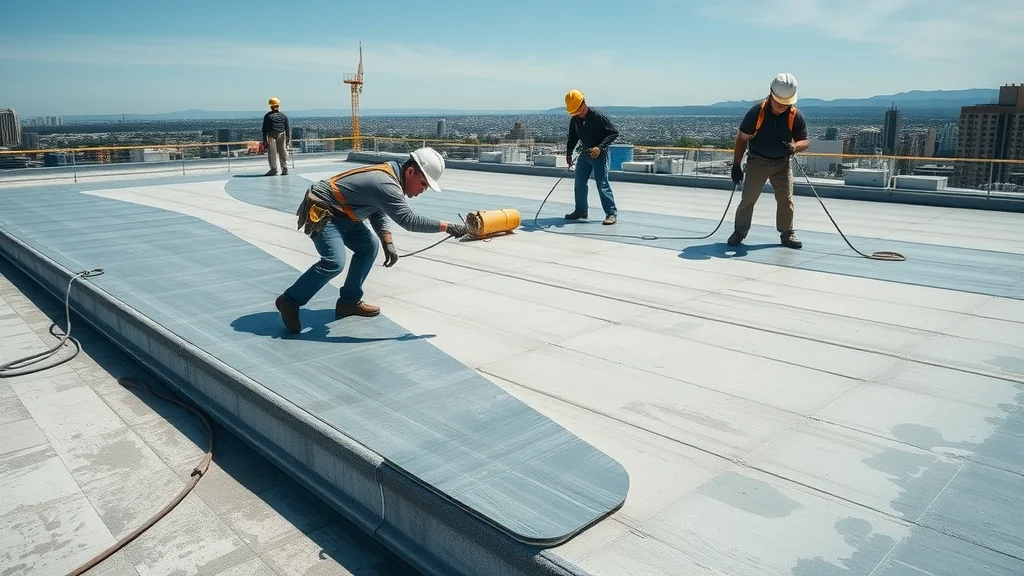
flat roof specialist - installing waterproof membrane, city backdrop, demonstrating authority marketing

A leading commercial flat roof company shifted from chasing every online lead to building inbound authority via expert guides, YouTube walkthroughs, and customer interviews. In 18 months, their job mix transformed from 60% low-bid, scattered work to 80% referral-driven clients seeking technical mastery. Their conversion rate on high-complexity jobs doubled after proof-driven content became central to their marketing. Team morale soared as repeated “dream client” experiences replaced churn-and-burn.

Roof Pitch Experts: Transforming SEO Confusion into Measurable ROI

A regional roofing contractor focused on steep-slope residential work struggled against bigger players and SEO confusion. By investing in a proof-driven blog series on “how to calculate the roof pitch,” sharing real stories about asphalt shingles performance and code compliance, and purposefully requesting review feedback, their authority surged. Within a year, their web inquiries started referencing these topics—resulting in pre-qualified, motivated clients and far less time spent on cold estimates. Measurable ROI appeared as both conversion rate and customer value climbed quarter-over-quarter.

From Angi-Dependency to Roofing Business Independence

One mid-sized roofing business weaned itself off Angi and other lead-sellers by ruthlessly segmenting “junk leads” and reinvesting in their own website, branded video content, and a roofing software stack for tightly managed follow-up. The reward: reviews tripled, reputation insulated them from negative SEO, and payment disputes dropped sharply thanks to improved proof and clearer terms upfront.

Before and After: Key Metrics Summary
Company Situation Challenge Outcome
Flat Roof Pro, LLC All-in on paid leads, low authority Poor job quality, price-driven clients +120% high-value inquiries, 5-star review surge
Peak Pitch Roofing SEO confusion, slow web leads Low conversion, few qualified calls ROI-above 3x, 50% more conversion, better jobs
EverSecure Roofing Angi/third-party lead reliance Junk leads, reputation risk Brand independence, review velocity up 200%

Top Mistakes by Roofing Contractors: What Undermines Roofing Conversion Control

  • Reliance on price-based competition
  • Ignoring building codes and material order accuracy
  • Underestimating content-driven authority
  • Neglecting secure payment processes

How to Future-Proof Your Roofing Business with Roofing Conversion Control

Building a Reputation that Attracts Top-Tier Roofing Leads
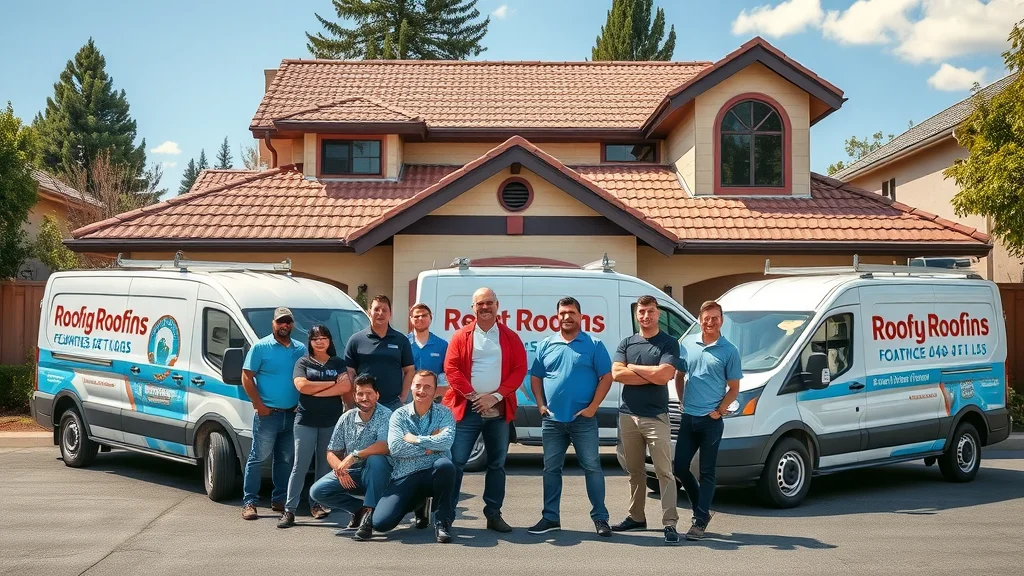
roofing conversion control - team brand image with newly roofed homes and branded vans

Future-proofing starts with strategic authority. Consistently showcase outstanding projects, display client testimonials, and publish expert guides explaining materials, roof pitch, and code compliance. Your brand becomes an “attractor” for the best clients—those who want results and are happy to pay for skill. This proactive reputation-building cements trust before the first call and blunts competition from price-focused rivals.

Staying Ahead of Roofing Industry Shifts with Strategic Branding

With the roofing industry evolving, only brands with strong digital footprints, clear authority, and adaptable messages will thrive. Monitor trends: new roofing materials, eco options, smart home expectations, and changing roof pitch requirements. Build a brand that signals innovation and reliability to prospects—consistently updating your content and technology stack to match modern client needs.

Long-Term Pipeline Control and Sustainable Growth

The reward for mastering roofing conversion control is more than higher conversions—it’s a business that grows consistently year over year, powered by organic referrals, repeat clients, and insulated from outside platform risks. Embrace proof, focus on ideal clients, and leverage digital tools to maintain a steady, high-quality pipeline that outpaces market cycles.

Key Takeaways: Roofing Conversion Control for Real-World Outcomes

  • Quality beats quantity for roofing conversions
  • Authority and proof drive sustainable business
  • Implementing the right tools and mindset changes everything

FAQs: Roofing Conversion Control in Practice

What is a roof CRM cost?

Roof CRM pricing varies based on features, number of users, and integration needs, typically ranging from $30 to $300 per month for most roofing businesses using leading platforms.

What is a roof conversion?

In the roofing industry, a "roof conversion" often refers to changing a flat roof to a pitched or sloped one or vice versa, and in a sales context, converting a lead into a customer.

What is the best CRM for roofing companies?

The best CRM for roofing companies depends on business needs, but popular options include JobNimbus, AccuLynx, and Salesforce, all of which streamline roofing conversion control and lead management.

Is a 12 12 roof 45 degrees?

Yes, a 12:12 roof pitch equates to a 45-degree angle, commonly used for steep-slope roofing projects.

People Also Ask: Roofing Conversion Control Questions

How much does a roof CRM cost?

Answer: Roof CRM pricing varies based on features, number of users, and integration needs, typically ranging from $30 to $300 per month for most roofing businesses using leading platforms.

What is a roof conversion?

Answer: In the roofing industry, a 'roof conversion' often refers to changing a flat roof to a pitched or sloped one or vice versa, and in a sales context, converting a lead into a customer.

What is the best CRM for roofing companies?

Answer: The best CRM for roofing companies depends on business needs, but popular options include JobNimbus, AccuLynx, and Salesforce, all of which streamline roofing conversion control and lead management.

Is a 12 12 roof 45 degrees?

Answer: Yes, a 12:12 roof pitch equates to a 45-degree angle, commonly used for steep-slope roofing projects.

Conclusion: Take Control of Roofing Conversion—Start Building Better Outcomes Today

Don’t let lead overload dictate your reputation or profitability. Master roofing conversion control today—embrace proof, authority, and strategic growth for a roofing business that thrives, no matter what the market brings.

"You don’t need more leads—you need more proof and control. Roofing conversion control transforms marketing, client quality, and profits." — Valis Pro

Discover How Valis Pro Elevates Roofing Conversion Control

  • Ready to stop chasing junk leads? Request a free roofing conversion control assessment from Valis Pro!

To enhance your understanding of roofing conversion control, consider exploring the following resources:

  • “12 Website Conversion Tips for the Roofing Industry” offers practical strategies to optimize your roofing website for higher conversion rates, focusing on effective calls to action and reducing conversion friction. (contractorcalls.com)

  • “Google Ads Agency for Roofing Companies” provides insights into leveraging Google Ads to generate quality leads, emphasizing targeted campaigns and landing page optimization. (max-conversion.com)

These resources offer actionable advice to refine your lead generation and conversion strategies, ultimately leading to better business outcomes.

Funnels & Conversion

0 Views

0 Comments

Write A Comment

*
*
Related Posts All Posts
12.26.2025

The Silent Conversion Leaks Hidden Inside Most Roofing Websites

Many roofing businesses unknowingly lose customers due to hidden conversion leaks on their websites. It’s frustrating to invest in a site that doesn't perform—understanding and fixing these leaks can transform your client base and boost your profits. Don’t let silent losses rob your roofing company’s potential. Welcome to a guide that will help you spot, diagnose, and repair the roofing conversion leaks costing your company quality leads, higher margins, and a stellar reputation. Discovering Roofing Conversion Leaks: Why Most Roofing Websites Sabotage Their Own Success Roofing conversion leaks are invisible gaps in your online marketing funnel—small mistakes or omissions that quietly chase away potential clients, long before you ever see their names on your lead list. As the roofing industry becomes more competitive, websites must work harder to stand out and convert high-quality leads. Yet, most commercial roof and loft conversion businesses focus on design or SEO hacks while ignoring real conversion bottlenecks. The result? Price competition, low-value jobs, and dependency on third-party platforms that control your pipeline. In this guide, we examine why these leaks happen, how they affect your bottom line, and what you can do to reclaim lost opportunities. We’ll walk through common website mistakes, showcase powerful content strategies, and reveal psychological factors influencing buyer decisions. If you’re tired of fighting on price or frustrated by junk leads, the solution starts with understanding and fixing your roofing conversion leaks. How to identify silent roofing conversion leaks Practical strategies for fixing website bottlenecks Insider insights for building authority and attracting quality leads The impact of conversion leaks on your roofing business profits Leveraging content and reviews for long-term growth The Cost of Roofing Conversion Leaks: Real Business Losses, Real Pain Understanding Roofing Conversion Leaks in Modern Roofing Websites Hidden roofing conversion leaks on your website act like undetected roof leaks in a building: everything seems fine on the surface, but significant damage is occurring out of sight. These issues often start in the user journey—where potential clients land on your homepage but rapidly lose trust because of missing reviews, slow-loading images, or jargon-heavy service descriptions. When visitors can’t quickly find proof of quality or authority, they bounce—leaving commercial roof leak contractors fighting over the same pool of price shoppers. Common conversion company pitfalls include neglecting the strategic flow of the site, overlooking trust signals, and underestimating the power of well-placed testimonials. Most roofing pros are unaware of these leaks until they notice a drop in inquiries or a spike in tire-kicker leads. Failing to address these weaknesses leads to financial pain: price competition, unreliable lead streams, and reliance on directories like Angi or HomeAdvisor. Hidden roof leak triggers in your user journey Consequences: price competition, junk leads, reliance on third parties Why most commercial roof and loft conversion companies overlook conversion bottlenecks "Conversion leaks are the silent killers of authority and profit for roofing contractors." – Valis Pro Team Common Website Mistakes That Cause Roofing Conversion Leaks User Experience Errors and Commercial Roof Leak Blind Spots Even the most visually impressive commercial roof leak websites can fall victim to simple but damaging mistakes. Confusing calls-to-action—like using industry terms such as pipe boot or roof flashing—alienate non-expert clients. Pages loaded with technical terms rather than plain-language explanations lose the average homeowner or commercial property manager fast. Add to that slow-loading sites (often due to large galleries of past roof repair jobs) and layouts that don’t function on mobile, and you’re facing serious roofing conversion leaks. Trust is often undercut by missing or outdated customer reviews. When prospects can’t find proof of real results with commercial roof or loft conversions, they shop elsewhere. Websites that fail to address common questions—such as insurance for roof leaks or cost of roof repair—cause unnecessary doubts. Every small roadblock nudges the visitor to hit “back” and check the next roofing pro in the search list. Confusing calls-to-action Overuse of technical jargon (pipe boot, roof flashing) Slow site speed and mobile-unfriendly layouts Trust-sapping elements and review gaps Watch: How Small UX Tweaks Stop Roofing Conversion Leaks (Video Guide) Diagnosing Your Roofing Conversion Leaks with Real-World Examples Case Studies: Commercial Roof Leak Funnels vs. High-Authority Converters Real-world examples reveal that commercial roof leaks often begin with poorly structured landing pages or confusing navigation. Companies stuck in a “lowest price wins” mindset tend to have websites that lack authority-building content—such as in-depth case studies, before/after photos, or authentic testimonials. By contrast, high-performing sites guide users through a clear value proposition, showcase expert results on commercial roof projects, and make contacting the roofing pro simple and reassuring. A common funnel breakdown starts with visitors attracted by local SEO but lost due to a lack of trust factors. The top five silent leaks seen on modern roofing sites include unclear calls-to-action, weak service differentiation, absence of authority signals (reviews, photos), confusing quote forms, and missing answers to common roofing problem queries. See how content and UX combine to create either a leak-prone funnel or a conversion-optimized pathway. Where commercial roof leaks occur in the funnel Video walk-through: Screen recording of a conversion breakdown Quick list: The top 5 silent leaks found on modern roofing pro sites "If you’re competing on price, you’re already losing the content game." – Valis Pro Doctrine The Role of Content: Fixing Roofing Conversion Leaks and Building Authority Content Strategies That Repair Common Roof Leak Traps Targeted, strategic content addresses and fixes roofing conversion leaks by educating, reassuring, and guiding prospective clients. Authority-driven case studies—detailing successfully completed commercial roof leak projects or complex loft conversions—demonstrate professional expertise and outcomes. Adding a steady stream of customer reviews and video testimonials builds immediate trust. The best content directly answers common roofing problem fears and objections. Frequently asked questions are a must, as is clear, non-technical language when explaining roof repair or insurance scenarios. Decide on long-form or short-form formats based on your market: commercial property managers tend to prefer detailed documentation, while homeowners want clarity with visual proof. Deliver both where possible to strengthen your authority and plug leaks before they form. Authority-driven case studies (commercial roof, roof leaks, loft conversion) Trust signals: reviews, testimonials, credentials FAQs addressing real roofing problems and pain points Long-form vs. short-form: what your market expects Table: Comparing Content Types to Address Roofing Conversion Leaks Content Element Leak Fixed Impact on Conversions Case Study Price Focus High Review/Testimonial Trust Lacking Very High Video Walkthrough Unclear Process Moderate FAQ Section Buyer Uncertainty Moderate Conversion Psychology: What Your Roofing Clients Really Want Addressing Common Roof Leak Fears With Strategic Authority-Building Buyers facing roofing problems—whether a recurring roof leak or a major commercial roof project—crave reassurance. Understanding their pain points is essential: they want to avoid unexpected costs, callbacks, and unreliable contractors. Perceived expertise and transparency—demonstrated through detailed case studies and video walkthroughs—give confidence that your roofing pro team can deliver the promised results. Trust is far more powerful than price. By focusing on authority-building—sharing proof of successful roof repairs, customer stories, and clear process explanations—you shift the buyer’s focus away from cost and toward value. Authority content, not discounts, wins over premium clients and builds a long-term business pipeline, reducing reliance on leads that only care about the lowest bid. Understanding pain points: why roofing problem solutions matter How perceived expertise and transparency help convert commercial roof leads Building trust versus price shopping: proof beats price every time SEO and Roofing Conversion Leaks: Optimizing for Visibility AND Quality Tactical Guide: Repairing SEO Issues That Drive Away Quality Leads Effective SEO brings the right eyes to your roofing website, but without conversion-minded design, you’re wasting valuable clicks. Start by targeting relevant roof repair and roof leaks keywords on every core service page, and confirm that your business is geo-positioned via local search (Google Business Profile, niche directories, and neighborhood reviews). Avoid keyword stuffing: modern search is about user intent and answering real questions about commercial roof leaks, loft conversions, and urgent roofing problems. Enhance visibility by embedding local references and project-specific imagery. For example, feature local case studies and before/after galleries of actual commercial roof leak repairs. Optimize site speed, make sure your web design is mobile-first, and regularly audit for broken links, missing metadata, and outdated information that drain SEO authority over time. On-page SEO for roof repair and roof leak keywords Local rankings: geo-positioning commercial roof and loft conversions Avoiding keyword stuffing; focus on user intent for roofing pro searches Real-World Checklist: Eliminating Roofing Conversion Leaks for Good Step-By-Step Fixes for Every Commercial Roof Leak on Your Website Ready to plug every hidden leak? Use this actionable checklist to ensure your roofing website attracts, reassures, and converts quality leads efficiently and consistently. The key is to treat every website element as either a potential leak source or a conversion booster. Identify conversion leaks using analytics Audit user journeys for friction Update commercial roof conversion elements Add trust signals, authority content, and reviews Test lead forms and CTAs for clarity Monitor results and refine monthly Authority and Proof: Creating a Reputation That Outlasts Roof Leaks Why Reviews, Local Authority, and Content Win Over Price To outlast competitors and avoid roofing conversion leaks, your company must consistently showcase real proof. Publish documented results of roof repair and commercial roof leak fixes, including before/after photos and video testimonials. Highlight certification, insurance backing, client endorsements, and successful loft conversions to attract premium leads uninterested in low-ball bids. Content-driven authority is the best insurance against the race-to-the-bottom pricing trap. Building reputation with documented results (roof leak, commercial roof, loft conversion, roof repair) Content-driven authority that attracts premium clients Elements of Authority That Stop Roofing Conversion Leaks Proof Element Example Impact Before/After Photos Roof leaks fixed – photo gallery High Video Testimonials Client review video Very High Detailed Case Study Commercial roof leak project High People Also Ask: Expert Answers to Roofing Conversion Leaks Questions How to fix a leaky convertible roof? Answer: To fix a leaky convertible roof on a car, inspect seals and replace weather strips; for property, ensure flashing and pipe boots are intact, and repair roofing material as necessary using pro-grade solutions. Will insurance pay for a new roof if it's leaking? Answer: Insurance typically covers roof leaks caused by covered perils (like storms), but may not cover leaks due to neglect or old age. Documentation and a professional roof inspection are essential for a successful claim. How much does it cost to get a roof resealed? Answer: Resealing costs vary by roof type and size; on average, expect $500–$2,000 for residential, with commercial roof resealing ranging higher based on square footage and materials. Are roofers responsible for leaks? Answer: Roofers are responsible for leaks related to workmanship within the warranty period. Always choose licensed roofing pros and review contracts for details on post-installation support. Common Roofing Conversion Leaks: FAQs for Roofing Contractors How do I know if my commercial roof has conversion leaks? Signs include declining high-quality leads, increase in price-shoppers, excessive drop-off rates on your website funnel, and little to no engagement on authority content. Use analytics and track customer journeys to pinpoint exactly where potential clients exit your site. If users are landing but not reaching your booking or quote forms, you likely have roofing conversion leaks needing immediate attention. What are the most overlooked website elements causing roofing conversion leaks? Most contractors ignore weak calls-to-action, lack of up-to-date reviews, confusing navigation, mobile-unfriendly layouts, and missing proof of completed work (before/after roof leak repairs, detailed case studies, or video testimonials). Even minor elements like slow loading times or technical jargon (e.g., pipe boot, roof flashing) can create enough friction to drive away premium leads. Can content marketing actually stop price shoppers and improve quality of leads? Absolutely. Strategic content—like expert guides, case studies, and reviews—builds authority, attracts clients looking for expertise over cost, and reassures them of your quality. The right content speaks directly to fears and questions, positioning your business as a trusted advisor rather than just another contractor competing on price. Why is authority so vital to converting ideal roofing clients? Authority signals—reviews, credentials, case studies, proof photos—reduce buyer uncertainty and establish expertise in the mind of your prospect. In the crowded roofing market, being perceived as the most trusted roofing pro outsells being perceived as the cheapest, leading to a sustainable and profitable client pipeline. Should I focus on local SEO or paid ads to reduce conversion leaks? Start with local SEO. Optimizing Google Business Profile and service area keywords for commercial roof and loft conversions brings steady organic leads with higher trust. Use paid ads strategically—only once your website is fully conversion-optimized—so you don’t pay to send traffic through a leaky funnel. What are the easiest website fixes to improve roofing conversion rates immediately? Updating calls-to-action, adding recent reviews, ensuring mobile compatibility, improving load speed, and showcasing recent projects with visual proof are simple, high-impact fixes. Audit every touchpoint to ensure your authority and value come across at every stage of the user journey. Key Takeaways: Closing the Gap on Roofing Conversion Leaks Roofing conversion leaks are invisible profit drains Authority, proof, and content are the best remedies Strategic website updates deliver long-term results Valis Pro helps roofers take control of their pipeline Ready to End Roofing Conversion Leaks? See What Authority Marketing Can Do for Your Business. Don’t let silent conversion leaks undermine your next big project—take ownership of your leads, authority, and reputation. Contact Valis Pro today and discover how true authority marketing can transform your business pipeline. To further enhance your understanding of roofing website conversion optimization, consider exploring the following resources: “9 Website Tweaks That Turn Roofing Visitors into Real Paying Leads”: This article outlines practical adjustments to improve site speed, mobile responsiveness, and trust signals, all aimed at increasing conversions. (negup.com) “7 Effective Strategies to Boost Roofing Website Conversions”: This piece delves into clear calls-to-action, lead capture forms, and interactive features to engage visitors and convert them into leads. (bighomeprojects.com) If you’re serious about optimizing your roofing website’s performance, these resources offer valuable insights and actionable strategies to help you achieve higher conversion rates.

12.20.2025

Why Turning Away the Wrong Roofing Jobs Increases Profit

Every roofing contractor has faced a job that felt more like a burden than a benefit. Embracing a roofing disqualification strategy means courageously saying no to unprofitable projects, ultimately boosting your profits and peace of mind. Knowing when to turn away is the key to sustainable success in the roofing industry. In this in-depth guide, you’ll discover why turning away the wrong roofing jobs isn’t a loss—it’s a direct path to higher margin, stronger authority, and a business pipeline full of ideal clients who value your expertise. Introduction: The Power of a Roofing Disqualification Strategy Every roofing contractor has faced a job that felt more like a burden than a benefit. Embracing a roofing disqualification strategy means courageously saying no to unprofitable projects, ultimately boosting your profits and peace of mind. Knowing when to turn away is the key to sustainable success. In a market crowded with competitors chasing every lead, it’s easy to believe that more opportunities equal more success. Yet, the opposite is often true for seasoned roofing professionals. Turning away the wrong roofing projects—especially the ones that drain time and energy—delivers both immediate and lasting profit gains. The heart of a roofing disqualification strategy lies in saying no, firmly and professionally, to bad-fit clients and low-margin jobs. This guide will show you how to use this approach to boost revenue, reduce stress, and gain control over your brand and growth. What You'll Learn From This Roofing Disqualification Strategy Guide How a roofing disqualification strategy works to build trust and authority with better clients Ways to spot unprofitable roofing projects before you bid Psychological insights into buyer behavior for the roofing business Real-world tips for improving your roofing sales pitch, sales process, and close rate How saying no can actually increase your roofing sales profits The importance of authority, brand, and reputation in the roofing industry Why the Roofing Disqualification Strategy Matters for Your Roofing Business The hidden costs of taking every roofing sale and how disqualification maximizes ROI Focusing on profitable roofing projects to improve your sales pitch and long-term success Avoiding problem clients and low-margin contracts Many roofing contractors fall into the trap of believing that quantity beats quality in the sales process. But each low-profit job, every hassle with insurance companies, and all the time spent negotiating with “problem clients” come with an unseen cost that slowly bleeds profit and energy from your business. Maximizing your roofing company’s ROI requires a relentless focus on the right projects and the courage to walk away from those that fail to fit your ideal profile. This not only improves your bottom line but also streamlines your entire operations—from how you craft your roofing sales pitch to the quality of your brand’s reputation in the market. When you apply a roofing disqualification strategy, you regain hours each week, eliminate draining negotiations, and create room for the types of clients who will become raving fans. Rather than being just another name competing on price through “lead mills” like HomeAdvisor or Angi, you’ll build trust and authority, attracting higher-margin work and avoiding the burnout that comes from accepting every job that knocks on your door. Recognizing the Wrong Roofing Projects: When to Apply a Roofing Disqualification Strategy Common red flags in a roofing sale: unrealistic expectations, overemphasis on price, insurance companies complications, etc. Using body language, communication cues, and trust-building skills to qualify good leads Addressing roofing sales pitch questions to identify poor fits Protecting your time, brand, and profits through early screening Not every project is worth pursuing, and identifying red flags early can save your company thousands. Look for signs like homeowners fixated solely on the lowest bid, clients who delay signing contracts or disregard your advice about quality materials, or prospects who get combative when discussing insurance companies and claims. Skilled roofing professionals read these signals—both spoken and in body language—and act accordingly, often before the first estimate is delivered. During the sales presentation, watch for a lack of trust or engagement (“show them you understand” is crucial), and probe with questions designed to reveal the true intent and motivation of your potential customers. A client who crosses their arms, dodges questions about insurance claims, or fixates on the extent of damage without considering your recommendations may not value your expertise or be looking for a long-term, mutually beneficial relationship. Learn to walk away with confidence, knowing that time spent with non-ideal clients is time stolen from your best opportunities. In the end, your roofing business will feel heard and respected by the right market segment—those who appreciate professional, value-driven service over just a low price. Step-by-Step: Implementing a Roofing Disqualification Strategy Define your ideal roofing contract and buyer persona: Articulate the qualities of your best clients and most profitable roofing projects. Consider their willingness to pay for quality materials, respect for your time, and the ease of working with their insurance companies. Map out your roofing sales process with built-in disqualification steps: Integrate qualifying questions into your initial calls and on-site estimates, so non-ideal jobs are filtered out early. Train your team in body language and consultative selling for the roofing business: Your sales team must recognize subtle cues and ask targeted questions that build trust and expose problem deals. Use data and evidence for your sales pitch to set expectations: Leverage testimonials, project photos, and documented results in your sales presentation to show homeowners why you turn down certain jobs. Document and track outcomes for ongoing improvement: Monitor which types of roofing contracts lead to repeat business, strong reviews, and minimal insurance headaches—and tweak your disqualification criteria accordingly. Comparing Results: Roofing Business With and Without a Roofing Disqualification Strategy Aspect Without Disqualification With Disqualification Job Profit Margins Low, variable, often under pressure to discount for volume Consistently higher, stable, with fewer pricing concessions Client Satisfaction Frequent complaints, reviews hinge on price, low loyalty Exceptional reviews, return clients, referrals and great reputation Deal Close Rate High quote volume, low actual close rate, chasing every lead Fewer quotes, much higher close rate, focus on high-fit jobs Stress & Burnout High, staff overwhelmed, frequent insurance company disputes Lower, energized team, focus on rewarding roofing projects Brand Positioning “Just another roofer,” often compared only on price “Trusted authority,” recognized for quality, integrity, and expertise How a Roofing Disqualification Strategy Helps Build Trust—and Authority—in Roofing Sales Why the best roofing companies win more reviews and repeat business by turning away the wrong jobs Tactics for owning your proof, not your price: content, testimonials, photos, and real sales pitch examples Reducing headaches with insurance companies and contracts by prioritizing ideal projects Saying no to the wrong roofing sale is a bold move that signals authority and expertise. Clients trust roofing professionals who respect their own standards—after all, if you aren’t willing to compromise your process or chase every low-margin job, you’re seen as someone who values quality. That’s what potential customers want: expertise they can trust, and proof that you’ll prioritize their interests just as much as your own. This approach naturally improves your close rate. Building authority also means you can leverage past roofing project photos, testimonials, and case studies in your sales pitch, not just to win more jobs, but to justify your refusal to quote bad-fit projects. By showing proof of successful roofing jobs, you set expectations and reduce the likelihood of disputes with insurance companies or unexpected contract problems. With every ideal project completed, your brand’s reputation grows, leading to better online reviews, more word-of-mouth referrals, and a steady flow of preferable leads. Addressing Common Myths: Does Saying No Decrease Roofing Sales? Explaining the 'Less is More' benefit of a strategic sales pitch Authority marketing and branding explained for roofing company owners Long-term impact on roofing business growth and stability There’s a persistent myth in the roofing industry that turning down any lead is a missed opportunity. But the evidence says otherwise: focusing your roofing sales process on higher-fit jobs means less time wasted, less price pressure, and more meaningful growth. By practicing a roofing disqualification strategy, roofing contractors actually close more deals at higher margins—clients see your standards as proof of your professionalism and trustworthiness. That’s the power of authority marketing: you become known not just for your work, but for the wise way you select whom you work with. This selective approach also stabilizes your business and encourages long-term, sustainable growth. Instead of racing competitors to the bottom on price, your roofing company can differentiate itself by documenting a track record of success, publishing authoritative content, and focusing on the relationships and contracts that truly matter. Over time, your brand becomes synonymous with quality—and the volume of “bad fit” leads naturally decreases as your reputation spreads. Real-World Success Stories: Roofers Who Profit With Roofing Disqualification Strategy “When we stopped chasing every lead and prioritized quality roofing projects, profits—and quality of life—skyrocketed.” Concrete before-and-after scenarios from roofing companies How disqualification improved the sales process, increased reviews, and lowered client risk Lessons learned from bad deals and how to avoid repeating mistakes The power of a roofing disqualification strategy is best illustrated by real-world results. One established Midwest roofer, previously exhausted by constant negotiation and little control over his sales pitch, started screening out “problem” jobs with a set of qualifying questions and clear contract terms. His close rate almost doubled—going from winning one out of every eight leads to nearly one out of every four. Even more impressive: average profit per roofing contract rose, and five-star reviews from clients pleased with clear communication and a well-defined process began pouring in. These success stories repeat nationwide. Roofers who document their ideal client, clarify the sales process, and build trust through proof—rather than low price—see a surge in long-term recurring business. They become less reliant on unpredictable lead sources and insurance claims, and more in control of their growth and reputation. Most importantly, they never fall victim to the kind of burnout that drives so many good roofing professionals out of the trade. Tactical Tips: Elevate Your Roofing Sales Pitch and Close More Deals How to refine your roofing sales pitch and process for better results Ways to leverage authority-building content to support disqualification decisions Scripts for handling pushback when using a roofing disqualification strategy Refining your roofing sales pitch is central to closing better deals and supporting a disqualification-first mindset. Start by updating your sales presentation with photos from high-quality past roofing projects and authentic testimonials from satisfied clients. These offer undeniable proof, answering common objections before they appear and building trust before money is discussed. Use your authority to gracefully “turn down” ill-fitting jobs, citing clear reasons: “From what I hear, it sounds like you might be looking for something different than what we specialize in.” For pushback, stick to positive scripts: “We want every project to be a great fit for both sides. In our experience, jobs like yours sometimes run into delays or insurance claim hassles that don’t align with our process. I’d be happy to refer you to someone else if needed.” These gentle but firm responses establish that your standards—not just price—are what set your roofing company apart and help you close more of the right deals, not just more deals in general. Optimizing Qualifying Questions and Body Language in Your Roofing Sales Process Best qualifying questions to flush out non-ideal roofing clients Reading buyer body language for trust and intent How to avoid negotiation traps with insurance companies during the roofing sale Effective qualifying questions form the backbone of any roofing disqualification strategy. Instead of jumping straight to price, ask homeowners: “What’s most important to you about your next roofing project?” or “Can you tell me about your experience working with insurance companies in the past?” The answers reveal not just budget, but attitude, flexibility, and likelihood of future conflict. Look out for vague or defensive replies, persistent price objections, or unclear explanations of past claims—all are warning signs. Don’t underestimate body language—clients who avoid eye contact or become displeased when contract terms or insurance responsibilities are discussed may bring trouble. On the flip side, those who feel heard and respected, who nod in agreement and ask thoughtful questions, often prove to be a good fit. By including these qualifying steps and body language cues into your process, your team can avoid most negotiation traps—especially when dealing with insurance companies—before they even arise. All About Roofing Contracts: Setting Terms and Boundaries Clauses that support your roofing disqualification strategy Protecting your roofing project from scope creep and back-end losses Addressing insurance company demands and compliance in roofing sales Well-drafted roofing contracts are your first line of defense against problem jobs. Include clauses that clearly outline scope, payment schedules tied to milestones or insurance claim progress, and terms for project adjustments if damage has occurred beyond the original extent. Be explicit: “We reserve the right to end or renegotiate the project if [specific red flag occurs].” This helps you enforce your roofing disqualification strategy without drama or legal risk, giving both your business and your client peace of mind. Address insurance companies’ and insurance claims' requirements head-on in the contract: require proof of pre-approval or a clearly defined process for dispute resolution. This keeps bad jobs off your plate and protects your profit if the project veers off course, ensuring your roofing company is seen as both fair and professional—necessary traits for long-term growth in roofing sales. Establishing a Brand of Authority: Standing Out in Roofing Sales Authority marketing: creating proof over price focus How your content and reputation drive better, inbound roofing sales Leveraging reputation, reviews, and strategic partnerships over lead volume Standing out in the roofing industry today means more than a flashy logo or deep discounts—it’s about building trust with an audience looking for lasting value. Authority marketing isn’t hype; it’s owning your expertise, documenting it with well-curated content, client stories, and roofing project galleries. Your website and social profiles should emphasize results, not rock-bottom pricing. When prospective clients see a consistent narrative—quality, reliability, and proof—they come to you for solutions, not just for quotes. Leverage your reviews, Google My Business profile, and even educational videos to position your roofing company as the go-to advisor. Rather than chasing every cold lead or knocking on doors, attract ideal clients who already want the standards you set. Strategic partnerships (with insurance companies, home inspectors, or other professionals) can turbocharge this effect, deepening trust and expanding your reach in the market. Long-Term ROI: How a Roofing Disqualification Strategy Futureproofs Your Roofing Company Avoiding the race to the bottom on price Attracting repeat, higher-value roofing projects Building a company culture around quality, not desperation Racing to the bottom on price is a short-term play with no long-term winners. A disciplined roofing disqualification strategy helps your company attract not just more leads, but the right kind—the kind that return years later and refer their friends because they experienced true value. This creates a positive feedback loop: happy clients lead to stronger reviews, which fuel inbound sales, ultimately raising average project value and stabilizing your pipeline. Culturally, your team will thank you for this shift. Roofing contractors who once felt pressured to accept every less-than-ideal job now find satisfaction in working with clients who respect their advice and recognize their professional worth. This is how you futureproof your roofing business and build a brand that stands the test of market shifts and evolving homeowner needs. Key Takeaways: The Impact of a Roofing Disqualification Strategy on Roofing Sales and Business Turning away the wrong jobs is not loss—it's profit in disguise Disqualification leads to a better sales pitch, stronger brand, and higher-value client relationships Strategic choices create authority and stable growth for your roofing business People Also Ask: Roofing Disqualification Strategy FAQs How to tell if a roofer is lying? Watch for inconsistent sales pitch details and body language Require references, proof of past roofing projects, and transparent contracts to build trust Use a roofing disqualification strategy to flush out dishonest contractors early Can a roofer sue you if they fall off your roof? Yes, if safety protocols and roofing contracts are not followed. Protect yourself with clear agreement terms and insurance A strong roofing disqualification strategy ensures vetted, insured professionals work on your roofing project How much do roofing salesmen make per sale? Varies by market, roofing company, and contract size. High performers using the roofing disqualification strategy often close more deals at higher margins Why do people quit roofing sales? Burnout from chasing bad leads and repeated losses. The roofing disqualification strategy allows staff to focus on profitable, rewarding projects, improving job satisfaction and retention Frequently Asked Questions About the Roofing Disqualification Strategy What is a roofing disqualification strategy? Does disqualifying jobs hurt my reputation? How do I know which leads to disqualify? Are there legal risks to saying no to projects? Conclusion: Make the Roofing Disqualification Strategy Your Competitive Edge Embrace the power of turning away the wrong roofing jobs to maximize profit Build your brand, authority, and happiness in the roofing sales industry Focus resources on what truly matters for long-term roofing business growth Ready to close more deals with a roofing disqualification strategy? Contact Valis Pro for a personalized authority marketing game plan. Implementing a roofing disqualification strategy can significantly enhance your business’s profitability and reputation. By selectively accepting projects that align with your expertise and standards, you avoid the pitfalls associated with unqualified contractors and subpar work. For instance, the article “What Happens When You Hire the Wrong Roofer?” highlights the risks of project delays and quality issues stemming from hiring unqualified roofers, emphasizing the importance of partnering with qualified professionals to mitigate these risks. (tristarbuilt.com) Additionally, the “Avoid Fraud Checklist” provides practical steps to protect your business and clients from fraudulent practices, such as obtaining multiple written bids and ensuring all elements of a fortified roof are included in contracts. (smarthomeamerica.org) By adopting a disqualification strategy, you position your roofing business as a trusted authority, attracting clients who value quality and professionalism. This approach not only safeguards your operations but also fosters long-term success and client satisfaction.

12.19.2025

How to Qualify Roofing Leads Without Scaring Buyers Away

Every roofer knows the frustration of losing potential clients by pushing too hard. Mastering roofing lead qualification means understanding buyers’ needs without overwhelming them—building trust that turns inquiries into loyal customers. Let’s explore how gentle guidance can transform your approach and boost your success. Why Roofing Lead Qualification Is the Backbone of Roofing Lead Gen “Own your proof, or be owned by the lie that price decides everything.” — Valis Pro The impact of proper roofing lead qualification on your roofing business: Effective qualification means spending less time with price shoppers and more time with genuine, motivated clients. For any roofing company, this approach ensures the sales team’s efforts yield actual revenue rather than frustration and burnout. Challenges of unqualified roofing leads: Unqualified leads waste resources—your time, your team’s attention, and your reputation. Dealing with unfit prospects leads to lost momentum, negative reviews, and a “race to the bottom” on price. Every wasted quote or appointment is time that could have been invested in a qualified roofing lead. Sustainable growth through qualification: Strong roofing lead gen matched with a qualification strategy builds steady, sustainable growth. It’s not enough merely to generate leads: what matters is attracting and converting the right customers—those who value quality work, fair pricing, and reliability, all crucial to the long-term success of your roofing business. What You'll Learn About Roofing Lead Qualification Key steps to roofing lead qualification specific to roofing companies Essential tools and systems for roofing lead gen and lead qualification Psychology of roofing buyers and building trust through qualified lead touchpoints Real scripts and scenario examples for qualifying roofing leads without pressure Understanding the Roofing Lead: Buyer Psychology and Trust in Roofing Lead Qualification Why buyers are wary of aggressive roofing sales tactics: Today’s homeowners have access to more information than ever, and with that comes skepticism. Pushy roofing sales tactics can turn a warm prospect cold in seconds. Buyers want transparency, not pressure. They’ll walk away at the first sign of a high-pressure pitch or a too-good-to-be-true offer. Building credibility and the role of reviews: Trust is currency in roofing lead qualification. Reviews, testimonials, and visible project portfolios signal credibility. Buyers look for proof: stories of reliability, professionalism, and follow-through. Authority is built over time but lost quickly with a single bad experience or negative review. Authority building vs. price competition: Competing solely on price is a losing game. When your roofing business establishes genuine expertise and credibility, customers respond with loyalty. Authority-driven lead generation sets you apart in the roofing industry—buyers recognize the value in your expertise, not just your estimate. The Roofing Lead Qualification Process: Step-by-Step Approach for Roofing Companies Initial Inquiry: First Contact and Setting the Tone for Qualified Roofing Leads Digital marketing responses: When a lead arrives via your website, social media, or third-party platforms, respond quickly but thoughtfully. Personalize your reply, use their name, and mention any specific details provided. This signals attentiveness and sets you apart from competitors who send generic auto-responses. Setting expectations early: Use courteous scripts and open-ended questions. For example, “Can you tell us a bit about your roofing needs and timeline?” Steer the conversation toward details, not just dollars. Early expectation setting weeds out time-wasters and price-only shoppers. Red flags and early disqualifiers: Look for warning signs—vague answers, reluctance to discuss details, requests for “ballpark” prices without context. Trust your instincts and don’t hesitate to move on if a prospect seems fixated on price above all else. Discovery Questions: Uncovering Buyer Needs Without Pressure in Roofing Lead Qualification Essential questions: Ask about property type, history of issues, insurance status, and urgency. Questions like “What’s your main concern with your current roof?” or “Is there an insurance claim involved?” provide context for follow-up and allow you to customize your approach. Identifying pain points: Zero in on service area, property usage, and decision-maker involvement. Clarify: “Is your property residential or commercial?” or “Who else will be making the decision on this project?” Knowing who and what you’re dealing with is critical to qualified lead status. Enhancing buyer profiles with data: Leverage digital market data from lead forms and site analytics. Track common concerns in your roofing lead gen system—patterns reveal new niches and help your sales team focus on high-fit prospects. Confirming Service Area and Project Scope During Roofing Lead Gen Aligning capabilities: Confirm geographic service area and project size at the outset. Don’t spend time qualifying a lead outside your zone or with requirements your roofing company can’t meet profitably. Assessing viability: Gauge urgency and potential challenges. Ask: “When are you hoping to have the work completed?” and “Have you received any other estimates?” These clarify urgency and seriousness, ensuring you’re only proceeding with qualified roofing leads likely to convert. Using Digital Marketing and Roofing Software for Smarter Roofing Lead Qualification Integrating software: Advanced roofing software platforms streamline every aspect of roofing lead generation, automating replies, updating lead profiles, and syncing communications. This creates seamless workflows so your sales team always knows where each lead stands in the process. Automating responses: Use automation to speed up initial replies and gather key information, but don’t lose the personal touch. Even automated responses should sound human, include your brand voice, and offer easy next steps. Tracking and adjusting: Analyze campaign data within your digital marketing suite. Track which channels deliver the best-performing, most qualified leads, and adjust your qualification criteria accordingly for continuous improvement and sustainable lead gen results. How to Nurture Qualified Roofing Leads Without Overselling Follow-up strategies: Consistent, helpful outreach (calls, emails, or texts) builds trust without being pushy. Check in with valuable insights, preventive maintenance tips, or free resources instead of sales pitches. This shows you care about their long-term interests, not just the sale. Content and authority marketing: Share blog posts, reviews, and case studies on social media to reinforce your know-how. A strong online presence supports your conversations and gives skeptical buyers a reason to trust your roofing company. Loyalty beyond the sale: Turn a qualified roofing lead into a loyal customer by overdelivering on service during and after the job. Ask for feedback and reviews, and stay top-of-mind with seasonal check-ins or referral rewards. Common Roofing Lead Qualification Mistakes (And How to Avoid Them) Overqualifying: Don’t discard leads prematurely for minor red flags; sometimes buyers just don’t know how to communicate their needs. Be discerning but flexible, and ask clarifying questions before declining a lead. Underqualifying: Don’t waste time on junk leads or obvious price shoppers. A qualified lead values your expertise—spending time on disinterested or unfit prospects drains resources and morale. Price shopping confusion: Don’t mistake a budget concern for a lack of qualification—distinguish value-focused buyers from pure price-only seekers. Use open, educational language to address price questions while emphasizing your roofing business’s unique authority and value. Roofing Company Authority: Building Proof and Reputation With Every Lead Social proof in action: Showcase authentic reviews, testimonials, and completed project stories on both your website and social media. This establishes instant credibility in the mind of the potential customer browsing your content. Storytelling for credibility: Publish short stories about challenging projects or satisfied clients. Use photos, short videos, and clear before/after examples to “own your proof,” as Valis Pro recommends. This helps prospects see exactly why your service is different from competitors. Authority-driven lead gen: Focus on building your reputation, not slashing prices. Over time, buyers who care about quality—and who know to avoid “fly-by-night” contractors—will seek out your expert roofing services and refer others as well. Case Studies: Real-World Examples of Roofing Lead Qualification Transformations Before & after: A roofing contractor once relied on price-based lead generation—chasing numbers, not fit. With a new approach focused on value-based qualification, they weeded out unqualified leads, closed more jobs at higher margins, and earned better reviews. Business turnarounds: Another roofing business owner shifted from depending solely on Angi/HomeAdvisor leads to using SEO, content, and reviews as core digital marketing strategies. The result? Fewer tire-kickers, increased authority, and a growing base of quality repeat clients. Hard-won lessons: Companies that ignore feedback, over-rely on form leads, or neglect to follow up see revenue stagnate—or worse, decline. Those investing in ongoing roofing lead qualification processes report more consistent lead flow, fewer headaches, and a stronger reputation in their service area. Expert interview with a roofing lead gen specialist discussing best practices, buyer trust, and modern qualification techniques, featuring clear visuals of a professional office, authentic speaker, and illustrative b-roll of roofing teams at work. Roofing Lead Qualification Table: Must-Ask Questions and Red Flags Qualification Question What It Reveals Red Flag Response What problem are you hoping to solve? Clarifies pain, urgency Unclear on needs Is your property insured? Confirms financial viability No insurance, not ready When do you need the work done? Timeline, urgency Vague or non-committal Have you worked with a roofing company before? Prior experience, expectations Negative experiences only Are you comparing quotes solely on price? Mindset about value vs. cost Yes, price only Walk through real qualification conversations and observe how experts guide a roofing lead from inquiry to contract without creating pressure or losing authority. People Also Ask: Roofing Lead Qualification FAQs What are the 5 requirements for a lead to be considered a qualified prospect? Project need: Is there a genuine roofing problem? Budget: Can the lead afford your roofing company’s solutions? Timeline: Is there urgency or definite timing? Decision-maker: Are you speaking with the property owner or authority? Location: Is the property within your roofing business service area? Who is qualified to do a roof inspection? Licensed roofing company professionals Certified roofing inspectors with verifiable credentials Companies or individuals compliant with state/local requirements How much do roofers pay per lead? Ranges widely from $25–$300+ per roofing lead based on market and quality Factors: Source (Angi, HomeAdvisor, SEO, PPC), intent, project type Can you describe how you qualify your leads? Gather basic information: name, location, project type, urgency Ask clarifying questions based on the roofing lead qualification table Assess intent and readiness for your roofing business Disqualify based on red flags or lack of fit Frequently Asked Questions: Roofing Lead Qualification for Roofing Companies How often should you update your roofing lead qualification process? You should review and update your process at least quarterly, incorporating recent feedback, new market trends, and service area changes. As your business evolves, so should your approach to lead qualification for best results. What role does search engine optimization play in roofing lead gen? Strong SEO puts your company in front of the right potential customers, ensuring your pipeline is fueled by quality leads with high intent—making every stage of roofing lead qualification more efficient. How to handle roofing leads not ready to buy now? Nurture them with value-driven follow-ups—send relevant blogs, seasonal tips, or checklists. Keep your roofing business top-of-mind so that when they’re ready, you’re the trusted expert they call. What’s the best way to shift from quantity to quality in roofing lead qualification? Refine your roofing lead gen messages, landing pages, and qualification forms to target buyers most likely to value your expertise, not just your price. Regularly audit your qualification criteria against the clients you want more of. Key Takeaways for Roofing Lead Qualification Gentle but thorough roofing lead qualification benefits both company and customer Authority-driven marketing attracts better-qualified roofing leads and drives repeat business A refined lead qualification approach means less time wasted, more jobs closed, and a more respected roofing business Next Steps: Elevate Your Roofing Lead Generation Strategy With Proven Roofing Lead Qualification Methods Ready to transform your roofing business? Start implementing these roofing lead qualification strategies for smarter growth and unbeatable authority—own your proof, and watch qualified leads drive your success. To enhance your understanding of effective roofing lead qualification strategies, consider exploring the following resources: “Introducing AccuLynx’s New Lead Intelligence Feature: A Revolutionary Way for Contractors to Boost Roofing Sales”: This article discusses how AccuLynx’s Lead Intelligence feature utilizes artificial intelligence and third-party data to predict homeowner buying behavior, assigning a “Lead Rank” to each lead. This system helps roofing sales teams prioritize leads more effectively, focusing on those with a higher likelihood of conversion. (acculynx.com) “How to Get Roofing Leads”: This resource provides insights into various methods for generating roofing leads, including the importance of exclusive leads and strategies to avoid competition. It emphasizes the value of direct homeowner connections and offers guidance on aligning campaigns with service areas and ideal customer bases. (gorillawebtactics.com) By delving into these resources, you can gain valuable insights into modern lead qualification techniques and tools, enabling you to refine your approach and enhance your roofing business’s success.

Terms of Service

Privacy Policy

Core Modal Title

Sorry, no results found

You Might Find These Articles Interesting

T
Please Check Your Email
We Will Be Following Up Shortly
*
*
*