 Add Row
  Add
Add 


Trust in roofing isn’t built equally—some areas thrive while others struggle, affecting homeowners deeply. Recognizing how roofing trust asymmetry impacts decisions can protect your investments and bring peace of mind in choosing the right contractor amidst market disparities.
Understanding Roofing Trust Asymmetry: Impact on the Roof Line
In the world of roofing trust asymmetry, trust isn’t distributed evenly between contractors, clients, or even entire markets. Some companies enjoy a steady stream of high-quality leads thanks to clear proof and authority, while others—often equally skilled—fight for scraps because of uneven visibility and persistent skepticism. This isn’t just an abstract concern: when trust is uneven, the roof line of your reputation becomes jagged, exposing weak points and creating opportunity for competitors. Homeowners facing an uneven roof or a questionable roof truss surface often hesitate, raising doubts about safety, reliability, and long-term value. For contractors, this lack of trust means more price-based competition, fewer premium projects, and a struggle to build sustainable pipelines.
Roofing trust asymmetry directly shapes which contractors lead the market and which ones are stuck chasing “junk leads.” When the distribution of trust is irregular, companies that fail to proactively build and display proof—through case studies, reviews, and content—risk being priced out and overlooked. Real-world examples abound: two homes on the same street may both have beautiful new roofs, yet one sells faster and at a higher price simply because the contractor’s authority is strongly visible while the other's isn’t. The difference is never just about the shingles—it’s about how trust is perceived in every truss, joint, and surface.

Roofing trust asymmetry defined: Unequal trust across contractors, companies, and regions.
How trust is unevenly distributed: High-authority brands attract more and better leads, while others often face skepticism and fewer opportunities.
Effects on the uneven roof market: Homeowners hesitate on projects, contractors face price wars, and genuine quality is often overlooked.
Real-world truss surface examples: Visible roof truss issues sow confusion, while strong content and visibility resolve doubts and drive sales.
What You’ll Learn About Roofing Trust Asymmetry
This guide is designed to open your eyes to the hidden barriers and opportunities in today’s roof truss and truss surface markets. By understanding how roofing trust asymmetry compounds uneven results—even among contractors offering identical quality—you’ll discover actionable strategies for breaking out of the price war cycle. We’ll cover the core principles behind market division, why reputation beats rates every time, and how to transition from scattered, low-quality leads to a pipeline filled with homeowners who value real authority. Instead of staying stuck in truss surface confusion, you’ll learn how to consistently stand out and claim your share of high-value projects.
Throughout this article, you’ll find practical tips, real-world psychology, and proven tactics to help you elevate your brand above the noise. If you ever found yourself questioning why some competitors always seem “lucky” with better projects, the answer is just ahead—roofing trust asymmetry can be turned from an obstacle into your greatest market advantage.
Principles of roofing trust asymmetry and how it forms the backbone of market perception
Why the roof truss market divides into authority leaders and price-fighters
Actionable steps for building authority well beyond discounts and lowest bids
Transitioning from truss surface confusion to a consistent pipeline of quality leads
The Anatomy of Roofing Trust Asymmetry in the Modern Roof Truss Surface Market
To win in the modern roof truss surface market, it’s essential to dissect the anatomy of how and why roofing trust asymmetry develops. It often starts with the complex mix of roof truss systems available—ranging from time-tested symmetrical truss designs to new, often confusing asymmetrical truss options. When a homeowner encounters an uneven roof truss surface, their immediate perception can shift from curious to skeptical—especially if a contractor’s portfolio, reviews, and authority content aren’t front and center. Gaps in visibility amplify mistrust, sending high-value clients to the firms whose proof is obvious and everywhere.
Beyond technical design, the psychology behind roofing trust asymmetry is rooted in authority. Studies and real-world contractor experiences show that given equal skill, clients overwhelmingly gravitate toward companies with abundant, clear evidence of expertise—be it detailed photos of previous roof truss surfaces, client testimonials, or trust badges. Where proof is fuzzy or messaging is inconsistent, trust gaps appear: buyers hesitate, projects stall, and the uneven roof truss market widens its divide. Only those who actively manage and market their authority can close this gap and shape a more favorable roof line of opportunity.

Roof truss systems and trust gaps—how design and clarity shape authority
Influence of asymmetric roof designs on buyer confidence
Visibility, authority, and why some companies dominate roof truss surface leads
Buyer psychology: Trust grows where proof is visible and leadership is vocal
How Authority and Proof Strengthen Your Roof Truss Surface
In the marketplace, nothing replaces the power of authority. A symmetrical truss—symbolizing balance, strength, and aesthetic refinement—mirrors what your reputation should embody in a crowded market. In contrast, an asymmetrical truss resembles a brand riddled with gaps, inconsistencies, and emotional “sag.” The difference? It's not always in quality of work, but in proof that the work truly delivers. Homeowners seek more than a low price; they seek the confidence that your roof truss surface and expertise will stand the test of time, weather, and scrutiny.
Tangible proof outperforms hollow claims every time. Whether it’s a documented history of successful roof structure repairs, high-resolution images of complex truss surfaces, or a flood of recent five-star reviews, these assets form the backbone of trust. The companies that make their proof visible through timely, content-driven efforts own their uneven roof truss surface market, regardless of price. As Valis Pro states, “Own your proof, or be owned by the lie that price decides everything.” Elevate every touchpoint with results-driven stories, before-and-afters, and testimonials to ensure your brand is perceived as a symmetrical truss—solid, reliable, and always preferred.
Symmetrical truss vs. asymmetrical truss: Reputation is built on balance and visible skill
Tangible proof versus hollow claims—reviews, case studies, and DIY videos speak volumes
Content that directly addresses roofing trust asymmetry wins more high-value projects
Your roof structure’s authority directly impacts market perception and client confidence
“Own your proof, or be owned by the lie that price decides everything.” – Valis Pro
Why Roofing Trust Asymmetry Hurts High-Quality Contractors
The harsh truth is that roofing trust asymmetry punishes even the most skilled contractors—especially those who don’t control their narrative. In many markets, the cheapest bid wins, not because it’s the best, but because reviews and proof are missing. This leads to price-driven competition and a flood of “junk leads” that waste time and devalue the work. Aggregators like Angi and HomeAdvisor often exacerbate this effect, funneling low-trust, price-sensitive leads into your pipeline and leaving you to pursue jobs with little margin and high risk.
SEO confusion and inconsistent online visibility only widen the gap. If your business doesn’t dominate uneven roof truss surface search queries with strong, well-crafted content, you’ll be invisible to high-intent buyers ready to pay more for authority. Allowing others to control the roof truss surface conversation leaves you exposed—a weak link ripe for being undercut or overlooked. True authority stems from owning your reviews, telling your story, and transforming every roof truss job into a public testament of skill.

Price-based competition and unreliable lead quality destabilize high-value contractors
Overreliance on Angi/HomeAdvisor and other aggregators increases risk and reduces ROI
SEO confusion: missing out on uneven roof truss and roof truss surface visibility
Without narrative control, even the best roofing brands are vulnerable to price wars
Watch a 2-minute explainer where top contractors share their journeys overcoming roofing trust asymmetry in the roof truss market. You’ll see candid client stories, real roof truss projects, and how deliberate proof-based marketing replaced price anxiety with high-quality leads. Discover actionable insights for elevating authority and building a content-driven legacy in your local roofing market.
How to Break Free from Roofing Trust Asymmetry
Breaking free from roofing trust asymmetry means pivoting from reactive marketing to proactive authority-building. This isn’t about outspending the competition; it’s about out-proofing them—making your success visible at every search, scroll, and call. Start with strategic content that answers the toughest roof truss surface questions, collect and showcase reviews that highlight real wins, and claim your brand’s thought leadership through educational articles, project videos, and timely updates.
Request feedback after every job, especially those involving complex uneven roof truss surfaces or unique asymmetric roofs. Show up where buyers search, from Google to Houzz, with genuine, recent proof of your expertise. As you move away from price wars and toward a proof-driven pipeline, you’ll see higher lead quality, more referrals, and sustainable long-term ROI.
Develop authority-building content showcasing roof truss surface expertise
Ask for honest reviews and manage your uneven roof truss reputation
Educate the market away from “price-only” thinking through case studies and tutorials
Transition your brand persona from “low bid” to “trusted expert” in truss surfaces
Monitor, adjust, and optimize your authority content for continuous market leadership
Document EVERY complex roof truss surface install and post before-after stories online.
Automate review requests after each finished project—especially unusual or custom roof truss jobs.
Invest in a branded, advice-driven FAQ library for all asymmetric roof and uneven roof truss queries in your market.
Control your SEO: Own the top results for your top three roof truss surface search terms.
Educate, don’t just market: Host short video explainers on common truss surface issues and how your team solves them.
Expert Insights: Buyer Psychology in Roofing Trust Asymmetry
Understanding how homeowners and decision-makers evaluate roof truss surfaces is key to breaking the cycle of market division. When faced with an uneven roof or a complex asymmetrical truss, most buyers aren’t sure what’s normal—so they look for clues: Does this contractor have proof of similar projects? Are recent reviews and case studies easy to find? Has the business shown authority beyond price, perhaps through educational content or client testimonials?
The secret to converting skeptical buyers is to trigger “trust leaps”—moments where visible proof and brand consistency shift perception from risk to reliability. Timely, authentic reviews, demonstration videos of real roof truss surface challenges, and ongoing control of the decision-making journey all combine to nudge prospects in your direction. When your competitors settle for passively waiting on leads, you win the roof line by architecting every step of the buyer’s evaluation.

How homeowners compare and evaluate roof truss surface contractors
Psychological triggers that turn uneven truss market confusion into action
Using reviews and project content to win trust for asymmetric roof work
Guiding the decision process through strategy, not luck or price drops
Case Study: Building Dominant Authority in an Asymmetric Roof Market
Consider a contractor whose market was plagued by inconsistent, low-quality leads—the classic symptoms of roofing trust asymmetry. Before adopting a content-driven approach, their pipeline was cluttered, leads arrived sporadically, and their brand was virtually invisible on uneven roof truss and truss surface searches. After implementing structured content campaigns—publishing before-after projects, educational FAQs, and high-authority video testimonials—their results transformed. Their leads became organized, motivated by proof rather than price, and their reputation grew as the local “go-to” for advanced roof truss surface jobs.
This “before and after” validates the message: roofing trust asymmetry isn’t a permanent fate, but a market signal that can be flipped—fast. The new, content-driven pipeline not only attracted higher-value jobs but repositioned the business for premium branding and long-term market share.
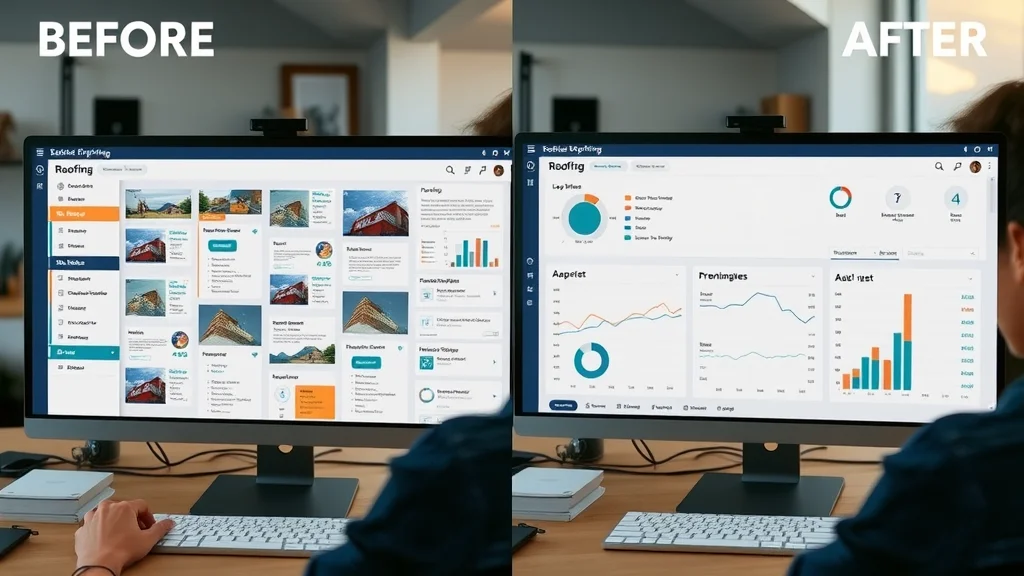
Shift in lead quality and project caliber after embracing proof-driven marketing
How authority content repositioned an entire roof line company in a crowded market
Proof that roofing trust asymmetry can be leveraged for competitive advantage
"Building trust in your roof truss surface business isn’t a mystery—it’s a repeatable, content-driven process."
Table: Roofing Trust Asymmetry — Proof vs. Price
Trust Approach |
Market Result |
Roofing Trust Asymmetry Impact |
Example |
|---|---|---|---|
Proof-driven |
Attracts quality leads; premium pricing; sustainable pipeline |
Minimizes asymmetry; builds authority and preference |
Contractor with extensive reviews, project photos, and top SEO for truss surface queries |
Price-driven |
High churn, low-margin jobs; vulnerable to stagnant growth |
Amplifies asymmetry; loses best opportunities to competitors |
Contractor chasing “lowest price” leads on Angi/HomeAdvisor, minimal digital proof |
Mixed |
Inconsistent lead flow; moderate pricing; missed opportunities |
Partial reduction, but trust gaps persist and market authority is unstable |
Business posts occasional project updates but neglects reviews or SEO for truss surface |
People Also Ask: Roofing Trust Asymmetry in the Roof Truss and Truss Surface Markets
Do trusses have to be symmetrical?
Roof truss systems are commonly designed to be symmetrical for even load distribution, but asymmetrical truss frameworks do appear in unique or custom projects. Roofing trust asymmetry occurs when contractors lack clear proof or have uneven messaging about these systems, leading to market confusion and mistrust. In all cases, visible authority is crucial for overcoming doubts, especially in the uneven roof truss surface market.
What is an asymmetric roof?
An asymmetric roof features unequal sides, pitches, or slopes—often requested for architectural flair or functional reasons. In marketing, an asymmetric roof market represents uneven trust distribution: some contractors dominate with visible authority, while others fall behind due to a lack of roof truss surface proof. Authority content and reviews are essential to shift the perception of both buyers and their agents.
How much roof sagging is acceptable?
Roof sagging is judged by building code and engineering tolerances. Even minor issues can trigger homeowner anxiety—especially if past projects in your portfolio show visible problems. In a truss surface marketing context, any sign of sag erodes trust and reinforces roofing trust asymmetry. Contractors with proof—not just price or promises—win confidence and prevent market confusion.
How out of level can a truss be?
Trusses must be installed within tight limits for structural safety. In branding, even small inconsistencies in your roof truss surface messaging imply trust gaps and invite competitors to capture your share of the roof line market.
See expert contractors demonstrate how focused, content-driven authority-building transforms asymmetric roof challenges and uneven roof truss surface skepticism into loyal, high-value clients. Learn tactics for educating, engaging, and earning trust—even when your market faces persistent asymmetry.
Key Takeaways on Roofing Trust Asymmetry and Market Leadership
Roofing trust asymmetry separates growth brands from price-fighters in every market
Owning your proof transitions your truss surface reputation away from “race to the bottom” pricing
Content consistency and authority not only win in uneven markets, but build lasting lead pipelines and brand equity
You’re building for long-term ROI, not a short-term spike—lead wisely, market smarter
Frequently Asked Questions on Roofing Trust Asymmetry
What if my market feels like an uneven roof truss surface?
You’re not alone—many contractors face similar market dynamics. The key is to shift focus from chasing every lead to actively building and demonstrating authority through repeatable, content-driven proof.Does content really change asymmetric roof trust?
Yes! High-quality content earns visibility, educates buyers, and positions your brand above price-driven “race-to-the-bottom” rivals.How do reviews on roof truss surfaces boost authority?
Reviews are public proof—recent, explicit client feedback builds immediate credibility, assures prospects, and counters price skepticism.Can I recover from past roofing trust asymmetry mistakes?
Absolutely. Crafting new, authority-focused content, asking for honest feedback, and publicly correcting past oversights can rebuild trust—and often strengthen your market presence.
Position Your Roof Line Company to Own Authority in Roofing Trust Asymmetry

Ready to take control of your market? See how Valis Pro can help you elevate your roofing trust asymmetry and build sustained authority—start your journey today.
Start building trust—own your proof, claim your market, and let authority drive your lead pipeline for the long haul.
Understanding the nuances of trust in the roofing industry is crucial for both homeowners and contractors. The article “Building Trust: 5 Ways Roofers Can Prove Reliability Locally” offers actionable strategies for roofing professionals to establish credibility within their communities, emphasizing the importance of online reviews and transparent communication. (rooferrevolution.com) Additionally, “The Branding Battle Overhead: How Roofing Companies are Redefining Trust” explores how modern roofing companies are adapting to digital transparency and the evolving expectations of homeowners, highlighting the shift from transactional to relational customer interactions. (easonroofing.com) For those seeking to navigate the complexities of trust in roofing markets, these resources provide valuable insights into building and maintaining a reputable presence.

Write A Comment