
Add Row
Add Element
cropper
update

[Company Name]

update
Add Element
  • Home
  • Subscribe
  • Contact Us
  • Categories
    • Authority & Positioning
    • Reputation
    • Lead Generation
    • Visibility & Discovery
    • Content & Media
    • Funnels & Conversion
    • Brand Voice
  • All Posts
  • Authority & Positioning
  • Reputation
  • Lead Generation
  • Visibility & Discovery
  • Content & Media
  • Funnels & Conversion
  • Brand Voice
December 19.2025
1 Minute Read

How Perception Decides Which Roofer Gets the Call

We all want to trust the expert who climbs on our roof. But it’s not just skill—perception of authority seals the deal. Understanding this subtle power helps roofers stand out, gaining trust and calls, turning expertise into opportunity. Let’s explore how perception shapes your roofing success.

Introduction: Why Roofing Authority Perception Matters

“We all want to trust the expert who climbs on our roof. But it’s not just skill—perception of authority seals the deal.”

In the ultra-competitive roofing industry, it’s no longer enough to simply deliver quality work. Homeowners and business clients alike are flooded with options—each promising reliability and value. However, it’s the roofing authority perception you foster that gets you the call, not just your technical ability or low prices. The best roofing contractors are those whose public presence, reputation, and communication signals “trusted expert” from the very first interaction. Roofing companies who master this perception don’t just win more jobs; they attract better clients and command higher fees because their value is never questioned.

Authority isn’t a nice-to-have. In a marketplace dominated by price wars, Angi/HomeAdvisor junk leads, and skeptical customers wary of “too good to be true” offers, roofing authority perception is your foundation. Neglecting this means being stuck in a cycle of competing on price, chasing after unqualified leads, and constantly justifying your worth. It’s time to focus on what actually puts you in control: owning your proof, building undeniable reputation, and standing out as a trustworthy contractor.
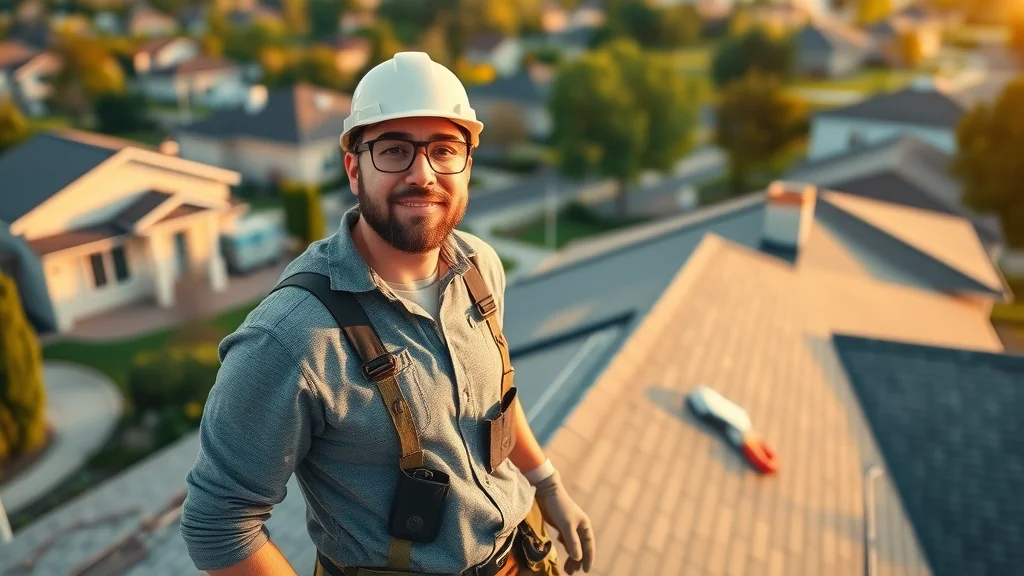
Confident roofing contractor standing on a residential roof, representing strong roofing authority perception in a suburban neighborhood. Photorealistic, friendly, with dynamic wind and visible roofing tools, under golden hour light.

What You'll Learn in This Guide to Roofing Authority Perception

  • How authority perception impacts roofing contractor selection
  • Practical strategies to build trustworthy roofing authority
  • Recognizing and overcoming the red flag of low authority
  • How to avoid ‘too good to be true’ pitfalls and build long-term reputation
  • Techniques to create a content-driven pipeline and improve lead quality

The Market Challenge: Why Roofing Authority Perception Is the Battleground

Roofing contractors nationwide face a common crisis: too many leads, not enough quality. Homeowners, insurance companies, and commercial clients are overwhelmed by the sheer number of roofing companies vying for their projects. Meanwhile, contractors report growing fatigue with platforms like Angi and HomeAdvisor, suffering under the weight of junk leads that waste time and resources. Beyond the volume, the real challenge lies in perception. If you’re just another name in the search results, or your only differentiator is a lower bid, you’ll be trapped in the exhausting cycle of price competition.

But authority is the new currency. Roofing authority perception turns a “roofing contractor” listing into the go-to expert for insurance claims, roof replacement, metal roof upgrades, and hail damage assessments. When your presence radiates authority—through rich reviews, clear proof of quality work, and content that answers real homeowner questions—clients see past the red flag of bargain pricing and chase your expertise instead. Smart roofing companies use this to break out of the lowest-bidder rut, building a pipeline that’s driven by respect, not desperation.

Root Frustrations: Price Wars, Bad Leads, and Roofer Reputation

  • Angi/HomeAdvisor reliance
  • Junk lead fatigue
  • Competing on price alone
  • SEO confusion among roofing contractors
‘Own your proof, or be owned by the lie that price decides everything.’ — Valis Pro

Professional roofer holding a tablet and displaying positive digital reviews to demonstrate roofing authority perception in a contractor’s office. Sunlit, photorealistic, businesslike, ultra-detailed.

Understanding Roofing Authority Perception: Psychology and Buyer Behavior

Why do some contractors receive calls before others, even when their prices are higher? The answer lies not in luck or skill alone, but in the psychology of trust and authority. Homeowners, property managers, and even partner businesses gravitate toward roofing companies that signal reliability at every touchpoint. From the website to the first phone call, it’s the subtle signals—a full suite of authentic reviews, professional branding, clear communication, and visible industry leadership—that raise trust and reduce skepticism. Without these signals, clients spot a red flag immediately. They wonder: Will this company stand by their word when problems arise? Are their customer testimonials genuine? Roofing authority perception, in essence, transforms your brand from just another name into the clear, safe choice—one that earns the benefit of the doubt and is called when the stakes are highest. This is especially critical in situations like a full roof replacement or when an insurance company demands a reputable contractor after hail damage.

The ‘Red Flag’ Factor: Why Homeowners Flock to Trustworthy Contractors

Homeowners are bombarded with choices and know that not every offer—or every roofing contractor—is equal. The “red flag” factor is a kind of gut-level skepticism that arises when a contractor’s image doesn’t match expectations for reliability. Red flags include missing or poorly managed online reviews, no proof of liability insurance or compensation insurance, inconsistent branding, and aggressive discounting that sounds too good to be true. Conversely, a trustworthy contractor makes it easy to verify credentials, view completed projects, and read real feedback from past clients. These signals calm anxiety and encourage homeowners to protect their most valuable asset—their home—by choosing a reliable contractor. The bottom line? If you leave gaps in your authority, the market will fill them with doubt.

Is It Too Good to Be True? Signals That Influence Roofing Companies’ Authority

When roofers make offers that sound “too good to be true”—like massive discounts without clear explanation, no written estimates, or guarantees on every aspect of roofing work—most clients respond with caution. They know the industry is rife with price undercutting, fly-by-night operators, and grand promises that evaporate when warranty or insurance company claims come due.

Roofing authority perception, therefore, is built on visible, credible signals. Homeowners crave reassurance: clear explanations around pricing, photos of recent roofing project results, references from reputable companies, and transparent business practices. A reliable contractor wins by being upfront—never hiding behind a deal that sounds too good to be true, but instead providing proof at every step.

Table: Key Authority Signals vs. Red Flags in Roofing Contractor Marketing

Authority Signal Red Flag Impact on Perception
Well-presented reviews Lack of testimonials Trust / Evasion
Professional web content No online presence Credibility / Concerns
Thought leadership blogs Aggressive price promotion Leadership / Commoditization

Key Elements That Build Roofing Authority Perception

Professional Reputation: From Roofing Contractor to Industry Leader

Elevating your status from “contractor” to “industry leader” takes more than just technical excellence. To build true roofing authority perception, everything about your business must signal expertise, dependability, and consistency. This means proactively managing your company’s reputation—requesting reviews from every satisfied client, addressing problems as soon as they arise, and responding to negative feedback with professional solutions. The most successful roofing contractors treat every project, from minor repairs to full roof installations, as an opportunity to earn public proof of quality work.

Your professional reputation is a living asset. Highlighting high-profile roof replacement projects, sharing before-and-after photos, and contributing to industry platforms all reinforce authority. Whether it’s navigating complicated insurance company requirements or demonstrating mastery in metal roof installations, visible proof is what turns a reputable contractor into the area’s trusted leader.

Distinguished roofing contractor at work, inspecting a roof with precision above a city skyline. Photorealistic, focused, with cool muted daylight tones showing professional attention and authority.

The Role of Reviews, Case Studies, and Content for Roofing Companies

Real-world stories and testimonial proof are your most persuasive marketing tools. Homeowners don’t just want to know that you offer roofing services—they want to see that you’ve solved problems just like theirs, and that your work holds up under scrutiny. Positive reviews on platforms like Google and specialized home-service directories showcase your reliability and customer satisfaction. In-depth case studies highlight your approach to problem-solving, especially in complex scenarios involving hail damage or multi-layer roof replacement.

Content isn’t only about SEO or keywords—it’s an ongoing conversation with your market. Blog posts demonstrating how to verify credentials, guides on what makes a licensed contractor, and videos explaining the insurance process all serve to make your authority visible. Every piece of content reinforces the notion that you’re not just a contractor, but a trusted voice in the roofing industry.

Visual Branding: Standing Out Among Roofing Contractors

First impressions matter—your van, uniforms, yard signs, and digital assets are often the first things a client sees. Consistency, visual quality, and clear brand messaging set you apart from generic competitors and discount offers.

Strong visual branding means every aspect of your presentation—from website to worksite signage—reflects expertise and care. Well-designed logos, clear uniform standards, and a visually cohesive fleet boost roofing authority perception. Professional photography of finished roofing projects, team headshots, and branded digital materials allow you to claim space as the reputable roofing company to call. Don’t underestimate the power of visuals to drive home your reliable contractor status and make your business unforgettable.

  • Must-have authority assets for today’s roofing contractor: Up-to-date website, authentic reviews, before-and-after project galleries, branded vehicles and uniforms, robust social media
  • Content ideas for establishing roofing authority: Homeowner guides, insurance claim walkthroughs, case studies, industry Q&A videos
  • Channels where roofing authority perception grows fastest: Google profile, YouTube, Facebook community groups, local business directories

Common Red Flags That Erode Roofing Authority Perception

Spotting a Red Flag: What Prospective Clients Notice First

Potential clients are alert to warning signs. The red flag they notice might be a poorly designed flyer, a lack of verifiable online reviews, a website that looks outdated, or even a “deal that sounds” too good to be true. Homeowners worry about making the wrong decision, especially with big-ticket roofing projects like full roof replacements or repair after hail damage. If your branding or communication leaves gaps, they’re likely to move on—often without telling you the real reason.

The bottom line: A reputable contractor removes these doubts with visible, positive proof. Clean, modern marketing materials, detailed written estimates, licensing and compensation insurance certificates—all put clients at ease and increase the likelihood that you, not a competitor, will get the call. Protect your home mindset is powerful, and your job is to ensure you’re always seen as the safest, most professional choice.
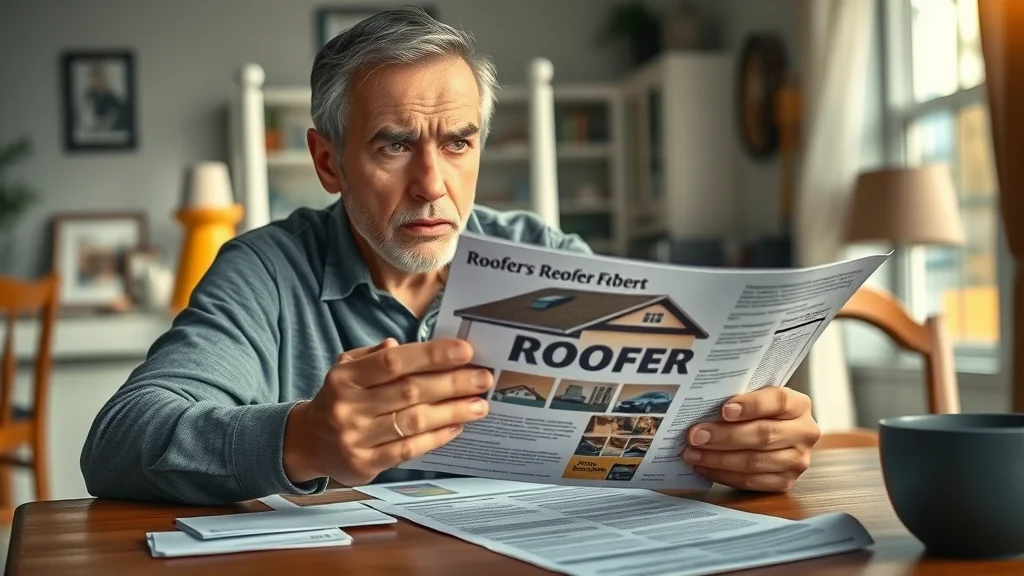
Worried homeowner looking at a rundown roofer flyer, indicating red flags in roofing contractor marketing. Photorealistic, morning sunlight, skeptical body language, clear and natural scene.

Too Good to Be True Offers: Turning Skepticism into Authority

Experienced clients are wary of roofing companies that push massive discounts, “free roofs,” or unusually fast project minimums—which often hint at shortcuts, hidden fees, or up-front payment risks. While a compelling price might generate curiosity, it usually provokes skepticism. To convert this into authority, reputable roofing contractors must turn every inquiry into an opportunity to demonstrate value.

That means replying with transparency: offering clear written estimates, outlining the specific quality materials you use, and demonstrating how your process delivers long-term reliability, not just savings. Show real projects and satisfied customer testimonials. Whenever a client thinks an offer is too good to be true, your authority and proof should make the decision easy.

What Separates a Trustworthy Contractor from the Competition?

The true difference between a discount-driven roofer and a trustworthy contractor is the willingness to lead with proof, honesty, and expertise. Reputable companies never hide behind pricing gimmicks or cherry-picked reviews. They deliver customer service and visible results—meeting insurance company requirements, providing detailed timelines, and standing by their warranties.

When prospective clients compare, it’s the company that feels safe, knowledgeable, and professional that wins out every time. Quality work, effective communication, and a documented history of happy clients ensure you become the reliable contractor—not just for a single project, but for life.

“A trustworthy contractor does not hide behind pricing gimmicks or reviews—they deliver visible proof.”

Action Steps: Building Roofing Contractor Authority and Trust

  • Steps to shift perception from price-chaser to roofing authority: Gather and promote reviews; feature your most challenging and successful projects; create educational content for homeowners and insurance adjusters.
  • How to showcase expertise in every client touchpoint: Train your team to present credentials, use branded uniforms, provide detailed written estimates, and visually document every phase of a roofing project.
  • Maintaining authority during stressful market shifts: Continue publishing transparent content, promptly address any service issues, revisit past customers for updated testimonials, and keep your branding fresh and visible.
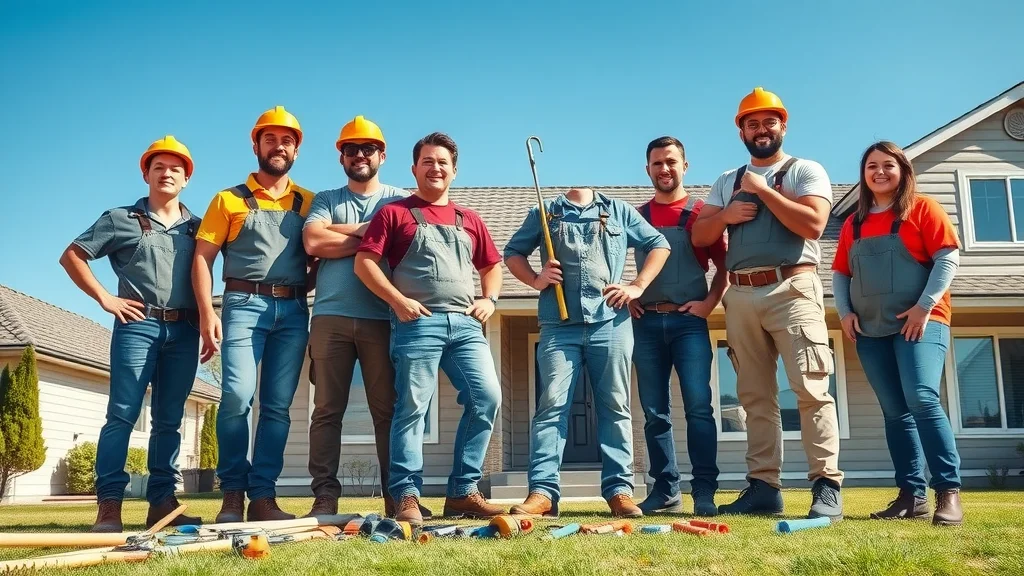
Team of roofers showcasing their work, standing proudly beside a finished roof, demonstrating roofing contractor authority and team reputation under clear blue skies.

People Also Ask: Roofing Authority Perception FAQs

Why do roofers have a bad reputation?

Some roofers develop a poor reputation due to inconsistent quality, lack of transparency, and scams involving unreliable work or hidden fees. When roofing contractors fail to offer proof—like valid insurance, clear documentation, or customer references—it raises a red flag for clients. The bottom line: reputation is built on visible trust signals and addressing problems as they arise, not on low pricing or empty promises.

How to tell if a roofer is lying?

Warning signs include vague estimates, reluctance to provide written documentation, evasive answers about licensing or compensation insurance, and reviews that seem suspiciously one-sided. A trustworthy contractor will welcome client questions, provide clear documentation, and never ask for up-front payment before starting significant roofing work. Always verify credentials and seek evidence of quality materials and workmanship.

What is the biggest problem roofers face?

The biggest problem for many roofing companies is breaking free from commodity-based price wars and establishing visible authority. Many chase the lowest price, resent junk leads, and struggle to build a lasting client base. Establishing roofing authority perception—through reliable proof, compelling content, and ongoing reputation management—solves this by attracting loyal, high-value customers.

What percentage of roofers go out of business?

While the percentage varies by region and market cycle, a significant number of roofing contractors leave the business within a few years due to cash flow problems, lack of differentiation, or poor reputation. Building undeniable authority and a content-driven pipeline protects against these risks, ensuring consistent work and long-term viability.

Real-World Authority-Building Examples for Roofing Contractors

Case Study: From Anonymous Roofer to Area’s Roofing Authority

A once-anonymous roofer struggled on big platforms, taking low-margin roofing work and competing in an endless race to the bottom line. With Valis Pro’s doctrine, this contractor shifted focus: collecting robust reviews, making client stories public, updating branding, and generating targeted educational content. Within a year, the same roofer became known as the go-to authority for storm repairs and insurance claims. The result? Fewer bad leads, higher-quality projects, and boosted profit margins—proving that roofing authority perception revolutionizes business health.
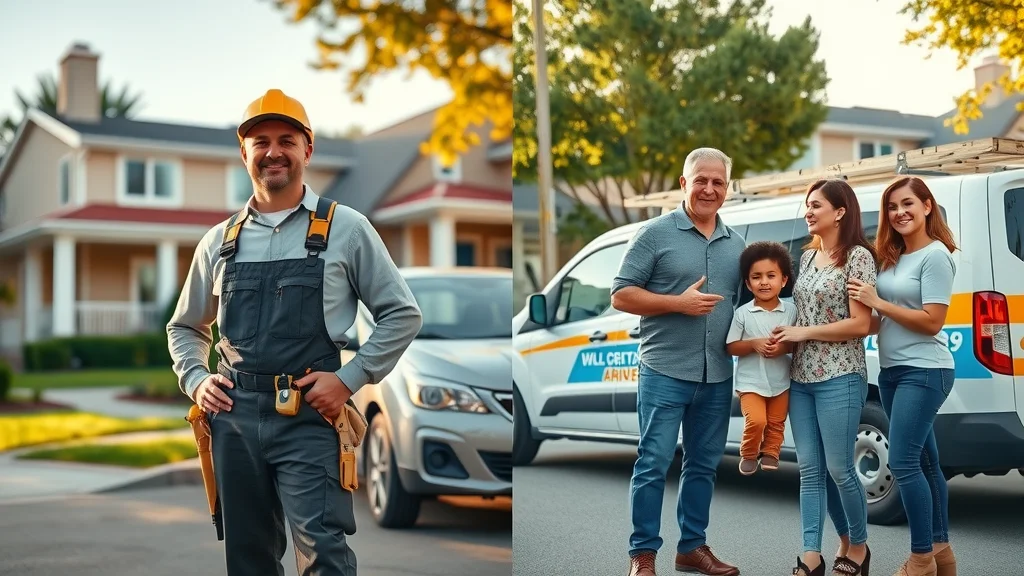
Before-and-after: generic anonymous roofer versus recognized authority roofer with homeowners and a branded truck. Photorealistic, suburban street, showing transformation and client recognition.

Turn Your Team into Recognized Industry Experts

True authority is never just about one person. The most successful roofing companies invest in team training, encourage employees to become certified specialists, and promote their team’s expertise on digital and traditional platforms. Featuring your team’s faces in online profiles, project galleries, and instructional content demonstrates a culture of excellence. This multidimensional approach cements your company’s reputation as both a reliable contractor and a leading voice in the roofing industry—ensuring clients always remember who to trust.

Key Takeaways: Commanding Calls with Roofing Authority Perception

  • Authority is the antidote to price wars
  • Proof, reputation, and visible leadership tip the scales
  • Content-driven branding protects lead flow and business longevity

FAQ: Top Questions on Roofing Authority Perception and Marketing

What is roofing authority perception and why does it matter?

Roofing authority perception is the overall impression you create as a contractor who’s certified, dependable, and a subject matter expert. It matters because it influences whether you get chosen for high-value projects, and lets clients feel confident in every aspect of your roofing services. Contractors who control how they’re perceived enjoy more trust, better customers, and higher margins.

How do I promote my roofing company’s authority online?

Publish regular blog content, share real customer reviews and case studies, maintain an up-to-date Google profile, and showcase team certifications with photographs and stories. Use visual branding and participate in industry Q&A sessions online. All these moves prove you’re a reputable roofing contractor committed to transparency and continuous improvement.

What are the quickest ways to build trust with potential clients?

Share thorough written estimates, make licensing and compensation insurance documentation easy to access, answer questions honestly, and provide references or project galleries. Prompt responses, transparency on timelines, and consistent visual branding help clients feel you are a reliable contractor and worthy of their trust.

How can I tell what my clients truly think of my company’s authority?

Monitor reviews and testimonials across all major platforms, regularly request direct client feedback, and analyze recurring themes. If clients highlight your responsiveness, professionalism, and clarity, your authority perception is strong. If concerns or red flags appear, address them promptly and turn those critiques into improvements and future proof.

Conclusion: Your Next Steps Toward Roofing Authority Perception Leadership

Command the market by controlling your reputation, building solid proof, and becoming the trusted authority roofing contractors clients call first.

Ready to turn your roofing expertise into a market-dominating authority? Book your free consultation with Valis Pro today.

Understanding the importance of authority perception in the roofing industry is crucial for contractors aiming to build trust and secure more projects. The article “How To Be A Roofing Authority” offers practical tips for roof inspectors to enhance their credibility, emphasizing professionalism, effective communication, and continuous education. (nrcia.org) Additionally, the piece “Why Do Some Roofers Have a Bad Reputation?” explores common pitfalls in the industry, such as poor customer service and unethical practices, and provides guidance on how to avoid them to maintain a positive reputation. (eliteroofandsolar.com) By implementing the strategies outlined in these resources, roofing contractors can strengthen their authority perception, leading to increased trust and business opportunities.

Reputation

0 Views

0 Comments

Write A Comment

*
*
Related Posts All Posts
12.19.2025

How Authority Reduces Business Risk for Roofers

Every roofer knows that one wrong move can cost thousands. Building authority isn’t just about reputation—it’s about safety and stability. Understanding roofing risk reduction empowers you to protect your business, avoid costly mistakes, and secure trust in a competitive market. In this comprehensive guide, discover why authority is the secret weapon for every roofing contractor who wants to rise above price wars, unreliable leads, and the volatility of the roofing industry—and how practical authority-building techniques protect you, your team, and your future revenue. Roofing Risk Reduction: Why Authority Is Your Best Safety Net “Every roofer knows that one wrong move can cost thousands. Building authority isn’t just about reputation—it’s about safety and stability.” In the roofing industry, risk management is far more than wearing hard hats or following safety protocols—it's about the reputation and trust that you build every day. For roofing contractors, authority is the most reliable safety net available. Why? Because brand authority acts as a shield: when your expertise is evident, you gain the ability to select better projects, attract more dependable clients, and build defenses against the volatility that plagues most contractors. Traditional risk reduction approaches like insurance and compliance with safety measures are still crucial, but they only address the surface of the problem. Without strong authority, roofers remain vulnerable to unsafe work environments, unreliable leads, and the dangers of racing to the bottom on price. Establishing yourself as the local expert—a trusted voice for roof safety and effective risk management—reduces liability and provides stability even when weather conditions or market trends turn against you. Remember: roof safety doesn’t just refer to the physical act of installing or repairing roofs. It means protecting your profits, your time, and the well-being of every team member on your crew. By making authority the core of your risk management in roofing, you transform your brand into a business safety net, one that not only protects roofers but also unlocks high-value, low-risk opportunities for growth. What You'll Learn About Roofing Risk Reduction and Authority Why traditional risk management doesn’t protect roofers from business volatility How brand authority enhances roof safety, reduces liability, and improves lead quality Effective risk reduction strategies specific to roofing contractors Actionable tips to shift from price wars to authority-driven growth Ways to use content and social proof for long-term roofing risk reduction The Real Costs of Roofing Project Risks and Poor Authority Common Roof Hazards: Understanding Effective Risk on the Job Roofing work is inherently risky. From fall protection failures to unpredictable weather conditions, every project brings potential hazards for contractors and their teams. Yet the greatest risks aren’t always on the roof—they’re in the business decisions you make off the ladder. Relying on unqualified leads, chasing jobs through platforms like Angi or HomeAdvisor, or taking on clients who don’t value safety can put your roofing business in constant jeopardy. These common roof hazards extend from physical danger to financial and reputational threats. Poor risk management can lead to jobsite injuries, legal liabilities, dissatisfied clients, and costly roof replacements that result from rushed or unsafe work. Common roof fall protection failures The impact of unqualified leads and clients Risk of dependency on platforms like Angi/HomeAdvisor Unfortunately, when you’re seen as “just another contractor,” you’re frequently forced into a cycle of unsafe work, high liability, and inconsistent income. Roofing contractors who don’t build their authority often find themselves exposed—unable to select projects, struggling to command premium pricing, and constantly competing for recognition. This is why effective risk management means much more than adhering to safety tips; it's about transforming how your business is perceived and the quality of clients and jobs you attract. How Roofing Risk Reduction Protects Contractors Beyond the Job Site Effective risk management in roofing doesn’t end when the ladder comes down. It continues in your contracts, your client screening process, and how your brand is positioned in the marketplace. Brand authority gives roofing contractors a powerful, proactive way to minimize not just on-site injuries—but also the hidden business risks that erode profit and stability over time. When you demonstrate authority through proof (reviews, certifications, and educational content), you become known as the go-to expert for roofing projects that require top safety standards and quality workmanship. This attracts less risky, better-paying clients, while deterring those who create unsafe work environments or demand cut-rate prices that put your company at risk. Costs of Poor Authority vs. Benefits of Brand Authority Risk Type Impact Authority Solution Long-term ROI Poor Lead Quality Unqualified clients, unsafe jobs Proof-based reputation Higher-value, repeat projects Price Wars Reduced margins, unsafe shortcuts Authority content, buyer education Premium pricing, safer workflow Dependency on Platforms Unstable pipeline, lost control Owned inbound presence Consistent, qualified inquiries On-site Accidents Liability, injuries, legal action Safety educational leadership Fewer claims, trusted brand As this table shows, every common risk in roofing can be countered by a strategic investment in brand authority. By choosing to operate as an expert—not just a service provider—you gain protection that goes far beyond checklists and compliance. This is what separates sustainable, profitable, and safe roofing contractors from the rest of the industry. Authority as the Foundation of Effective Risk Management in Roofing How Trust, Proof, and Reputation Offer Business Safety Nets What is authority in roofing contracting? Authority is earned through consistent safe work practices, visible client proof (reviews and testimonials), and expertise in both roofing material selection and safe installation. It means becoming a recognized source for roof safety and effective risk management advice in your market, not just a contractor who completes projects. Why authority-based risk management outlasts price competition: While others compete by slashing prices (and often cutting corners on safety), authority-based contractors stand out by educating clients, setting high safety measures, and publishing real results. This leads to long-term trust, stronger client relationships, and substantially less business volatility. Key safety tips that position you as the expert roofing contractor in every bid: Share specific, actionable safety tips in your bids and online content. Things like recommending fall protection systems, clarifying your safety protocols, and demonstrating how your company meets or exceeds industry safety standards all signal that you care about both client property and your team’s well-being. Authority isn’t given—it’s built through proof and trust. For roofing contractors, that means maintaining a strong digital presence, highlighting real customer testimonials, and being transparent about your safety procedures and risk management approach. When your market recognizes you for expertise and reliability, you create a sustainable competitive advantage—a business safety net that shields you from both physical and financial harm. Case Study: Roofing Contractors Who Used Risk Management to Thrive “Own your proof, or be owned by the lie that price decides everything.” — Valis Pro Consider the example of a mid-sized roofing contractor who, after years of chasing low-margin jobs from lead-gen platforms, decided to build out an authority-driven website and started showcasing proof: customer reviews, photos documenting their roofing projects, and educational safety resources for property managers. Not only did their inquiries increase, but job quality improved as risk-averse clients—often property managers and business owners—chose them based on expertise, not just price. Accidents declined since these better clients valued and funded proper safety measures, leading to a safer working environment and increased profit margins. This is the real-world value of elevating risk management in roofing through brand authority. Actionable Roofing Risk Reduction Strategies for Authority-Building Content, Reviews, and Customer Proof: Your Business Safety Measures Best roofing material and method content to educate buyers Leveraging project photos and real reviews for risk management How to create a safety tips resource for property managers One of the most effective risk management strategies for roofing contractors is to turn every project, review, and photo into reputation-building assets. Create in-depth content explaining the pros and cons of different roofing materials—why you recommend certain methods for roof replacement, and what specific safety tips property managers should know. By consistently posting visual proof (before-and-after shots, closeups of safety measures in action), you make your expertise undeniable to both new and returning clients. Reviews and testimonials act as organic safety nets, signaling reliability and a commitment to safe working standards. Don’t just collect reviews—curate them: ask clients to describe your work area cleanliness, use of safety nets or fall protection, and overall professionalism. Publishing safety-focused resources on your website or social channels attracts informed, risk-conscious buyers and property managers looking for safe working partners. Over time, this builds a feedback loop where your authority grows and your business risk decreases, establishing your reputation as the local expert in risk management in roofing. Elevate Your Safety Net: Inbound Pipeline vs. Outbound Chasing Building a lead-gen system based on authority, not price alone: Stop relying on outbound chasing or low-value third-party platforms. Focus your energy on inbound marketing—content that attracts buyers seeking safety, expertise, and reliability. When your proof and authority are front-and-center, you draw in qualified leads who respect your process and prioritize safe roofing projects. Safe lead flow: why owning your web presence is roofing risk reduction: If you don’t control your leads, you can’t control your risk exposure. By owning your digital presence (professional website, Google Business, client education materials), you establish a consistent, safe pipeline of new clients, insulated from the unpredictability of external referral platforms. When your digital authority works 24/7, you’re free to say “no” to high-risk, low-reward jobs and instead focus on those who value your expertise and safe work standards. Authority-driven inbound marketing isn’t just a growth strategy—it’s at the core of effective risk management in roofing. Real-World Buyer Psychology & Roofing Risk Reduction Why High Authority Roofing Contractors Attract Better Projects How risk-averse buyers choose roofing contractors: signals of safety and authority Transitioning from transactional to trust-based roofing projects Most buyers—especially commercial property owners and managers—are inherently risk-averse. They want roof safety, quality results, and contractors who don’t bring liability to their sites. High-authority roofing contractors attract these ideal clients by displaying unmistakable signals of professionalism: clear proof of safety measures, transparent risk management procedures, and positive feedback from past projects. These signs set them apart from contractors who only compete on price and offer little visibility into how they protect roofers and client property. Transitioning from a transactional model (“what’s the lowest price?”) to a trust-based business (“who provides the safest, most reliable outcome?”) shifts your entire trajectory in the roofing industry. Your authority becomes your filter, attracting better projects and protecting your business from the dangers and volatility of traditional risk management in roofing. In this sense, your authority is as crucial to safe work as any piece of equipment or safety net on the job. Explainer: Visualizing Authority-Driven Roofing Risk Reduction (animated overview geared for roofing contractors) People Also Ask: Roofing Risk Reduction FAQs Can a roofer sue you if they fall off your roof? Answer: Yes, a roofer (or any contractor) could potentially sue a property owner if injured on the job, especially if there’s an unsafe work area or a failure to follow safety measures. However, most reputable roofing contractors carry their own insurance, adhere to safety tips, and secure proper documentation to minimize these risks. For both sides, having clear proof of safe work practices and contracts outlining responsibility is a critical aspect of roofing risk reduction. Does Roof Maxx really work? Answer: Roof Maxx is a spray-on roofing material treatment designed to extend the life of shingles by adding flexibility and moisture resistance. Its effectiveness depends on the roof’s existing condition, material type, and whether safety standards are observed during application. Many property owners see improvement, but it’s no substitute for a professional roof inspection or addressing underlying damage. Consult with an expert roofing contractor to determine if Roof Maxx is a safe and effective risk tool for your project. What is the fatality rate for roofers? Answer: Roofing is considered one of the highest-risk trades in the construction industry, with the majority of fatalities resulting from falls. Fatality rates vary by region and safety protocols, but the biggest factor in reducing incidents is implementing effective risk management—using fall protection, safety nets, and routine safety training for every team member on roofing projects. How to stay safe while roofing? Answer: To stay safe while roofing, use proper fall protection, inspect your work area, follow all safety tips, and ensure weather conditions are suitable. Wear hard hats, utilize safety nets on steep projects, and always brief each team member on potential hazards. Effective risk management includes ongoing education, up-to-date tools, and consistent communication. Remember, roof safety begins before you climb the ladder—make safety measures, not shortcuts, your standard practice. Roofing Risk Reduction in Action: Step-by-Step Authority-Building Guide Review current risk management and marketing practices Identify authority gaps (testimonials, content, certifications) Create and share authoritative safety tips online Engage with local property owners and managers Walkthrough: Building an Authority Platform for Roofing Risk Reduction Essential Roofing Risk Reduction Resources for Contractors Checklists: Roof safety measures—from fall protection to safety nets Recommended reading: Effective risk management in roofing Links to industry best practices for risk management in roofing Key Takeaways: Roofing Risk Reduction Through Authority Authority is the foundation of roofing risk reduction and long-term success Strategic risk management in roofing leads to higher-quality leads and better clients Content, proof, and reputation are your greatest business safety nets Ready to take control of your authority and roofing risk reduction? Connect with Valis Pro for a personalized audit. FAQs: Roofing Risk Reduction and Authority How do I measure my authority as a roofing contractor? Track your website inquiries, review scores, and the consistency of high-quality, low-risk leads versus price shoppers. Consistent inbound demand and positive feedback are key indicators of market authority. How does roofing risk reduction apply to small teams? Risk management in roofing is vital at every business size. Small teams benefit from clear safety measures, focused authority (like local reviews or niche certifications), and content that educates both clients and new hires. What is the best first step to build long-term roofing risk reduction? Start by auditing your proof: collect testimonials, update your website with recent projects, and publish safety tips that demonstrate your commitment to roof safety and effective risk management. Conclusion: Building Roofing Risk Reduction Into Your Brand Authority for Sustainable Growth Turn authority into your best risk reduction strategy. Make it the backbone of your brand, and enjoy safer, more profitable roofing projects for years to come. Building authority in the roofing industry not only enhances your reputation but also serves as a critical component in reducing business risks. By establishing yourself as a trusted expert, you can attract higher-quality clients, secure better projects, and create a safer work environment. For instance, the article “Fall Protection Measures Reduce Roofing Injury Risk” highlights how implementing simple safety steps can dramatically reduce injury risks on the rooftop. This resource provides practical insights into effective fall protection strategies that can safeguard your team and business. Additionally, “Reducing liability with smart safety practices” emphasizes the importance of conducting safety huddles, wearing personal protective equipment, and establishing secure walkway paths. These practices not only protect workers but also minimize liability, reinforcing your authority as a safety-conscious contractor. By integrating these authoritative safety measures into your operations, you not only protect your team but also enhance your business’s credibility and stability.

12.19.2025

The Trust Signals Homeowners Look for Before Calling a Roofer

Choosing a roofer feels personal—it's about safety and peace of mind. Homeowners rely on trust signals to protect their homes and families. Understanding these signals empowers you to make confident choices, ensuring your roof repairs are handled with care and integrity. For roofing company owners, recognizing and mastering these trust signals isn’t just important—it’s what separates thriving businesses from those tangled in endless price wars and underwhelming leads. In this comprehensive guide, you’ll discover exactly how to position your roofing business as the local authority homeowners trust and confidently call first. What You’ll Learn About Roofing Buyer Trust Signals and Authority Building Understand the core roofing buyer trust signals that prompt homeowners to choose or ignore your roofing company Discover why ‘proof’ outperforms price—and what proof roofing companies must showcase Gain actionable steps for using reviews, roofing SEO, and business profiles to build trust and long-term authority See examples of content, social media, and roofing marketing that generate quality roofing leads Learn how to move beyond price wars and junk roofing leads by owning your online reputation The Psychology Behind Roofing Buyer Trust Signals: What Homeowners Need Before Contacting a Roofer Why Roofing Buyer Trust Signals Shape Decisions Homeowners don’t just want a price—they want assurance. Before picking up the phone, they subconsciously evaluate dozens of roofing buyer trust signals. From updated business profiles and Google Business Profile reviews to website design and visible credentials, every detail can tip the scales for or against you. This is where many roofing companies fall short: ignoring the small digital cues that make a massive impact on a homeowner’s sense of safety. Today’s buyers research your roofing company on local search, scan for recent, authentic reviews, and assess visual consistency between your service page, social media, and search results. If your business profile appears abandoned, or your roofing SEO is outdated, prospective clients quickly move on—often to a better-presented (not necessarily better-skilled) competitor. Authority and trust aren’t given; they’re earned through clear, visible, and consistent proof across every platform. The Risks Homeowners Feel—and How You Can Reassure Them For most homeowners, roofing projects are high stakes. Common worries include being overcharged, receiving shoddy workmanship, or even being scammed. This anxiety intensifies when there’s a lack of clear, credible roofing buyer trust signals—like published licenses, real customer feedback, and detailed service pages. Roofing contractor credibility is judged first online, long before you even speak. Homeowners want to see proof, not just promises. Transparency about your process, pricing, guarantees, and previous roofing leads calms fears and lets them move forward with confidence. Managing your Google Business listing, showing portfolio images, and demonstrating local SEO authority all contribute to easing buyer anxiety and positioning your business as the safe, trusted choice. "In every market, trust is the moat that keeps price-chasers out and loyal clients in." – Valis Pro Expert Insight Foundational Trust Signals for Your Roofing Company: Proof Over Promises Reviews, Ratings, and Roofing Leads: Why Social Evidence Is King Nothing builds authority faster than authentic reviews and high star ratings. Social proof is your most powerful roofing buyer trust signal—it tells homeowners that past clients trust you, recommend you, and were satisfied with your work. In fact, roofing SEO experts agree: a strong stream of genuine reviews drives quality lead flow and increases your perceived authority on search engines. To stay competitive in today’s roofing market, make it a top priority to collect, display, and respond to reviews across your business profile, Google Business Profile, and service page. Highlight before-and-after pictures and testimonials on your site and social media: these speak louder to buyers than any claim you can write. Roofing leads generated from such proof are not only more plentiful; they're also higher value and less price-sensitive. Qualifications, Licensing, and Visible Credentials as Roofing Buyer Trust Signals Trust hinges on proof, not promises. Homeowners want certainty their roofing contractor is both qualified and covered. That means licenses and insurance certificates must be easy to find—displayed proudly on your roofing company website and echoed on your Google Business profile, business profile, and service page. When potential customers see verifiable credentials, fear gives way to confidence. Many roofing companies make the mistake of assuming word-of-mouth or informal referrals are enough. In reality, buyers expect digital-first transparency. Failing to highlight your qualifications online leads to missed opportunities—especially with buyers actively searching “licensed roofer near me” or checking local search rankings for roofing SEO leaders. Case Studies, Local SEO, and the Role of Roofing SEO in Creating Lead Quality A well-documented case study, especially featuring before-and-after images and detailed outcomes, amplifies your reputation far beyond basic reviews. Coupled with targeted local SEO and modern roofing SEO strategies, these assets signal authority to both search engines and human buyers. This combination ensures you appear for high-intent local searches—resulting in more quality leads and more booked jobs. Don’t overlook the connection between search engine visibility and trust. The higher you rank for “roof repair” or “roofing company near me,” the more credible you appear—especially if your business profiles and landing pages reinforce your expertise. The right roofing marketing creates a feedback loop: strong SEO drives traffic, which drives more reviews, which then powers even better rankings and lead generation. Comparison of Trust Signals for Roofing Companies Trust Signal Impact on Buyer Boosts Local SEO? Builds Authority? Example Action Social Proof (Reviews) Increases confidence, confirms service quality Yes Yes Collect and display 5-star reviews on Google, website, and business profile Local SEO Makes your company visible in search results Yes Indirectly Optimize Google Business Profile, maintain consistent NAP info Business Profile Consistency Demonstrates legitimacy and trustworthiness Yes Yes Update business details across all listings and platforms Google Business Profile Validates existence and location, shows reviews Yes Yes Upload photos, manage reviews, keep info accurate Marketing Tactics (Content, Social) Keeps buyers engaged and informed No Yes Share project updates & testimonials on website and social media From Roofing SEO to Business Profiles: Essential Digital Trust Factors Crafting a Service Page That Builds Roofing Buyer Trust Signals Your service page is the linchpin of digital trust. It should do more than list generic services; it must show depth—explaining process, warranties, safety standards, and featuring real project photos. Optimize it for local search and roofing SEO keywords, like “roof repair”, “roofing lead”, or “metal roof”, to pull in motivated prospects. Don’t bury crucial signals deep in the site: licensing, insurance, and testimonials belong front and center. The most effective roofing companies link to their verified Google Business Profile, highlight awards or community involvement, and showcase local before-and-after galleries. Cohesive messaging across every landing page, service detail, and call to action reassures prospects and guides them confidently toward contacting you. Optimizing Google Business Profiles and Online Reputation A robust Google Business Profile is essential for trust and local SEO. Keep business name, address, and phone (NAP) perfectly matched across every online platform. Upload recent project photos, update business hours, and actively respond to both positive and negative reviews for your roofing company. Buyers notice how responsive you are and whether your profile reflects a living, growing business or a digital ghost town. Make sure your Google Business profile is the central hub for authentic reviews, up-to-date contact info, and visible proof of licensing and insurance. This is non-negotiable for attracting high-value roofing leads. Aligning Search Engine and Social Media Presence for Roofing Leads Your online presence doesn’t stop at Google. The best roofing companies maintain a coordinated story between their website, Google business, and social media platforms. Share fresh project updates, celebrate 5-star reviews with reposts, and post educational content about roofing repair or maintenance. Search engines rank you higher when they see consistent signals across the web, and potential customers often check social media for signs of recent activity. Regular posting, engaging with your community, and linking back to your service page all feed into higher rankings and better roofing lead quality. Why Reviews and Content Generate High-Quality Roofing Leads—Not Junk Traffic Avoiding HomeAdvisor/Angi: Building Authority for Independence Too many roofers grow dependent on lead generation platforms like Angi or HomeAdvisor—an environment rife with price competition and junk leads. These platforms don’t help you build your authority; they market your services as commodities, eroding margins and hiding your best roofing buyer trust signals. By investing in your own business profile, website, and roofing SEO efforts, you command the narrative. You attract quality leads—homeowners who value trust and proof, not just the lowest price. True independence comes from owning your reviews, showcasing your unique work, and leveraging a direct connection with your market through authentic content and local search. How Content-Driven Roofing Marketing Builds a Reliable Pipeline Educational blog posts, step-by-step project stories, and video walkthroughs are powerful roofing marketing assets. This content strategy not only builds SEO rankings but also demonstrates authority and transparency—two essential roofing buyer trust signals. Local homeowners notice who provides value before they call, leading to a constant stream of quality leads into your pipeline. By consistently producing helpful service page content and showcasing recent jobs, your roofing business builds trust in every digital interaction. Over time, this turns fleeting searches or cold leads into recurring referrals and booked jobs, ensuring a steady, reliable business without chasing after third-party leads. Leveraging Social Media and Local SEO to Gain Trust and Visibility Social media is no longer optional. Regularly post project spotlights, team photos, and customer testimonials. Integrate local SEO by tagging neighborhoods, using location-based keywords, and being active on community pages. These efforts not only enhance your search engine ranking factors but significantly boost your company’s “realness” for skeptical homeowners. Respond promptly to social messages and engage in local conversations—both are subtle but powerful trust signals. The aim is to appear everywhere your best potential customers look: in search results, on reputable business profiles, and in authentic social posts. This omnipresence creates a halo effect, elevating your overall reputation and authority in the market. The Anatomy of a Trusted Roofing Company Online Essential Website Pages: Home, Service Page, About, Reviews Consistent NAP (Name, Address, Phone) and Business Profile Management Transparency: Estimates, Guarantees, and Roofing Buyer Trust Signals in Copy A buyer-friendly roofing company website begins with clarity—easy navigation, quick-to-locate licensing, and rich content about services, guarantees, and real customer outcomes. Your service page should lead with proof: before-and-after images, badges of local awards, and detailed explanations of your process. The About page must introduce your team as real professionals, not faceless contractors. Consistency is equally vital. Double-check that your business name, address, and phone match across all platforms, from Google Business Profile and BBB to social media listings and insurance certificates. Even a minor conflict confuses both search engines and homeowners, breeding doubt. Remove any uncertainty by being transparent about estimates and standing behind written guarantees—address these points on every main page and in your copy to establish rock-solid authority. How to Own Your Proof: Actionable Steps Toward Building Unbreakable Roofing Buyer Trust Signals Collect, Display, and Respond to Reviews Ask customers after every completed roofing job for honest feedback—via email, text, or direct links. Feature top testimonials on your homepage, service page, social media, and Google Business Profile. Always reply to reviews—thank those who praise, and professionally address any negatives for all to see. Show Your Licenses and Qualifications—Everywhere List all licenses and insurance certificates on your website, Google Business Profile, and printed collateral. Include clear images or badges in portfolio and service pages for immediate homeowner reassurance. Make Roofing SEO and Local SEO Core to Your Authority Playbook Optimize every website page for your service area, using targeted keywords and accurate NAP data. Claim, verify, and regularly update your business profiles on all relevant directories and search engines. Publish Opinionated ‘Proof Content’ to Showcase Work Share detailed project stories, before-and-after galleries, and video walkthroughs to demonstrate skills. Integrate customer testimonials and your unique roofing expertise to differentiate from competitors. Top 10 Roofing Buyer Trust Signals Homeowners Look For Clear business profile with up-to-date information Verified licensing and insurance Dozens of recent 5-star reviews Portfolio with before-and-after images Detailed service page Transparent pricing (no mystery quotes) Professional website design Real project testimonials Google Business Profile with photos Local awards and community involvement People Also Ask: Roofing Buyer Trust Signals Answered How to spot a roofing scammer? Common red flags include lack of verifiable business profile, high-pressure sales tactics, refusal to show credentials, vague or missing service page, and no real online reviews or roofing SEO presence. Watch for inconsistencies in search results and always verify licensing and references before hiring. Is offering a free roof inspection soliciting? No, but homeowners often judge intent by the presence and quality of roofing buyer trust signals. Transparency and an established Google Business Profile assure them it's not just soliciting, but a genuine service from a reputable roofing company. How much do roofing salesmen make per sale? Commissions vary, but sales increase where roofing buyer trust signals are strong, reviews are authentic, and the business profile is trusted by search engines. Consistent trust signals often turn one-time repairs into recurring roofing leads and long-term clients. How do you know if your roofing contractor is ripping you off? Weak online presence, inconsistent service page details, poor reviews, and no traceable roofing company credentials signal caution for homeowners. Strong roofing buyer trust signals reliably predict which contractors deliver actual value and honesty. Frequently Asked Questions About Roofing Buyer Trust Signals What trust signals matter most for getting quality roofing leads? The most effective are authentic reviews, current licensing and insurance proof, a professional and informative service page, and a fully optimized Google Business Profile. Consistency across platforms is key—mismatched details or out-of-date content will cause homeowners to doubt your legitimacy. How should roofing companies manage their Google business profile? Update it weekly with new photos, post recent jobs, and respond promptly to customer reviews. Ensure business hours, address, and contact information are consistent and accurate. Regular maintenance signals professionalism to both search engines and potential customers. Can roofing SEO alone win trust or is a holistic approach needed? Roofing SEO is necessary for visibility but does not replace the need for holistic trust signals—reviews, credentials, consistent branding, and active social media participation are all vital. Homeowners look for a complete picture, not just a high search engine ranking. How can I turn positive reviews into more roofing leads? Feature glowing testimonials everywhere—on your home page, landing pages, Google Business Profile, and social posts. Respond courteously, thank each reviewer, and create shareable social proof. Every review is a mini-referral that can convert curious prospects into booked jobs. Quotes from Roofing Marketing Experts on Roofing Buyer Trust Signals "If you don’t document and display your proof, buyers will assume you have none. Trust signals are your first impression online." – Valis Pro Digital Team "In every market, trust is the moat that keeps price-chasers out and loyal clients in." – Valis Pro Expert Insight Key Takeaways: Building Roofing Buyer Trust Signals for Long-Term Market Leadership Proof matters more than price in quality roofing leads Authority comes from consistent business profiles, reviews, and optimized roofing SEO Own your proof to outrank price-driven competitors Conclusion: Elevate Your Roofing Business with Authentic Trust Signals Expert insight: Trust signals drive the best clients—and sustained growth Take ownership of your business profile, content, and reviews to control your pipeline Position your roofing company as the trusted local expert with strong roofing buyer trust signals Transform Your Authority—Start Building Roofing Buyer Trust Signals Today Ready to grow your market authority and control the quality of your roofing leads? Connect with Valis Pro to take your roofing company to the next level. To further enhance your understanding of the trust signals homeowners seek when selecting a roofing contractor, consider exploring the following resources: “7 Ways to Spot a Trustworthy Roofing Contractor Near You!” (apcroofing.com) This article outlines key indicators of a reliable roofing contractor, such as clear communication, solid warranties, and a commitment to safety and clean-up. “Lead Generation Without Trust Is Just Noise for Roofers” (enduramedia.com) This piece emphasizes the importance of trust in converting leads into actual jobs, highlighting how online reviews and prompt responses can significantly impact homeowner decisions. By delving into these resources, you’ll gain deeper insights into building and recognizing trust signals that resonate with homeowners, ultimately guiding you toward more informed decisions in your roofing endeavors.

12.19.2025

How Media Increases Trust Before the First Conversation

Building trust even before speaking can transform a roofing business. When media conveys honesty and reliability upfront, it accelerates client confidence—what I call 'roofing trust velocity.' Experience shows that this early trust leap can win more jobs and lasting relationships. What You'll Learn: Roofing Trust Velocity and Lasting Roofing Authority Gain expert insight into roofing trust velocity and how it can impact residential and commercial client relationships Learn media-driven strategies for establishing trust and authority before any roof repair consultations Discover actionable steps to leverage velocity roofing marketing to attract high-value leads If you’re ready to escape the cycle of bidding wars and low-retention platforms, this article delivers expert-driven, practical solutions. You’ll understand not just why roofing trust velocity matters for your roofing company, but exactly how to cultivate it using media, reviews, and real proof. We’ll walk through the frustrations most contractors face, then deliver a system you can follow to lift your residential and commercial pipeline to a new level. By the end, you’ll know how to own your authority and attract loyal, high-lifetime-value clients before you ever shake hands. Why Roofing Trust Velocity Matters for Residential and Commercial Success Understand why traditional visibility tactics fail residential and commercial roofers See the psychology—buyers trust what they see and hear before they meet you Many roofing contractors pour effort into lead generation but feel stuck in cycles of price haggling and low trust. Why? Traditional “visibility” methods—like basic SEO ads or listing on aggregator platforms—may get your name out there, but they rarely establish the authority or roofing trust velocity needed to command premium jobs. Today’s buyers—both residential and commercial—make decisions before picking up the phone. They scan company reviews, check video testimonials, browse photo galleries, and look for proof that your roof install or roof repair will stand the test of time. This psychology means your reputation begins building long before direct contact. Authority assets—positive client stories, certifications, and clean project portfolios—speak louder than words. If you rely solely on lowering the price, you’re competing on the weakest ground. Instead, velocity roofing offers an alternative: demonstrate your integrity and the durability of your work upfront. When clients encounter authentic, polished media, they sense quality work, curb appeal, and commitment—transforming skepticism into trust and drastically improving your close rate. "Own your proof, or be owned by the lie that price decides everything." – Valis Pro Doctrine The Problem: Junk Leads, Price Wars, and Lack of Visibility Roof repair businesses competing on price, racing to the bottom Dependence on Angi, HomeAdvisor, or low-retention platforms for velocity roofing growth Confusion over effective SEO, reputation, and brand-driven pipeline control Most roofers know the drill: a flood of leads from platforms like Angi, HomeAdvisor, or generic SEO ads seems promising, but rarely translates into sustained growth. Instead, you get bargain-shoppers fixated on the lowest bid—constantly forcing you to slice margins. Your team focuses on the essentials, wanting to deliver quality work, but finds itself sidetracked by clients who question every cost. Dependency on these aggregators makes it hard to control your brand or pipeline, resulting in high churn and little real authority. This leaves you fighting a general contractor grind—racing to secure every job and offering little that sets you apart in the eyes of high-value prospects. Amid this noise, even credible operators find it hard to showcase that every nail and every shingle represents a commitment to customer satisfaction and the latest industry standards. If your company isn’t clearly differentiated—or if your pipeline is vulnerable to a Google algorithm shift—long-term stability suffers. But there’s a solution: velocity roofing marketing that builds your own media, proof, and recognition so prospects see your integrity and expertise before your first conversation. Media’s Role in Accelerating Roofing Trust Velocity How professional media, client reviews, and local awards convey trust—before you speak Video content as digital handshake: introducing your team and roof repair process The impact of showcasing completed residential and commercial projects Professional media acts as your most effective “advance team.” When potential clients encounter branded content, positive reviews, and third-party recognition, they instantly feel a sense of credibility—even if they've never met you. Media assets aren’t just fluff; they’re direct demonstrations that your roof install and roof repair consistently exceed expectations and industry standards. Video, in particular, functions like a digital handshake: clients see your team focuses on communication, safety, and quality work with every project. Showcasing completed jobs—across both residential and commercial roofing—provides concrete, visual proof that your solutions stand the test of time. Project galleries with before-and-after photos, time-lapse installs, or drone flyovers help prospects envision the transformation of their own property, emphasizing durability and longevity. When combined, these assets create a digital trail that answers every concern about your ability to deliver environmentally friendly, reliable, and innovation-driven service—long before any direct conversation. In this dynamic example, a roofing company owner is seen shaking hands with a satisfied homeowner, with intercuts of finished roof visuals, company awards, and glowing review highlights. This visual story instantly conveys a blend of reliability, pride, and client-focused service that text alone can’t match—offering instant trust velocity. Authority-Building Content for Residential and Commercial Roofing Types of authority-building media: testimonials, time-lapses, and certifications How to use velocity roofing documentation to build rapport pre-conversation Creating a roof repair portfolio to build confidence with prospects To be seen as an integral part of the local roofing landscape, you need more than a list of services—you need authority. Authority-building content leverages diverse formats: glowing testimonials that speak louder than ads, time-lapse videos illustrating the precision of each roof install, and high-resolution certificates that show your commitment to the latest industry standards. Each shingle represents a commitment, but so does every testimonial or project story you publish. For both residential and commercial clients, curated portfolios build confidence before a single conversation. By featuring before-and-after transformations and certifications, you supply answers for every skepticism about your craftsmanship. When prospective clients see documentation of your general contractor credentials, home improvement case studies, and solid warranty coverage, you set a new standard for transparency and reliability in velocity roofing offers. Own Your Proof: Gathering and Showcasing Trust Assets Collect real before-and-after images, client review screenshots, and jobsite videos Get comfortable with on-site interviews and project walk-throughs Owning your proof means proactively gathering evidence of your impact. Collect crisp before-and-after images from every job—metal roofing, shingle by shingle, and even specialty roof repairs. Capture Google review screenshots and video testimonials at or near project sites. A well-structured collection of assets can speak volumes: detailed close-ups of a quality roof install, client interviews describing the process, and walk-through videos that reinforce your team’s technical skill. These assets transform your brand into the trusted authority in your niche. Don’t shy away from on-site interviews or project walkthroughs. Potential clients want to see the faces (and skills) behind their investment. When you show real, jobsite footage and honest appeals from actual clients, you undermine the “price is everything” myth and position your company on a foundation of lasting trust velocity. Filming effective media doesn’t require a Hollywood budget. Use a modern phone or DSLR, shoot in natural light, and focus on capturing the installation process, crew interactions, and client feedback. Highlight both residential and commercial projects—aim for steady, brief clips with clear audio. Voicing key details, such as warranty explanations or material choices, builds yet another proof layer. Remember: what you show is as important as what you say. Deliver the test of time, one frame at a time. Step-by-Step: Building Media-Driven Roofing Trust Velocity Audit your current digital footprint for authority signals. Identify where your reputation appears strong, and where proof is missing. Identify local rankings, Google reviews, and award logos. Showcase these openly as velocity roofing proof, especially on landing pages and social profiles. Plan monthly content: Feature project stories, in-depth team profiles, and FAQ videos. Mix technical insight with human stories for maximum trust impact. Publish these pieces across Google Business, social platforms, and your website to capture both residential and commercial leads at the right stage. Each step in this process builds momentum: audits reveal gaps in your authority, while local rankings and genuine reviews are the backbone of velocity roofing marketing. Regular stories and team spotlights reinforce your reliability and update prospects on your ongoing commitment to excellence. By controlling the narrative—as opposed to letting aggregators do it—you show prospects that your roofing services are an integral part of their community, built to last. Comparison: Price-Driven vs. Trust-Driven Roofing Leads Approach Attraction Quality Close Rate Lifetime Value Example Asset Price-Driven (SEO/Ads) Low quality, high churn Low Low Basic coupon ad Roofing Trust Velocity Highly-qualified, loyal High High Review montage video Expert Strategies: Velocity Roofing Techniques That Work Deploy a residential and commercial case study page for major local wins Feature recent safety training, manufacturer certifications, and roof repair warranties Show ongoing, time-stamped community involvement photos Real-world success requires more than empty claims. Start by building out a robust case study page highlighting milestone >velocity roofing< projects—both residential roof repair and commercial installs. Feature big “wins” with specific local relevance, so prospects see jobs that stand the test of time in their own community. Next, regularly showcase updated certifications (GAF, Owens Corning, or metal roofing supplier), safety training, and clear warranty terms for every project. This mis step furthers roofing trust velocity by keeping your credentials current and start front. Also, document your firm’s community involvement. Post photos and stories from charity builds, neighborhood clean-ups, or local events, always time-stamped to show continuous engagement. Not only does this cement your reputation as the general contractor who “walks the walk,” but it’s highly shareable—boosting authority across all digital channels. People Also Ask: Do Roofers Work on Windy Days? Roofing trust velocity means transparency about safety. Roofers sometimes work on windy days, but high wind is unsafe and often leads to job delays. Trustworthy contractors communicate risks and reschedule if necessary—building trust with honesty from first contact. Roofing trust velocity relies on being open about conditions and safety. While minor winds may not stop all work, industry standards mean that most reputable contractors won’t risk safety or quality in high winds. Top roofing services will explain this to prospects, showing that every decision is about standing the test of time and client satisfaction—not just booking another job. People Also Ask: What's a Good Slope for a Roof? A good residential roof slope is typically 4:12 to 8:12. Commercial roofs may be lower. Trust-driven roofers explain the reasoning and code requirements openly, using media (diagrams, videos) to improve client understanding and reinforce roofing trust velocity. A 4:12 to 8:12 slope is considered ideal for most residential roofs, balancing water runoff and curb appeal. Metal roofing and some commercial applications may require lower slopes to comply with both integrity and modern home improvement needs. By providing diagrams, comparison videos, and transparent explanations, velocity roofing companies foster trust and preempt misunderstandings—helping clients feel confident in their choices. FAQs About Roofing Trust Velocity and Authority Marketing How can velocity roofing marketing bring better clients instead of bargain-hunters? Velocity roofing marketing works by building authority before price ever enters the conversation. When prospects see proof of customer satisfaction—review videos, before/after galleries, certifications—they recognize value that goes beyond price. This attracts clients who want reliability, warranty support, and roofing solutions that stand the test of time, instead of those looking for shortcuts or one-off deals. Should I focus on residential or commercial trust assets first? Prioritize whichever segment currently delivers most of your high-lifetime-value leads. However, the best approach is a blended proof strategy: showcase complex commercial metal roof jobs if that’s your specialty or emphasize residential roof repair transformations when that’s the core of your business. In either case, tie proof to real outcomes, not just claims. Does media-driven authority really outperform SEO or paid ads? Absolutely—media-driven authority and trust assets support, amplify, and eventually outpace pay-per-click traffic. While SEO and ads drive initial exposure, media assets build brand equity and trust velocity; prospects who see video testimonials and real customer satisfaction are more likely to convert, refer, and return. The best pipeline blends both strategies, always prioritizing proof. Key Takeaways: Building Roofing Trust Velocity Long-Term Price is not the only (or best) way to win roof repair jobs—building velocity roofing authority leads to better quality clients and higher lifetime value. Use media strategically to accelerate trust before any conversation with residential and commercial prospects. Take ownership of proof—so your reputation, not price, drives your business. Ready to Build Roofing Trust Velocity? Connect With Valis Pro for Authority-Driven Growth. Ready to leave price wars behind? Connect with Valis Pro today to implement media-driven authority marketing and build trust velocity that transforms your roofing business. After reviewing the available search results, I couldn’t find external resources that directly align with the concept of “roofing trust velocity” as discussed in your article. Therefore, no external links could be added.

Terms of Service

Privacy Policy

Core Modal Title

Sorry, no results found

You Might Find These Articles Interesting

T
Please Check Your Email
We Will Be Following Up Shortly
*
*
*