

Trust isn’t built overnight—it’s shattered by mixed messages. When a roofing brand sends conflicting signals, customers feel doubt creeping in, eroding years of hard-earned loyalty. Understanding this erosion is vital to protect your reputation and secure lasting confidence in your roofing services. For roofing companies, roofing brand trust erosion is more than a slow leak—it’s a threat to future business, reputation, and authority in your local market. This article unpacks why mixed messages ruin trust, how you can spot these issues early, and what actionable strategies restore true credibility in a competitive roofing industry.
Trust Isn’t Built Overnight: The Reality of Roofing Brand Trust Erosion
In today’s roofing business climate, building trust with customers is no small feat. Roofing brand trust erosion doesn't happen with one mistake; it unfolds gradually, as mixed messages, inconsistent branding, and shifting promises begin to undermine what you’ve worked so hard to build. Each time a potential customer or prospective client receives a message that doesn’t align with what they see elsewhere—an ad that conflicts with your social media message, a warranty that suddenly changes, or online reviews that contradict your website—you lose a little more of their confidence. This slow chipping away at credibility makes it difficult to attract quality leads and can hand your authority to cheaper or less reputable competitors. Roofing companies that ignore trust erosion find themselves locked in endless price wars, stuck with junk leads from third-party vendors, and wrestling with declining customer satisfaction. The brands that build trust consistently are the ones that synchronize their brand management, digital presence, and communications across every touchpoint—from truck wraps to the way their team interacts in the field. At its core, trust erosion is both a strategic marketing issue and a practical, day-to-day business challenge for every roofing contractor aiming for growth and lasting success.
What You'll Learn in This Guide
The link between mixed messaging and roofing brand trust erosion
Common triggers of trust loss in roofing companies
Steps to reinforce brand credibility and build trust
Practical case studies and examples from the roofing business
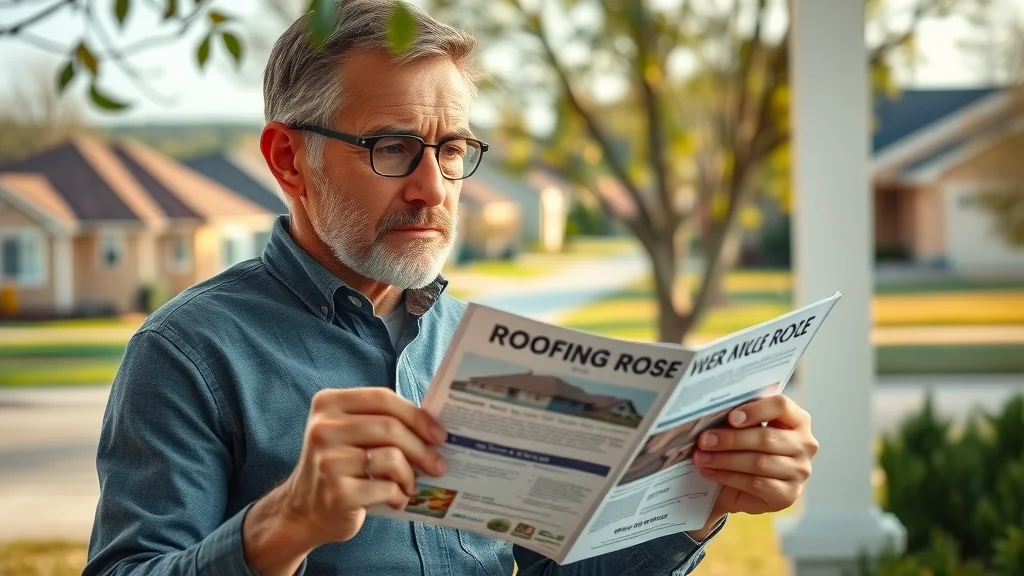
Understanding Roofing Brand Trust Erosion: Definition and Importance
Brand trust is the bedrock of successful roofing companies, yet so few contractors recognize how easily trust can erode in the eyes of a potential customer. Roofing brand trust erosion refers to the downward spiral of credibility, where small inconsistencies and mixed messages start to eat away at the reliable image a roofing business has cultivated. One minute, your local SEO is generating solid leads; the next, a few negative online reviews or a poorly managed campaign tarnish your reputation. As your brand credibility dips, the pipeline of quality prospects dries up, and you struggle against digital marketing noise, all while rivals swoop in with cheaper (often lower-quality) solutions. Understanding this phenomenon helps owners see that brand management is no longer optional—it’s essential to avoid a weak customer experience and a shrinking sales pipeline. The companies thriving in the modern roofing industry are those that have built proof, standardized communication, and recognized that every detail—from estimate templates to staff training—affects the customer journey from first impression to final payment.
What is Brand Value Erosion in Roofing Companies?
Brand value erosion in the roofing industry is the gradual, often unnoticed decline in how your company is viewed by prospective clients and the local market. Every roofing contractor invests in logos, uniforms, truck wraps, and digital marketing—yet, if the message sent out is inconsistent or confusing, the return on that investment is lost. Potential clients notice when your service promises, contact information, or social media presence shift over time. It sows doubt, suggesting that maybe your team isn’t as dependable as they hoped. Over months and years, these slippages result in fewer positive reviews, reduced referrals, and declining customer trust. The end result: higher price sensitivity in clients, dependency on volume leads rather than relationship-based work, and a weakened reputation that’s hard to restore. Brand value erosion is slow but relentless, and it makes or breaks long-term business growth in the competitive roofing sector.
The Role of Customer Trust and Brand Credibility in Your Roofing Company
For roofing companies, customer trust and brand credibility determine not just who wins a job today, but who stays relevant tomorrow. Every piece of proof—be it a five-star review, a professional photo gallery, or a case study—reassures the next potential customer that your company delivers as promised. The absence of these signals, or worse, their inconsistency, is a red flag that undermines every other marketing effort. Brand credibility isn’t about polished ads; it’s the lived experience that clients report online, the dependability of your service team, and the clarity of every message they receive. Roofing contractors who prioritize transparent communication, align their messaging across platforms, and provide proof at every step find it easier to command better price points, attract high-quality leads, and build real authority within their market. When brand credibility falters, no amount of marketing spend can substitute for lost trust.
"Trust takes years to build, seconds to break, and forever to repair—especially in the roofing business." - Valis Pro
The Psychology of Roofing Brand Trust Erosion Among Potential Customers
The way customers perceive your roofing business is shaped by every interaction and message. When they encounter mixed signals, doubt begins to take root. This is especially dangerous in the roofing industry, where jobs are high-value and choices are often made based on reputation. Buyer psychology shows that people crave consistency and clarity before making major purchase decisions. Inconsistent advertising, shifting guarantees, or mismatched web content all disrupt the customer journey, causing potential customers to question your expertise or honesty. Once that seed of mistrust is planted, it’s very hard to remove, no matter how skilled your team may be. Understanding this psychology is the first step for roofing contractors to regain control over their brand management, messaging, and proof.
Buyer Psychology: How Mixed Messaging Erodes Customer Trust
At the core of roofing brand trust erosion lies a fundamental misunderstanding of how potential clients process information. When a roofing company promises one thing in their ad and delivers another on the job site—or when reviews online paint a different picture from the polished image in marketing material—psychological friction builds. Prospective customers, eager to avoid regret, view mixed messages as warning signs of unreliability. This mental discomfort pushes them to double-check your claims, scrutinize your reviews, and, in many cases, move on to a competitor with an easier path to trust. Each inconsistency, even minor, compounds to form an invisible barrier that traditional sales methods can’t overcome. To build trust and retain authority, your brand must consistently provide proof, clarity, and reliable communication at every touchpoint along the customer journey.

Real-World Example: Brand Trust Failure in a Roofing Company
Consider the case of a mid-sized roofing company that dominated its local market for years, only to suffer rapid decline after a poorly managed rebranding. Their website promised 50-year warranties, but printed brochures listed only 20. Social media posts promoted premium shingles, while sales reps quoted lower-grade materials to hit aggressive targets. Confusing messages resulted in mixed online reviews and eroded the company’s once stellar online reputation. Trust collapsed; calls slowed, referrals vanished, and competitors gained ground. It took a deliberate, long-term authority campaign—including video testimonials, standardized estimate templates, and rigorous staff training—to rebuild trust and restore leads. This real-world scenario underscores the critical link between clear communication and ongoing business success in the roofing industry.
Identifying Mixed Messaging in Roofing Companies
Mixed messaging may seem subtle at first, but savvy roofing business owners can spot the signs with a sharp eye and regular review of brand materials. Inconsistent advertisements, shifting promises, irregular social proof, and clashing warranties all signal trouble ahead. If your digital marketing, truck wraps, or local SEO efforts aren’t telling the same story, you’re just adding confusion to the market noise. Owners who invest time in periodic audits—cross-checking social media, online reviews, website content, and team scripts—are best positioned to uncover gaps before customers notice them. Remember, brand management and reputation management aren’t one-time fixes; they require ongoing vigilance and adaptation as your business grows and the market evolves.
Warning Signs of Eroding Brand Credibility
Spotting the early stages of roofing brand trust erosion is much easier when you know the danger signs. For roofing business leaders, these indicators typically include:
Inconsistent advertisements
Varying prices or service promises
Irregular social proof and online reviews
Conflicting warranties and guarantees
Changing messaging on website and marketing materials
If even one of these is ignored, your brand credibility starts slipping. For instance, if your digital presence suggests elite roofing solutions but customer testimonials mention budget-only options, prospective clients quickly lose faith. Make it a habit to review every public-facing element—social media, job site signage, direct mail pieces—to ensure uniformity. Strong brand management helps keep your company’s voice clear and steady no matter how many channels you use.

The Cost of Roofing Brand Trust Erosion: Reputation, Leads, and Longevity
The price of ignoring roofing brand trust erosion goes far beyond slow weeks or a handful of negative reviews. It strikes at the very heart of your roofing business: fewer qualified leads, sharper price competition, and a decaying reputation that pushes you further into reliance on junk leads from platforms like Angi or HomeAdvisor. Online reputation, once strong, is battered by review decline and inconsistent customer experiences. Each lost lead represents lost revenue and another step away from a healthy digital marketing pipeline. The direct business consequences can be devastating—reduced authority, shrinking market share, and a constant battle against discount providers. Brand management that focuses only on aesthetics, and not on message consistency or proofs, risks long-term business viability in a competitive industry.
What is the Failure Rate of Roofing Companies?
The roofing industry is notorious for high failure rates among contractors. For most, the culprit isn’t technical skill, but reputation damage caused by roofing brand trust erosion. New businesses often rely too heavily on external lead providers, racing to the bottom on price instead of developing an authority-based reputation. As mixed messages spread, customer trust evaporates, reviews turn negative, and word of mouth dries up. Without swift intervention and a commitment to unified brand management and proof-driven authority marketing, many companies find themselves forced to close—regardless of their expertise or work quality. The lesson: only those who build trust relentlessly and double down on clarity, proof, and consistency survive for the long haul.
Roofing Business Consequences: Lost Opportunities and Shrinking Pipeline
For every unclear ad, dropped promise, or ignored review, roofing companies pay a hidden tax: high-quality leads disappear, marketing spend rises while results decline, and the business’s reputation within the local market deteriorates. Unlike a physical leak, the damage isn’t instantly visible. Instead, opportunity quietly slips away as past customers hesitate to refer you, and prospective clients turn elsewhere. Getting ahead demands proactive investment in proof—case studies, customer testimonials, detailed photo galleries—and making sure every team member delivers a consistent customer journey. In practical terms, this may require updating estimate forms, training staff in values-based language, or leveraging positive reviews more strategically on your website and social platforms. Exceptional roofing businesses prioritize long-term relationships and proof-driven brand management over short-term volume—turning customers into passionate advocates and keeping their sales pipeline full, no matter the season.
Impact of Trust Erosion on Roofing Companies & Roofing Business | ||
Consequence |
Short-Term Loss |
Long-Term Loss |
|---|---|---|
Lost Leads |
Yes |
Yes |
Damaged Reputation |
Yes |
Yes |
Price Competition |
Yes |
Yes |
Review Decline |
Possible |
Yes |
Expert Strategies: How Roofing Companies Can Build Trust and Brand Credibility
Turning the tide against roofing brand trust erosion starts with a commitment to expert-led strategies. The most successful roofing companies aren’t just skilled contractors—they are proactive brand managers, authority builders, and proof providers. They standardize communication, invest in content-driven digital marketing, and make customer experience the cornerstone of every job. For contractors still battling price competition, these strategies offer a clear path to higher-quality leads, reputation restoration, and long-term business growth. The sooner your business aligns brand management across every channel, the sooner you reclaim authority from noisy lead platforms and earn trust that lasts for decades.
Invest in Consistent Brand Management for Roofing Business Authority
Consistent brand management is the backbone of roofing business authority. Every advertisement, warranty statement, review response, and sales presentation must echo the same values, language, and proof. Start by developing standardized messaging templates for proposals, training staff in motivated, customer-first communication, and updating all digital materials regularly to reflect accurate offers and guarantees. Control the narrative around your roofing company reputation—don’t let third-party review sites or neglected channels define how you’re viewed. Monitor your brand’s online presence and respond to feedback with empathy and proof. Companies that treat brand management as an ongoing priority, not a one-and-done project, find that reputation, lead quality, and market authority all rise together.
Harness the Power of Social Proof: Reviews, Referrals, and Online Presence
Social proof is the most powerful trust-builder in the digital era. Today’s prospective clients rely on authentic reviews, recommendation posts, and shared job photos when choosing a roofing contractor. Encourage customer testimonials at the close of every job, spotlight success stories in your digital marketing, and develop a system for collecting and sharing video reviews. Protect and nurture your online reputation by responding to feedback (positive or negative) and using social media to reinforce consistent messaging. Your review pipeline isn’t just for show—it’s a living testimonial of your commitment to customer satisfaction and quality. Roofing companies that let proof do the talking command higher rates, outlast economic shocks, and build a resilient book of business in even the toughest local markets.
Practical Authority-Building Steps:
Standardize messaging templates
Control your review pipeline
Deliver on every promise made in marketing
Train staff on consistent communication
Use proof (video testimonials, job photo galleries, detailed case studies)
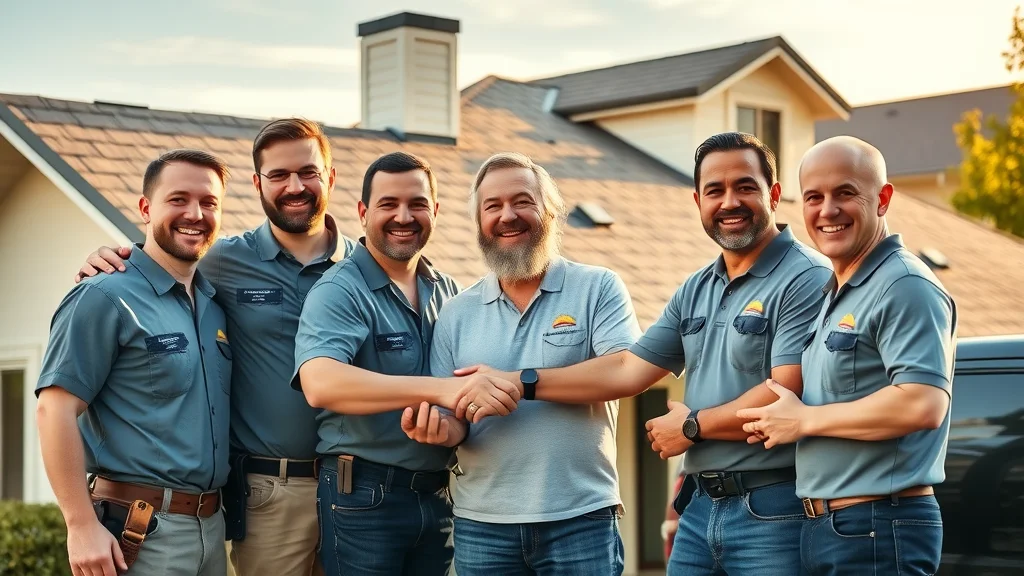
Real-Life Case Study: Roofing Brand Trust Erosion and Recovery
Nothing illustrates the risks and rewards of roofing brand trust erosion like a real-world case study. Many contractors have watched their pipeline dry up after a period of unclear messaging, only to rebuild after embracing authority-based marketing. This section traces that journey—from decline to recovery—offering practical lessons and inspiration for roofing business leaders ready to take control.
Before: Trust Lost Through Mixed Messaging
One prominent firm in the roofing business faced a sudden drop in inbound leads and a spike in negative online reviews. The culprit? Sales scripts promised next-day service, but the operations team ran on two-week backlogs. Warranty cards didn’t match website guarantees, and social media posts overstated services compared to brochure fine print. With each conflicting message, brand credibility suffered—and so did the company’s pipeline. The entire team felt the pain: frustrated clients, declining customer trust, and lost referrals. It was a wake-up call to realign both messaging and operations, starting from the ground up.
After: Rebuilding Brand Credibility and Customer Trust
Recovery began by auditing all customer-facing materials and retraining staff. Leadership standardized communications, updated every piece of marketing collateral, and launched a focused content campaign using video reviews, local SEO, and detailed before-and-after photos. Former critics were invited to share honest testimonials, and every digital channel was overhauled for clarity. Over time, brand credibility soared; satisfied homeowners began referring friends and family, and trust returned stronger than before. The company’s authority was now rooted in consistent, verifiable proof and a customer-first mindset—proving that even after erosion, trust can be fully restored through disciplined action and brand management.
"Own your proof, or be owned by the lie that price decides everything." - Valis Pro
Control Your Proof: Why Roofing Companies Must Own Their Story
In the age of aggregators, price shoppers, and online reviews, the only way for a roofing contractor to survive is to control your proof. Don’t rely exclusively on Angi, HomeAdvisor, or other outside sources for leads—these platforms turn your reputation into a commodity, forcing you to compete solely on price. Take ownership by developing a content-driven pipeline: document real jobs, collect video testimonials, and showcase clear, authentic proof of quality. Use your website, social media, and review channels to share this story consistently. Over time, companies that prove their value command better leads, win referrals, and eliminate the churn of poor-fit clients. Your brand story, expertly managed, is the best defense against trust erosion for the long term.
Content-Driven Pipeline vs. Junk Leads from Angi/HomeAdvisor
Many roofing companies get trapped in the quicksand of lead-buying platforms, chasing volume instead of value. This reliance erodes customer trust when prospects encounter mixed reviews or bait-and-switch messaging. By contrast, a content-driven pipeline puts your business in full control: you show, not just tell, your expertise, reliability, and commitment to local quality. Instead of junk leads, you attract well-informed clients eager for the specific solutions you offer. Sharpen your digital marketing, invest in high-quality case studies and reviews, and ensure that every public message is proof-backed—and watch as your authority, reputation, and ROI soar, even as price competition fades into the background.
Long-Term Gains: Authority, ROI, and Reduced Price Competition
Owning your proof pays dividends in every area that matters to roofing business owners: stable lead flow, stronger average ticket values, and insulation against economic downturns or aggressive discount competitors. When content and reputation management are built into your business DNA, your brand becomes synonymous with quality and trust. Not only does this attract better customers, it creates an enduring competitive advantage—allowing you to set the market’s standards, rather than chase its trends. The best companies weave proof into every business process, rewarding customers for testimonials, spotlighting great projects, and turning lasting relationships into the heart of their growth strategy.
People Also Ask: Addressing Questions on Roofing Brand Trust Erosion
What is brand value erosion?
Brand value erosion refers to the gradual loss of a company's reputation, customer trust, and perceived quality, often stemming from inconsistent messages or actions.
What is the erosion of consumer trust?
Erosion of consumer trust is when clients lose confidence in a roofing company due to unmet expectations, conflicting promises, or irregular communication.
What is the failure rate of roofing companies?
Roofing has one of the highest business failure rates, with many companies faltering due to brand trust erosion, poor lead quality, and reputation damage rather than technical inability.
What is an example of brand trust?
A consistent roofing brand that delivers on promises, showcases strong reviews, and maintains a clear message across all channels to build lasting customer loyalty.
FAQs on Roofing Brand Trust Erosion and Recovery
Why does mixed messaging happen in roofing companies?
How can roofing business owners monitor public trust?
What steps reinforce brand credibility fast?
What resources help standardize messaging for roofing business authority?
Key Takeaways: Protecting Your Roofing Brand from Trust Erosion
Clarity, consistency, and proof are the core pillars against roofing brand trust erosion.
Authority and content-driven marketing reduce price wars and attract quality clients.
Real-world impact: Companies that own their brand story thrive beyond the competition.
Next Steps: Take Control of Your Roofing Company’s Brand Credibility Today
Begin auditing your brand messaging now—because the longer your stories drift apart, the harder it is to rebuild trust in your roofing business.
In the roofing industry, maintaining consistent and transparent communication is crucial to building and preserving customer trust. Inconsistent messaging can lead to confusion and skepticism among clients, ultimately damaging a company’s reputation.
For instance, a study by ServiceTitan highlights that misleading customers through unclear contracts, hidden fees, or deceptive advertising can destroy trust and lead to a negative brand reputation. (servicetitan.com) Similarly, Brown Branches emphasizes the importance of engagement on social media, noting that ignoring customer interactions can make a company seem unapproachable and damage trust with both current and future clients. (brownbranches.com)
To mitigate these risks, roofing companies should focus on clear, consistent messaging across all platforms and actively engage with their audience to foster trust and credibility.

Write A Comment