 Add Row
  Add
Add 


Did you know more than 80% of homeowners research contractors online before making contact — yet most roofing companies lose high-value leads to simple web design mistakes long before the first call? Today, premium roofing leads expect much more than just a logo and phone number on your site. The real winners master authority marketing and clean, trustworthy web design. If you’re serious about attracting the right jobs and breaking free from the race to the bottom, this guide exposes the costly errors killing your pipeline and shows you exactly how to fix them.
What You’ll Learn About Roofing Website Design Mistakes and Authority Marketing
Understand the top 10 roofing website design mistakes sabotaging premium lead generation
Learn why these roofing website mistakes destroy trust with high-value clients
Discover critical local SEO and search engine factors for roofing contractors
Gain actionable strategies to fix each roofing website design mistake
Strengthen your business profile, reviews, and buyer psychology alignment
Position your roofing business for long-term visibility and authority
A Costly Truth: Most Roofing Contractors Lose Premium Leads from Website Design Mistakes
“Own your proof, or be owned by the lie that price decides everything.” – Valis Pro
Impact of roofing website design mistakes on high-ticket lead conversion: Sloppy, outdated, or confusing sites immediately repel homeowners willing to pay for quality. If your roof repair site frustrates or confuses, prospects click over to your competitors faster than you can say “HomeAdvisor.”
Why premium clients won’t trust sloppiness, slow load times, or thin content: High-value clients judge your roofing web presence as a reflection of your services. If your website design feels cheap or lacks substance, clients picture the same for your work.
How web design and local SEO intersect for roofing contractors: Google now considers user experience, trust signals, and local SEO when ranking roofing contractor websites. Get these wrong, and you’ll vanish from search results — replaced by contractors who take website design seriously.

Roofing Website Design Mistake #1: Ignoring Local SEO From the Start
How local SEO Drives Premium Roofing Leads
Critical setup steps: Google Business Profile, NAP consistency, local signals
Common roofing website SEO mistakes that hurt local visibility
Optimization checklist for roofing contractors
Ignoring local SEO is the #1 roofing website design mistake that keeps your business invisible in real local searches. From the start, you must claim and optimize your Google Business Profile, use consistent Name, Address, and Phone (NAP) details across all directories, and build strong local relevance through content and service area pages. Most roofing contractors overlook simple SEO mistakes like missing NAP details, duplicate Google profiles, or unclear service area pages. These oversights not only kill your search rankings but prevent qualified, high-paying clients from ever finding your roofing website. Fixing local SEO starts with auditing your entire online presence and aligning it with your true business profile. Add local project photos, encourage reviews, and make sure every page signals trust to both search engines and high-intent local buyers. Remember, if Google can’t verify and trust your roofing company, premium leads can’t either!
Roofing Website Design Mistake #2: Unclear Roofing Services and Value Proposition
Essential Elements for Roofing Web Pages That Convert
Plain language, strong value, and proof of expertise
Showcasing reputation, reviews, and business profile alignment
Real-world examples: Roofing contractors with clear messaging
Too often, roofing websites use confusing terms or neglect to explain the specific roofing services they offer. A visitor lands on your homepage and instantly wonders: “Do they do roof repair? Residential reroofing? Emergency storm damage?” Winning web design uses plain, direct language to explain exactly what you do—and what sets your roofing business apart. Don’t just list “services”—lead with a clear value proposition (“Expert roof repairs, done right the first time. Local, insured, and proven.”) Show actual before-and-after photos, real reviews, and proof of your business profile everywhere you describe your offerings. Premium prospects want to see you’re reputable and locally trusted, not just another generic contractor. The best roofing web pages feature clear service breakdowns, trust signals (like certifications), and a compelling “Why Us?” that speaks directly to the buyer’s concerns.

Roofing Website Design Mistake #3: Missing or Incomplete Contact Information
Why Contact Info and Trust Signals Matter for Roofing Companies
Required elements: address, phone, forms, business profile links
How missing contact details destroy trust and hurt user experience
Contact info best practices for roofing contractor websites
Another costly web design mistake is hiding or omitting your full contact information. If a potential customer lands on your site and can’t quickly find your phone number, physical address, or contact form, they’ll question your legitimacy—and move on. Every page should display easy-to-find contact info and include links to your Google Business Profile and review platforms. Incomplete contact details erode trust; to high-value clients, it signals a lack of transparency or even a fly-by-night operation. For best results, use clickable phone numbers (so mobile users can tap to call), fast-loading contact forms, and integrated maps for your service area. Add badges or links showing your licensing, insurance, and professional affiliations for extra authority. Remember, trust is won or lost in seconds. Make it effortless for homeowners to reach you or verify your credentials.
Roofing Website Design Mistake #4: Slow Load Times and Poor Mobile Experience
Page Speed Effects on Lead Quality and Bounce Rates for Roofing Contractors | ||
Page Speed |
Mobile Bounce Rate |
Lead Quality Impact |
|---|---|---|
1-3 seconds |
Low (20–30%) |
High-quality leads remain, better conversions |
4-6 seconds |
Medium (40–60%) |
Drop in high-value leads, impatience rises |
7+ seconds |
Very High (70%+) |
Premium clients abandon site, poor conversions |
Diagnosing and Fixing Slow Load Issues in Roofing Web Design
How slow load frustrates high-intent buyers
Mobile optimization essentials for roofing business sites
Tools to test and improve roofing website speed
If your roofing website is slow to load—especially on a mobile device—you’re hemorrhaging premium leads. Today’s buyers expect instant gratification; a slow load sends them straight to your competitors, inflating your bounce rate and killing your ROI. Top roofing contractors invest in fast, optimized designs that load under three seconds on all mobile devices and desktops. Use Google’s PageSpeed Insights, GTmetrix, or similar tools to spot and address problems. Shrink large images, limit unnecessary scripts, and use reliable hosting. Beyond speed, your site must look sharp and function flawlessly on every device. If your menus, contact forms, or service info get scrambled on phones, you’re signaling sloppiness to potential customers. Regularly test your web design on different devices and browsers to guarantee seamless performance and authority.

Roofing Website Design Mistake #5: Neglecting Trust-Building Content and Authority Signals
Build Trust and Authority With Every Roofing Web Page
Authority signals: badges, insurance, local awards, affiliations
Importance of reviews, testimonials, and before/after project photos
Expert insights on fostering trust through strategic content
Nothing sabotages a premium lead faster than a site with zero trust signals or outdated content. Leading roofing companies anchor every page with reviews, testimonials, before-and-after project photos, and proof of community involvement. Show your roofing business is licensed and insured by displaying badges, and spotlight local awards or industry affiliations for added authority. Modern roofing web design thrives on authenticity—don’t use fake testimonials or stock project photos. Share genuine stories, team bios, and details on your processes to build trust and authority. High-end clients want reassurance that they are hiring a true professional. Every element—from your About page to FAQs and galleries—should reinforce credibility in the eyes of both search engines and local homeowners.

Roofing Website Design Mistake #6: Confusing Navigation and User Experience
User Experience Principles for Roofing Contractor Websites
Clear menus, intuitive layouts, simple service paths
Common navigation errors seen in roofing web design
Mobile and desktop user experience (UX) strategies
Even the best-looking roofing web design fails if users can’t find what they need. Confusing navigation—like buried menus, vague service pages, or hidden contact info—frustrates both Google and high-value prospects. An authoritative site uses simple, logical paths: Home, Services, About, Reviews, Contact. Service subpages should be easy to access, each featuring relevant content and trust signals. Many roofing contractors get lost in flashy graphics or clutter, but clarity always wins. On mobile devices, ensure touch menus and CTAs are easy to tap. Use consistent icons, highlighted phone numbers, and prominent location details to guide the journey from landing page to quote request. Fixing navigation and user experience often leads to immediate gains in conversions, credibility, and SEO rankings—making this redesign step essential for any roofing company competing for premium leads.
Roofing Website Design Mistake #7: Weak or Missing Calls to Action
Driving Quality Leads With Effective CTAs
Examples of strategic call-to-action placement and language
CTA mistakes roofing contractors often make
How to create conversion-focused website design
If your roofing website doesn’t tell visitors explicitly what to do next, most will never contact you. Calls to action (CTAs) are the signposts guiding prospects from curiosity to commitment—“Request a Roof Inspection,” “Call for a Free Estimate,” or “See Our Project Gallery.” Many roofing contractors hide CTAs in footers or use weak, generic language. Place clear, brightly colored CTAs above the fold and repeat them in every major section. Make it easy to request a quote, call your phone number, or fill out your contact form—with as few clicks as possible. Conversion-focused web design invites action at every turn, rather than assuming buyers will make the effort. Test your CTA wording, button colors, and placement to maximize quality lead flow for your roofing business.
Roofing Website Design Mistake #8: Thin, Generic, or Duplicate Content
How Content Depth Drives Roofing Web Authority and SEO
Common duplicate content issues in roofing industry
The dangers of 'template' content for roofing companies
Strategies for building original, high-value web content
Slapping generic, templated text on your roofing website destroys both your search engine visibility and credibility. Many roofing contractors make the mistake of copying content from competitors, manufacturers, or generic marketing packages—resulting in duplicate content penalties and zero differentiation. “Thin” pages (just 1–2 sentences per service) signal to both Google and discerning homeowners that you’re not an authority. Instead, invest in original, detailed web content for every location and service. Share unique project stories, answer common homeowner questions, and add visual proof. Regular blog posts, FAQs, and project showcases help your site rank for valuable local searches and attract premium clients who care about value and expertise—not just the lowest price. Avoid seo mistakes by keeping your content fresh, substantial, and unmistakably yours!

Roofing Website Design Mistake #9: Failing to Showcase Proof and Case Studies
Showcasing Results to Attract Premium Roofing Clients
Types of proof: project photos, awards, reviews, video testimonials
How proof aligns with high-end buyer psychology
Best presentation formats for trust-building content
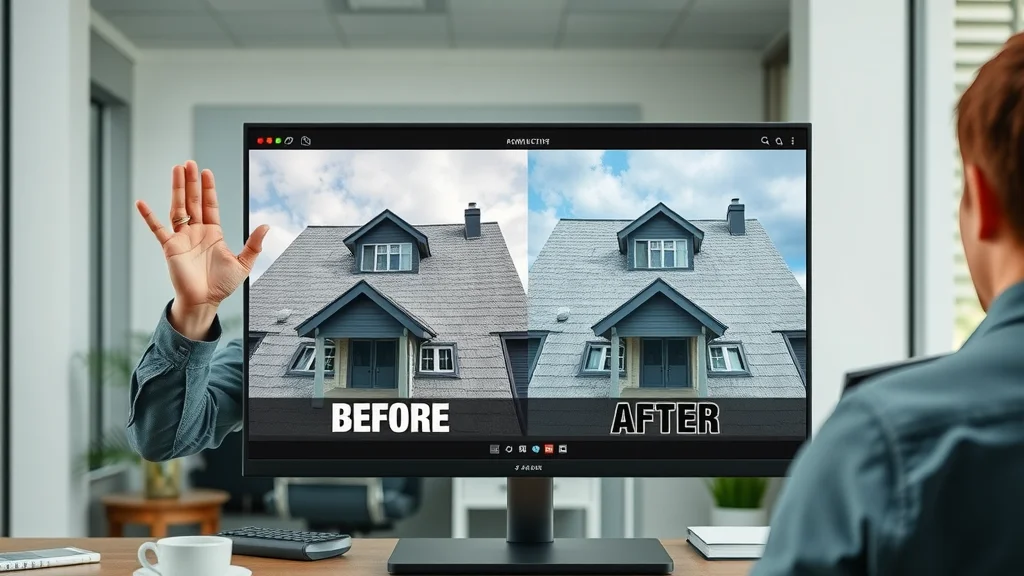
Nothing is more persuasive to a premium lead than real-world proof you actually deliver on your promises. Top roofing companies feature case studies, detailed before-and-after galleries, five-star reviews, and even video testimonials prominently on their site. This isn’t just for show—it aligns with high-end buyer psychology, giving them confidence to choose your roofing business over the competition. Use visual slideshows, customer quotes, and organized project pages to reinforce your authority. Video walkthroughs, interactive project maps, and downloadable case studies all set you apart from “template” competitors. The best roofing web design makes it impossible to doubt your expertise. Showcase diverse work, handle objections through client stories, and keep proof current to build long-term trust in all search engines and buyer channels.
Roofing Website Design Mistake #10: Ignoring Ongoing SEO and Authority Optimization
Why Authority Grows With Consistent Search Engine Optimization Efforts
Regular updates: reviews, blogs, project showcases
How to monitor SEO mistakes and maintain search engine relevance
Authority-building content strategy for every roofing contractor
Your roofing website isn’t “one and done.” Ongoing search engine optimization is essential for maintaining authority, visibility, and high-value lead flow. Leading roofing contractors update their sites with new blog posts, customer reviews, project photos, and local news regularly—signals that both homeowners and Google love. Audit your site every few months to catch new seo mistakes, update your business profile, and adjust content to match changing homeowner questions. Leverage Google Business Profile posts, fresh testimonials, and monthly portfolio updates to stay current in search rankings. The contractors who own their proof and grow their authority investments are the ones breaking free from price wars and filling their pipeline with top-tier clients—year after year.
Top 10 Roofing Website Design Mistakes: Quick Reference Checklist | ||
# |
Mistake |
Quick Fix |
|---|---|---|
1 |
Ignoring local SEO |
Claim & optimize GBP, align NAP, add local content |
2 |
Unclear services/value proposition |
Clarify services, add proof, update headlines |
3 |
Missing contact info |
Add phone, address, forms to every page |
4 |
Slow load, poor mobile UX |
Compress images, boost hosting, fix mobile menus |
5 |
Lack of trust/authority signals |
Add badges, reviews, awards, photo galleries |
6 |
Confusing navigation |
Simplify menus, clarify services, test UX |
7 |
Weak/missing CTAs |
Use action buttons, invite quotes, repeat CTAs |
8 |
Thin/duplicate content |
Write original, in-depth service and location pages |
9 |
Not showcasing proof |
Add case studies, before-afters, client videos |
10 |
No ongoing SEO/authority updates |
Update blogs, reviews, projects bi-monthly |
People Also Ask: Roofing Website Design Mistakes and Best Practices
What makes a poorly designed website?
Key elements of poor roofing website design: clutter, unclear CTAs, no trust signals, slow load
Examples of roofing contractor sites with design issues
A poorly designed roofing website typically features cluttered layouts, confusing navigation, slow load times, and a lack of clear calls-to-action (CTAs). When contact info is missing or trust signals like reviews and badges are absent, potential customers lose confidence fast. Sites with outdated designs, conflicting colors, or excessive pop-ups frustrate visitors—causing them to bounce before engaging. Many roofing companies make these design mistakes, resulting in lost leads and diminished authority. Review your own site for messy pages, tiny text, or hard-to-find service information, and use the checklist above to immediately improve your online presence.
What is the 3 second rule in web design?
Explanation of the 3 second rule in roofing website context
How roofing companies lose leads by violating this rule
The “3 second rule” in web design means your site must communicate who you are, what you offer, and how to act next—within the first three seconds of a visitor arriving. For roofing contractors, failing this rule means buyers quickly leave, rarely to return. If your value prop isn’t front and center or your site is slow to load, premium leads will assume you waste their time—and you’ll lose business to more focused competitors. Prioritizing fast load times and immediate clarity earns you more calls, more trust, and better-quality inquiries.
What is the biggest problem roofers face?
Analysis of price competition, low-quality leads, and marketing confusion
How roofing website design mistakes compound these issues
The biggest problems roofers face are cutthroat price competition, a flood of low-quality leads, and the confusion caused by unreliable or ineffective marketing strategies. Bad roofing website design mistakes amplify these frustrations by making it impossible to attract, qualify, or convert the kinds of clients you actually want. A strong, authority-driven online presence is now essential to break free from lowballers and build a sustainable pipeline—everything starts with your website’s clarity, trust, and ongoing SEO investments.
What is one of the top mistakes to avoid with your website?
The danger of neglecting authority and social proof in roofing web design
One of the most damaging mistakes is failing to build authority and provide social proof throughout your site. Without visible testimonials, certifications, and real project examples, you’re just another anonymous option—forcing leads to focus on price alone. Prioritize authority signals and active proof across every page to stand out among roofing contractors in your area and attract premium buyers who care about quality and reputation, not just cost.
Authority Marketing Action Steps for Roofing Contractors
Audit your current roofing website using the above checklist
Fix one roofing website design mistake at a time
Develop ongoing local SEO and content-driven authority strategy
Claim and optimize your Google Business Profile
“Buyers don’t care who’s cheapest; they care who proves they’ll do it right.” – Valis Pro
Frequently Asked Questions About Roofing Website Design Mistakes
How often should I update my roofing website content?
For best results, update core content, reviews, and project photos at least once a quarter. Blogs and FAQs should be refreshed monthly to show ongoing activity to both clients and search engines.What are the top web design mistakes for local roofing companies?
The most common are: ignoring local SEO, hiding or omitting contact info, slow mobile speed, thin or duplicate content, missing authority signals, weak CTAs, and not regularly showcasing proof of results.How do roofing contractors use content to build authority?
Authority comes from original, in-depth content that addresses client questions, showcases real projects, and features current reviews or testimonials. This establishes trust and sets you apart from less reputable competitors.What role do reviews play in roofing website design?
Reviews are the backbone of your online reputation. High-ROI websites feature recent reviews on main pages, link to profiles like Google Business, and invite happy clients to share their experience visually with photos or video.Is hiring a website design expert worth it for roofing contractors?
Yes—an expert understands authority marketing, SEO, and user psychology in your niche. They’ll help you avoid costliest SEO mistakes, build trust, and convert more high-quality leads from your roofing website investment.
Key Takeaways: Roofing Website Design Mistakes and Your Path to Authority
Even small roofing website design mistakes can cost you premium clients
Strong local SEO, clear trust signals, and proof are required for high ROI
Authority marketing separates elite roofing contractors from the rest
Elevate Your Roofing Website: Get Expert Guidance from Valis Pro
Ready to stop losing premium jobs to web design mistakes? Schedule a no-pressure website audit with Valis Pro and let us help you own your proof—so you dominate local search and win high-value clients on your own terms.
To further enhance your understanding of effective roofing website design, consider exploring the following resources: “Roofing Website Design Guide: What Makes a High-Converting Site?” (clickysoft.com) This guide delves into common design and user experience issues that can hinder roofing websites, offering practical solutions to improve site performance and lead conversion. “5 Rookie Mistakes in Roofing Website Design—and How to Avoid Them” (digitalboltwebdesign.com) This article highlights frequent pitfalls in roofing website design, such as neglecting mobile users and slow load times, and provides actionable advice to rectify these issues. By reviewing these resources, you’ll gain valuable insights into optimizing your roofing website to attract and convert premium clients effectively.

Write A Comment